
Get tokenized engagement right
Before launching a token program, you need to align the economic mechanics with genuine user behavior. Tokenized engagement is not a marketing tactic; it is a structural redesign of how value moves between the platform and the user. If the utility does not feel immediate, the token becomes a speculative burden rather than a loyalty tool.
Start by defining the specific action you want to reward. Research shows that simple nudges about earning points can significantly increase sharing willingness, but only if the reward is tied to meaningful interactions. Avoid rewarding low-effort clicks. Instead, focus on actions that demonstrate sustained interest or community contribution. This clarity prevents "token fatigue," where users drop off because the effort-to-reward ratio feels unbalanced.
Next, verify the technical infrastructure. Ensure your smart contracts can handle the expected volume of micro-transactions without excessive gas fees. If the cost to claim a reward exceeds its value, the system fails. Test the user flow with a small group to identify friction points. A smooth experience builds trust faster than a complex tokenomics whitepaper ever could.
Finally, establish clear boundaries for token distribution. Decide if tokens are transferable, stakable, or purely utilitarian. Each choice impacts liquidity and user retention differently. Keep the rules transparent and accessible. When users understand how to earn and use their tokens, engagement becomes sustainable rather than temporary.
Work through the steps
Tokenized engagement transforms passive users into active stakeholders by linking participation to tangible digital assets. When executed correctly, this mechanism validates community ideas early and builds trust faster than traditional loyalty programs. The process requires careful architectural planning to ensure the tokens provide real utility rather than just speculative value.
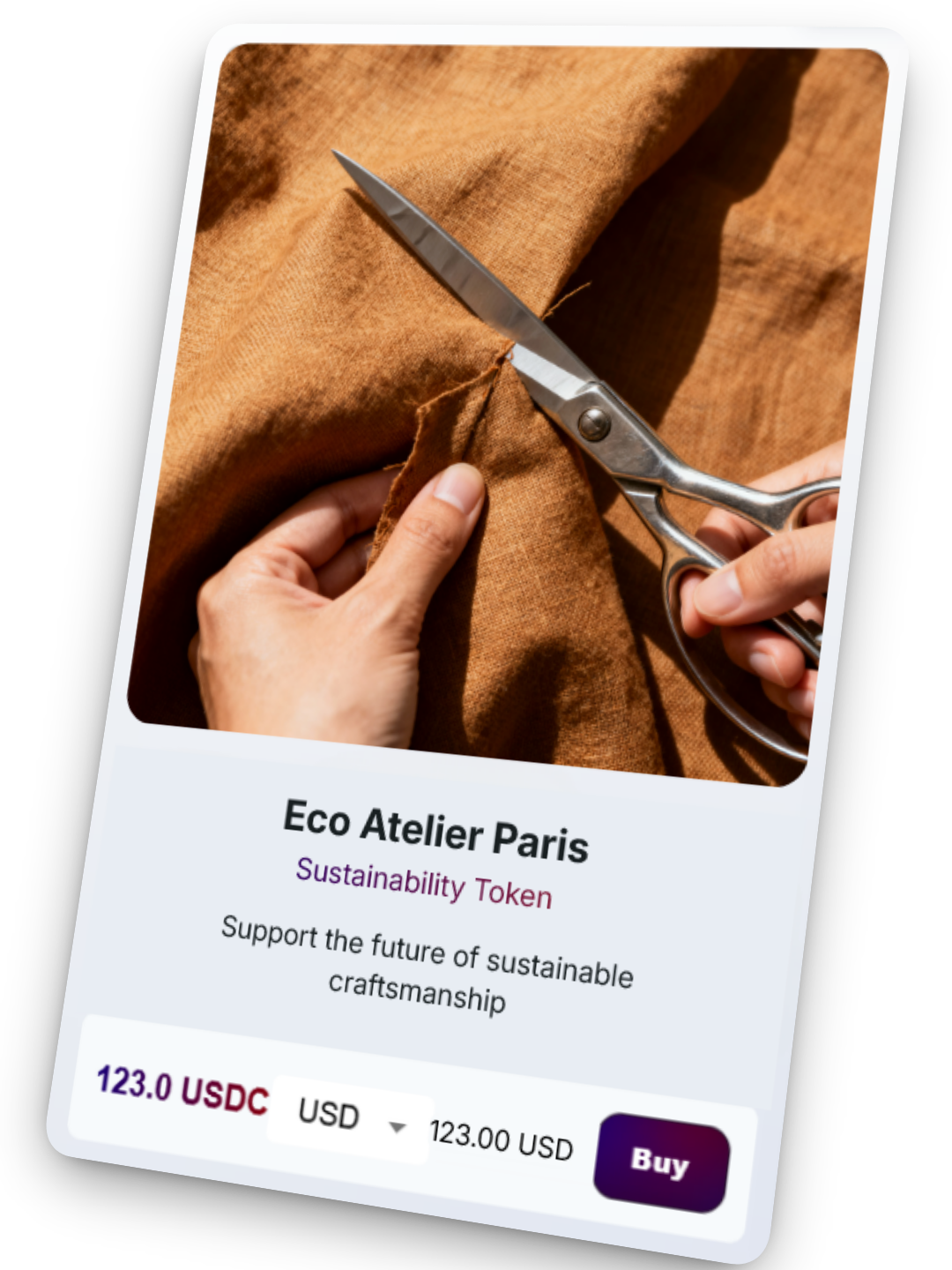
Before writing any code, map out exactly what actions earn tokens. Research shows that simple nudges about earning points for engagement significantly increase sharing willingness. Determine whether tokens serve as governance votes, access keys, or reward multipliers. Avoid vague rewards; specificity drives participation. If a user cannot explain why a token is valuable, the engagement loop will fail.

Choose a blockchain that balances cost, speed, and user familiarity. For high-frequency micro-engagements, layer-2 solutions or app-specific chains often reduce friction compared to mainnet Ethereum. Ensure the token standard (ERC-20, ERC-721, or ERC-1155) aligns with your utility model. Non-fungible tokens work best for unique achievements, while fungible tokens suit volume-based rewards.
Build a reliable backend to verify user actions before minting or crediting tokens. This requires integrating on-chain data with off-chain events. Use oracles or server-side verification to prevent fraud. The system must handle edge cases like duplicate submissions or bot activity. If the tracking is flawed, the token economy collapses under inflation or unfair distribution.
Release the token program with clear communication about rules and rewards. Monitor key metrics like daily active users, token velocity, and retention rates. Adjust the reward structure based on real-world data. If engagement drops, analyze whether the utility is still relevant or if the rewards are too difficult to achieve. Continuous iteration is essential for long-term success.
-
Define specific user actions that trigger token rewards
-
Choose a blockchain with low transaction fees for frequent interactions
-
Build fraud-resistant tracking infrastructure for off-chain events
-
Establish clear token utility beyond speculation
-
Set up monitoring for token velocity and user retention
Fix common mistakes
2026 guide: How Tokenized Engagement is Redefining User Loyalty and Web3 Monetization troubleshooting should start with a clear boundary: what is actually broken, and what still works normally. Check the display, network connection, paired devices, app access, and recent updates before assuming the whole system needs a reset. A small connection failure can make the main screen feel unreliable even when the core system is fine. Work from low-risk checks to deeper resets. Confirm power state, safe parking, account access, and signal first. Then restart the interface, wait for it to reload completely, and test the original symptom. Avoid changing multiple settings at once because that makes it harder to know which step actually fixed the problem. If the issue affects safety information, repeats after every restart, or appears with warning messages, treat the reset as a temporary diagnostic step rather than the final fix. Document the symptom and move to official support instead of stacking more DIY attempts.
The simplest way to use this section is to keep the setup small, verify each change, and record the stable configuration before adding optional accessories.
Tokenized engagement: what to check next
Before launching a tokenized loyalty program, address the two most common points of confusion: the technical definition of engagement and the ethical distinction between inclusion and tokenism. These questions clarify how the system works and why it matters for long-term trust.
No comments yet. Be the first to share your thoughts!