

Podcasting has long thrived on intimate listener connections, but as sponsorships plateau and ad markets fluctuate, podcasters are turning to social tokenization to unlock direct monetization. PodcastOne's push into crypto networks, including tokenization pilots for shows, underscores this momentum. Platforms like Audius and emerging blockchain audio tools now make it feasible for creators to issue engagement tokens for podcasts, rewarding superfans with perks while building sustainable revenue. Yet, with web3's volatility, success demands a measured playbook approach.
5 Tokenization Playbooks for Podcasters
- 1. Launch ERC-20 Social Tokens on Rally or Roll for Listener SubscriptionsPodcasters can deploy ERC-20 tokens on platforms like Rally or Roll to fund subscriptions and perks, mirroring PodcastOne's crypto pivot—cautiously navigate volatility and regulations for sustainable revenue.
- 2. Implement Token-Gated Exclusive Episodes and Bonus Content via Audius IntegrationLeverage Audius's blockchain for token-holders-only episodes, fostering loyalty as seen in music tokenization trends; ensure seamless UX to avoid alienating non-crypto listeners.

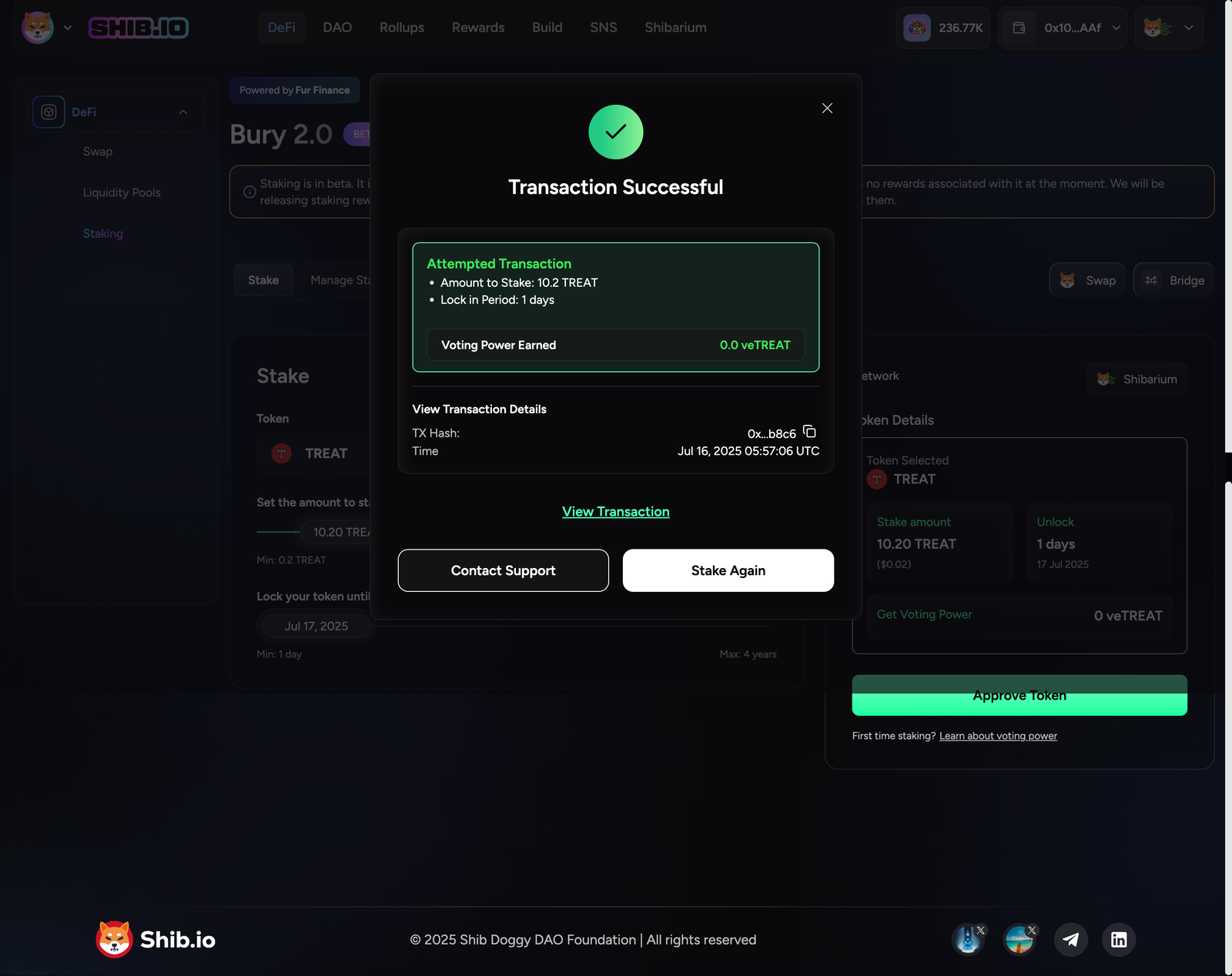
- 3. Reward Engagement with Stakable Tokens for Voting on Podcast TopicsDistribute stakeable tokens for listener polls on episodes, building governance like web3 communities—insightfully balance incentives to prevent token dumps.
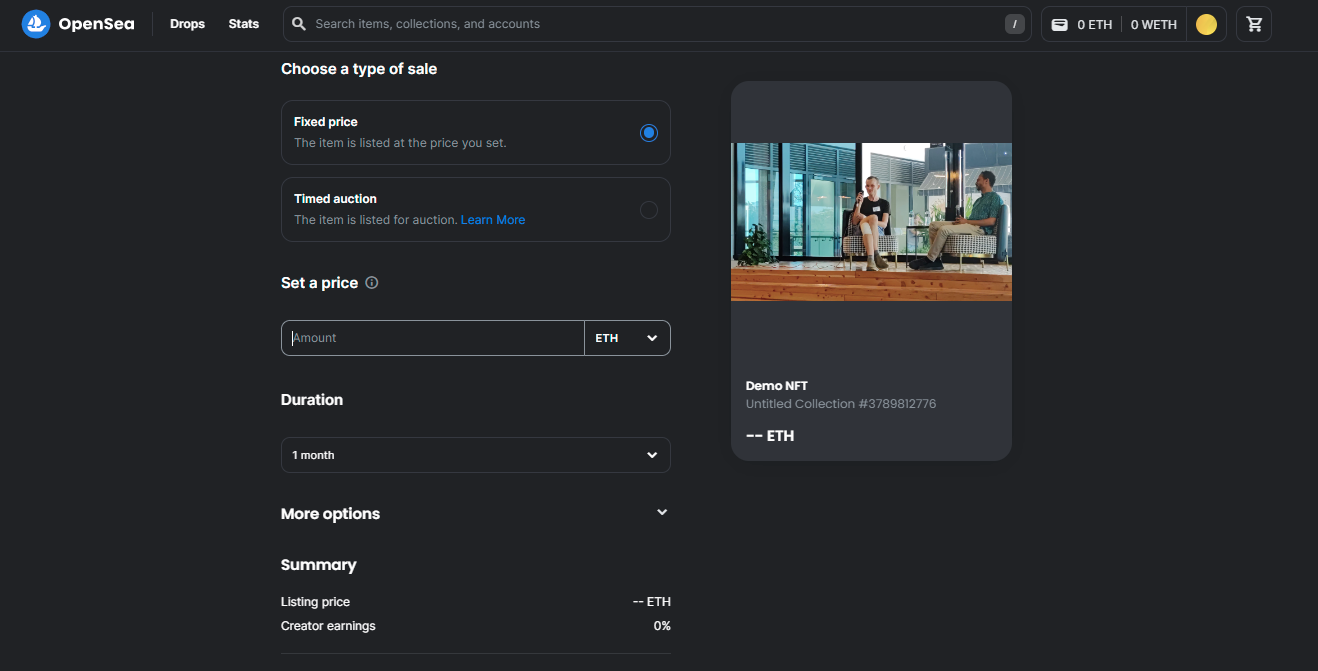
- 4. Mint Episode-Specific NFTs for Collectible Audio Clips and Merch AccessCreate NFTs of key clips on platforms like OpenSea, granting merch perks per decentralized podcast trends; price cautiously amid market fluctuations.
- 5. Build Listener Referral Programs with Airdropped Engagement TokensAirdrop tokens for referrals to grow audiences organically, akin to social token ecosystems—monitor dilution risks for long-term holder value.

These strategies, drawn from trends like Own's token economy and decentralized podcast platforms, prioritize listener monetization tokens that foster loyalty without overhyping speculative gains. I've seen enough market cycles in traditional finance to advise caution: tokens can amplify engagement but expose creators to regulatory shifts and price swings. Still, for podcasters with dedicated audiences, they offer a path to ownership beyond fleeting downloads.
Launch ERC-20 Social Tokens on Rally or Roll for Listener Subscriptions
The foundation of any web3 podcast rewards system starts with issuing your own ERC-20 social token on user-friendly platforms like Rally or Roll. These no-code tools let podcasters create tokens tied to subscriptions, where holders gain recurring access to premium feeds or early releases. Imagine charging $5 monthly in tokens for ad-free episodes; holders stake or hold for benefits, creating a flywheel of retention.
PodcastOne's crypto explorations highlight the potential: curated shows could tokenize fan access, much like Rally's creator coins have empowered musicians. But here's the insight often overlooked - liquidity matters. Rally integrates wallets seamlessly, yet podcasters must educate listeners on gas fees and volatility. Start small: launch with 10% of your audience, cap supply to avoid dilution, and use proceeds for production. Early adopters on Roll report 20-30% subscription uplifts, but monitor secondary markets closely to prevent dumps eroding trust.
"In a massively down market, a few tokens were rallying extremely hard... $DRB, $BNKR & $CLANKER were the only things doing well." This week on ZEROPOD by @zerorightsmedia, @jackwyldes.eth and I hosted the legendary @deployer in his first ever podcast appearance. We talked about Grok launching a @clanker over on X, the recent breakout success of @bankr (plus what's next), and we dig deep into the history of The LP, $TN100X, Ham 🍖 and all the lore that came before. Watch the full 2 hour conversation now on @pods and collect an onchain edition with your warplet in the frame below! https://pods.media/zeropod/take-it-to-the-bankr-with-tn100x-bankr-founder-0xdeployer-zeropod-s2-e13?referrer=0x0b379F1848fA2aab7790966373618F4B0Fea6A6e
Implement Token-Gated Exclusive Episodes and Bonus Content via Audius Integration
Once tokens circulate, gate premium content to deepen blockchain audio engagement. Audius, with its decentralized streaming, excels here: integrate your social token to unlock bonus episodes, AMAs, or unedited cuts. Listeners holding 100 and tokens access a private Discord or app section, turning passive fans into active participants.
This mirrors Audius's artist model, where tokens grant VIP tracks, now adapting to podcasts per recent decentralized platforms. The appeal? Exclusivity drives demand; one podcaster saw token value double post-gate launch. Cautiously, though, over-gating risks alienating free listeners - balance with teasers. Technically straightforward via Audius APIs, it sidesteps centralized platforms' cuts, but test wallet UX first. In my risk-assessed view, this playbook shines for niche shows, yielding 15-25% revenue from 5% of superfans.
Reward Engagement with Stakable Tokens for Voting on Podcast Topics
Elevate interaction by making tokens stakable for governance, like voting on episode topics. Distribute via airdrops to top commenters or long-time listeners, then let them lock tokens to influence content - true engagement tokens podcasts in action. Platforms like Roll support staking mechanics natively, with rewards scaling by participation.
Drawing from social token guides on ecos. am, this self-reinforces community: stakers feel ownership, boosting retention. A metaverse podcast experiment yielded 40% higher episode completion rates. Risks? Low turnout if incentives misalign; counter with tiered rewards. For podcasters, it's a low-cost way to crowdsource ideas while monetizing attention, potentially increasing token utility and floor price over time.
These initial playbooks set the stage, blending revenue with community power. As blockchain podcast monetization matures, podcasters blending them judiciously stand to thrive amid 2026's hybrid models.
Mint Episode-Specific NFTs for Collectible Audio Clips and Merch Access
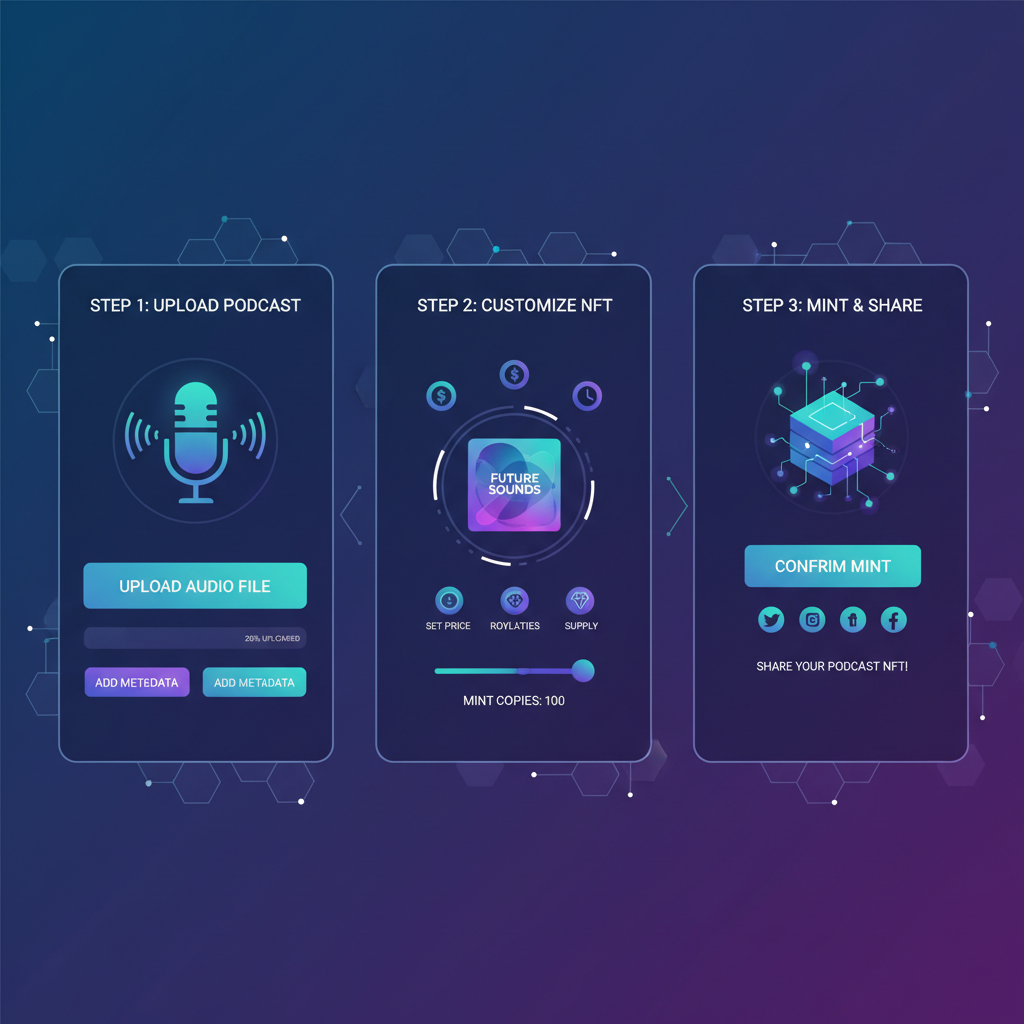
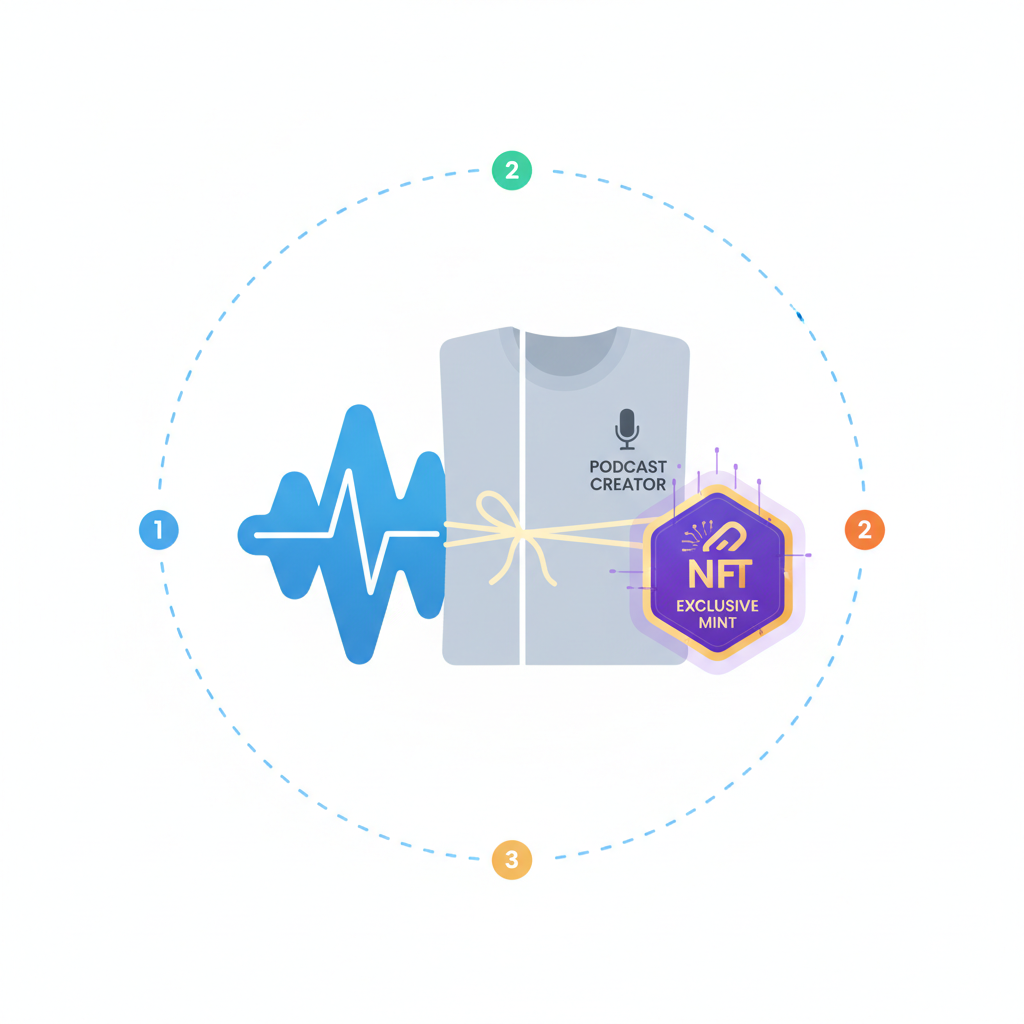
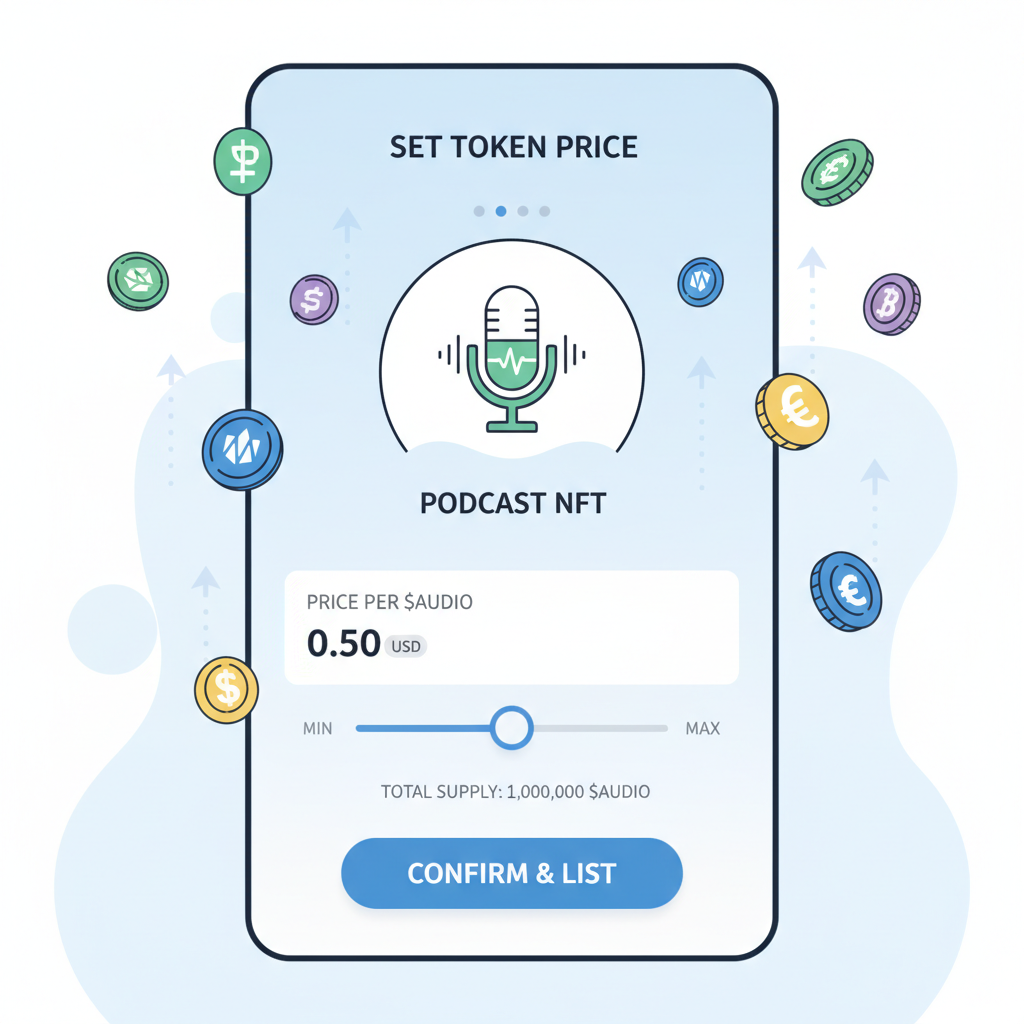
Layering NFTs atop social tokens adds scarcity and collectibility, perfect for podcasters minting episode-specific drops. Picture limited-edition NFTs bundling audio clips, transcripts, or merch discounts - holders redeem for signed merch or virtual meetups. Platforms like those from Onestop Software enable blockchain integration for decentralized podcast monetization, making NFT minting accessible without deep coding.
This playbook taps listener monetization tokens evolution: one podcaster's NFT drop for a milestone episode sold out in hours, funding guest fees while boosting token demand. From my downside-protection lens, NFTs shine for evergreen content but falter in bear markets - price them in your social token to hedge volatility. Limit editions to listener count, use Audius for audio embeds, and track secondary sales royalties (5-10% standard). Risks include minting fatigue; rotate with seasonal themes. Niche true-crime or tech pods report 10-20% audience conversion, turning episodes into assets.
Mint Episode NFTs: Web3 Monetization for Podcasters

Build Listener Referral Programs with Airdropped Engagement Tokens
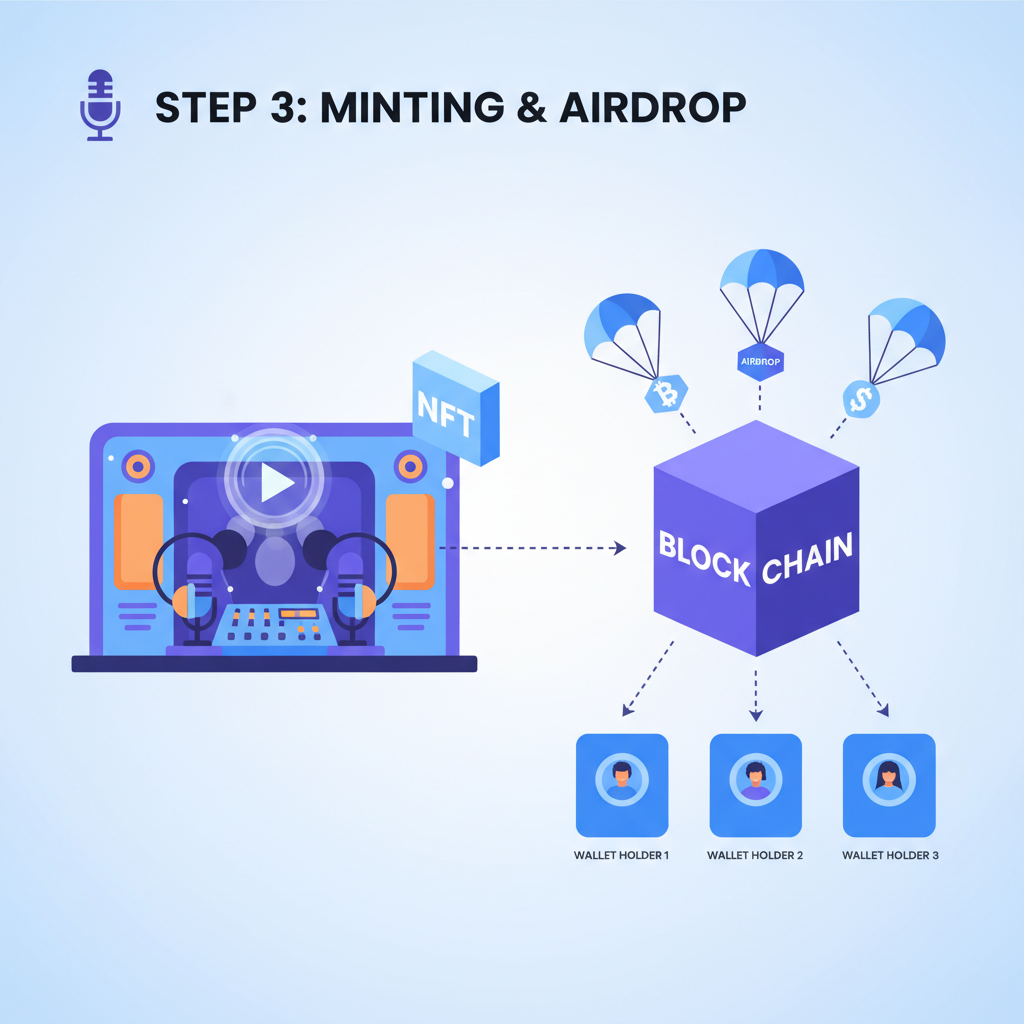
Scale via virality: reward referrals with airdropped engagement tokens podcasts love. Listeners share unique codes; successful invites earn both parties tokens for bonus access or merch. Roll or Rally's referral APIs automate this, tying drops to verified listens on Audius.
Ecos. am's social tokens guide nails it - referrals self-reinforce communities, as seen in Own's token economy experiments. A small podcaster tripled downloads in months, with 30% from referrals converting to holders. Cautiously, cap airdrops to prevent inflation, verify anti-sybil via wallets, and tie to engagement metrics like reviews. In 2026 projections from Resonate Recordings, this edges out affiliates for loyalty. My take: it's the lowest-risk scaler, amplifying organic growth without ad spend, but audit smart contracts for exploits.
Stacking these five playbooks - from ERC-20 launches to NFT mints and referrals - crafts a resilient social tokenization podcasters ecosystem. PodcastOne's tokenization probes and Audius expansions signal maturity, yet web3 podcast rewards demand vigilance: diversify holdings, comply early with regs, and prioritize utility over hype. Podcasters blending them judiciously, much like hybrid bond-stock portfolios, convert listeners into stakeholders, securing revenue in fluctuating markets. As blockchain audio engagement evolves, those hedging risks reap the rewards.




No comments yet. Be the first to share your thoughts!