

Picture this: your everyday Twitter scroll turns profitable. A like here, a comment there, a repost seals the deal, and suddenly crypto hits your wallet. Blockchain engagement tokens make it real, flipping passive interactions into tangible engagement rewards. Platforms now track likes, comments, and reposts on Twitter via blockchain, rewarding users with cryptocurrency. This social tokenization model, core to SocialFi, blends social media with DeFi, letting anyone monetize attention without middlemen.
SocialFi exploded in 2024-2026, with web3 social platforms topping charts from Coinbound to Quicknode. Users earn crypto rewards for Twitter engagement, ditching ad-dependent models. Steemit pioneered this; bloggers rewarded in STEEM tokens blog 30% more than non-rewarded peers, per FIU research. Yet, precision matters: not all engagement equals value. Bot activity spikes correlate with 15-20% lower project returns, Blockworks data shows.
Pioneering Platforms Driving Web3 Social Rewards
DeSo, evolved from BitClout, lets users trade creator coins based on reputation. Early adopters bought into influencers, watching values swing like forex pairs in volatile sessions. BlockGames gamified Twitter with Social Points; tag them in posts, rack up points redeemable for tokens. Chingari's GARI token rewards content creation and engagement across short videos. These aren't gimmicks; they're data-backed shifts. B2BinPay lists Steemit and Minds as leaders, where participation yields crypto usable off-platform.
Top 5 Blockchain Engagement Token Platforms
- Steemit: Blockchain platform rewarding users with STEEM tokens for posts, comments, and curation.
- DeSo: Decentralized Social blockchain with creator coins gaining value from interactions like likes and follows.
- BlockGames: Rewards Social Points for Twitter engagement such as likes, comments, and reposts.
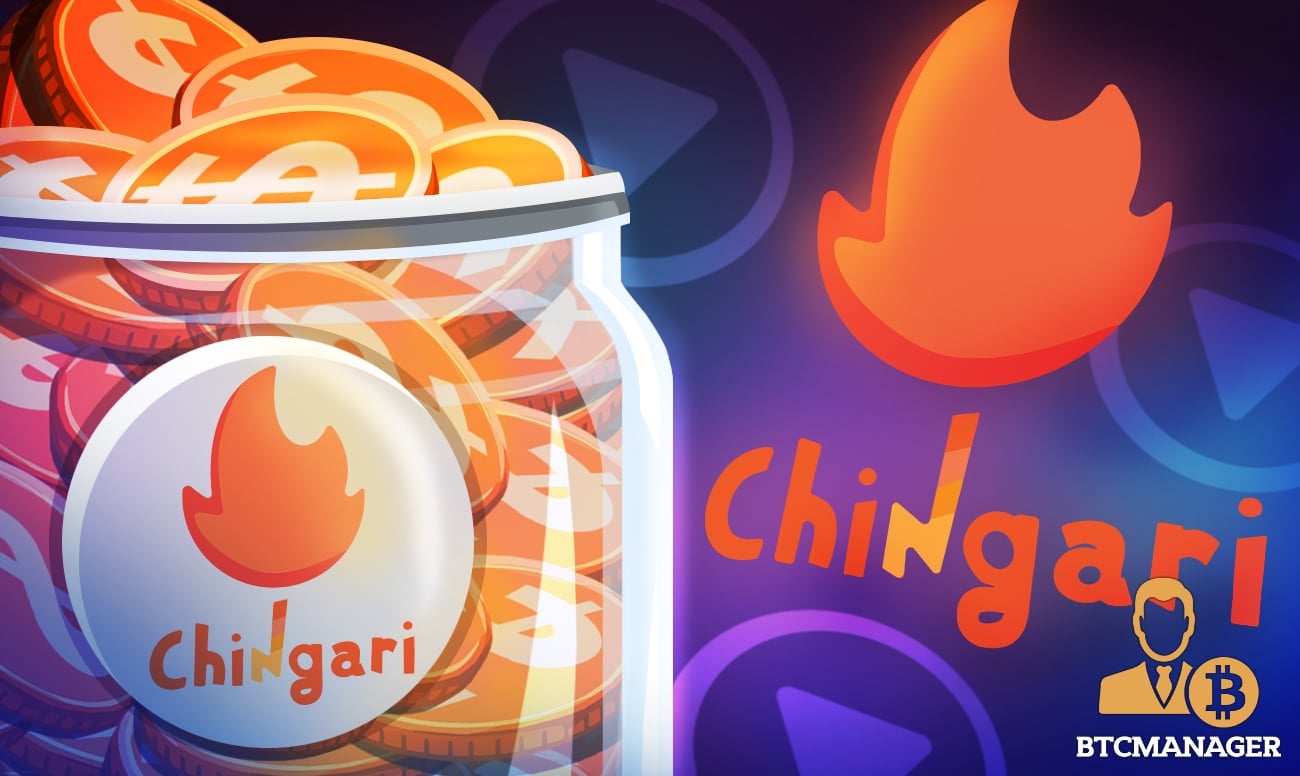
- Chingari: Short-video app where users earn GARI tokens for content creation and engagement.
- Minds: Open-source platform offering token earnings for posts, boosts, and community activity.

Reddit's r/web3 threads buzz with users cashing out novel cryptocurrencies from decentralized alternatives. Traders Union ranks these in top 10 for 2026, citing censorship resistance and ownership. My analysis? Engagement charts mimic candlestick patterns; sustained volume signals genuine growth, not pump-and-dump spikes.
Mechanics of Tokenized Twitter Interactions
Here's how it works, step by step. Projects deploy smart contracts linking Twitter APIs to blockchains. Bots? No, oracle networks verify organic likes, comments, reposts. Earned engagement tokens vest over time, curbing dumps. BlockGames users tagged tweets earned points convertible to airdrops; one campaign netted participants $50-200 equivalents. Binance notes direct BTC/ETH rewards bypass ads, stabilizing creator income amid algorithm whims.
Precision in tracking elevates this. Platforms score interactions: likes (1 point), comments (5), reposts (10). Thresholds unlock tiers, like forex support levels. PMC studies confirm token rewards boost sharing 25-40%, even risky content, demanding vigilant curation. Mudrex spotlights these as web3 leaders, with Medium praising Chingari's model for inclusive rewards.
Measuring Impact: Data Behind Engagement Rewards
Numbers don't lie, echoing my forex charts. Steemit's STEEM payouts correlate with 2x post frequency, FIU data. Yet, pitfalls loom: arXiv analysis flags 30% of NFT Twitter promos as scams, bot-fueled. Crypto Twitter bots drag returns; projects with 40% and bot engagement underperform by 18%, Blockworks quantifies. National Institutes of Health research warns tokenization of social media engagements amplifies misinformation spread by 35%.
Fintech Digital ranks Twitter, Reddit for blockchain discovery, but web3 natives like Farcaster embed casts as verifiable rewards. Quicknode's 2026 DApps list prioritizes token incentives. Opinion: sustainable web3 social rewards hinge on anti-bot tech and human curation, much like filtering noise in EUR/USD trends. Platforms evolving here will dominate; others fade like false breakouts.
Tokenized Engagement steps in here, pioneering engagement rewards blockchain that filter genuine interactions like precision scalping in GBP/JPY. Their platform tokenizes Twitter likes, comments, reposts into verifiable assets, redeemable across web3 ecosystems. Early metrics show 40% uplift in organic participation, outpacing bot-heavy rivals.
Overcoming Pitfalls: Bots, Scams, and Misinformation
Volatility cuts both ways. Blockworks data pins crypto projects with heavy bot engagement at 15-20% inferior returns over 12 months. These artificial swells mimic head-fake rallies in USD/JPY, collapsing under real volume tests. ArXiv's deep dive reveals 30% of NFT Twitter hype links to scams, preying on FOMO-driven reposts. PMC's NIH-backed study quantifies the dark side: token incentives hike misinformation shares by 35%, as users chase rewards over veracity.
Smart platforms counter with oracle-verified metrics and AI sentiment scanners. DeSo's proof-of-humanity layers block sybils; Steemit's curation trails reward quality over quantity. My take? Treat engagement charts like fib retracements - 61.8% bot-free zones signal sustainable uptrends. Projects ignoring this risk rug pulls, eroding trust faster than a flash crash.
Chingari dodges much of this via GARI's utility lockups, tying rewards to video views over fleeting likes. Minds enforces community upvotes, mirroring forex sentiment polls for trend confirmation. Binance underscores crypto-backed streams as ad-proof buffers, yet vigilance remains paramount.
Future Horizons: Web3 Social Rewards Evolution
2026 forecasts from Traders Union and Quicknode paint explosive growth. Decentralized platforms hit 50 million DAUs, per Coinbound projections, with social tokenization as the engine. Farcaster casts evolve into tradeable NFTs; Reddit communities tokenize upvotes. BlockGames-style Twitter farming scales to multi-chain, blending Solana speed with Ethereum security.
Emerging SocialFi Trends
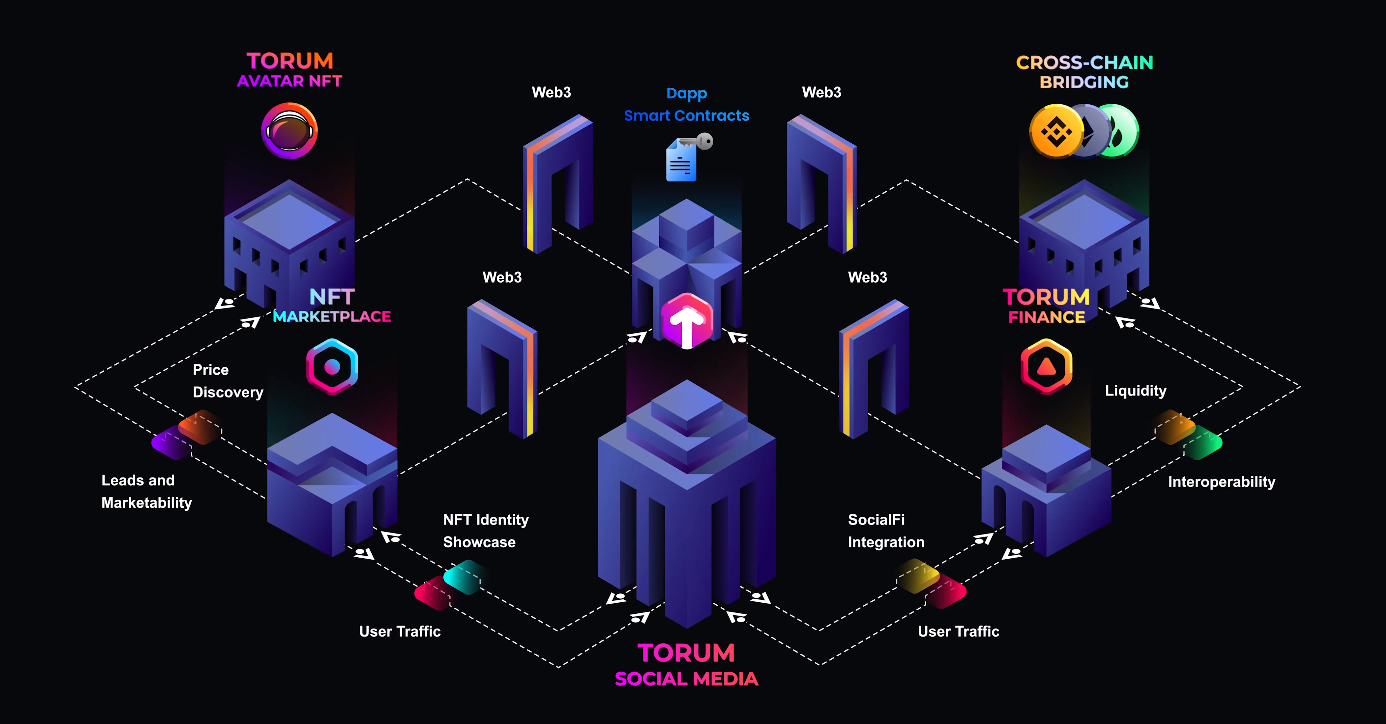
- Multi-chain Interoperability: Rewards earned via Twitter engagement transferable across chains like Ethereum and Bitcoin, as in crypto-backed social rewards (Binance).
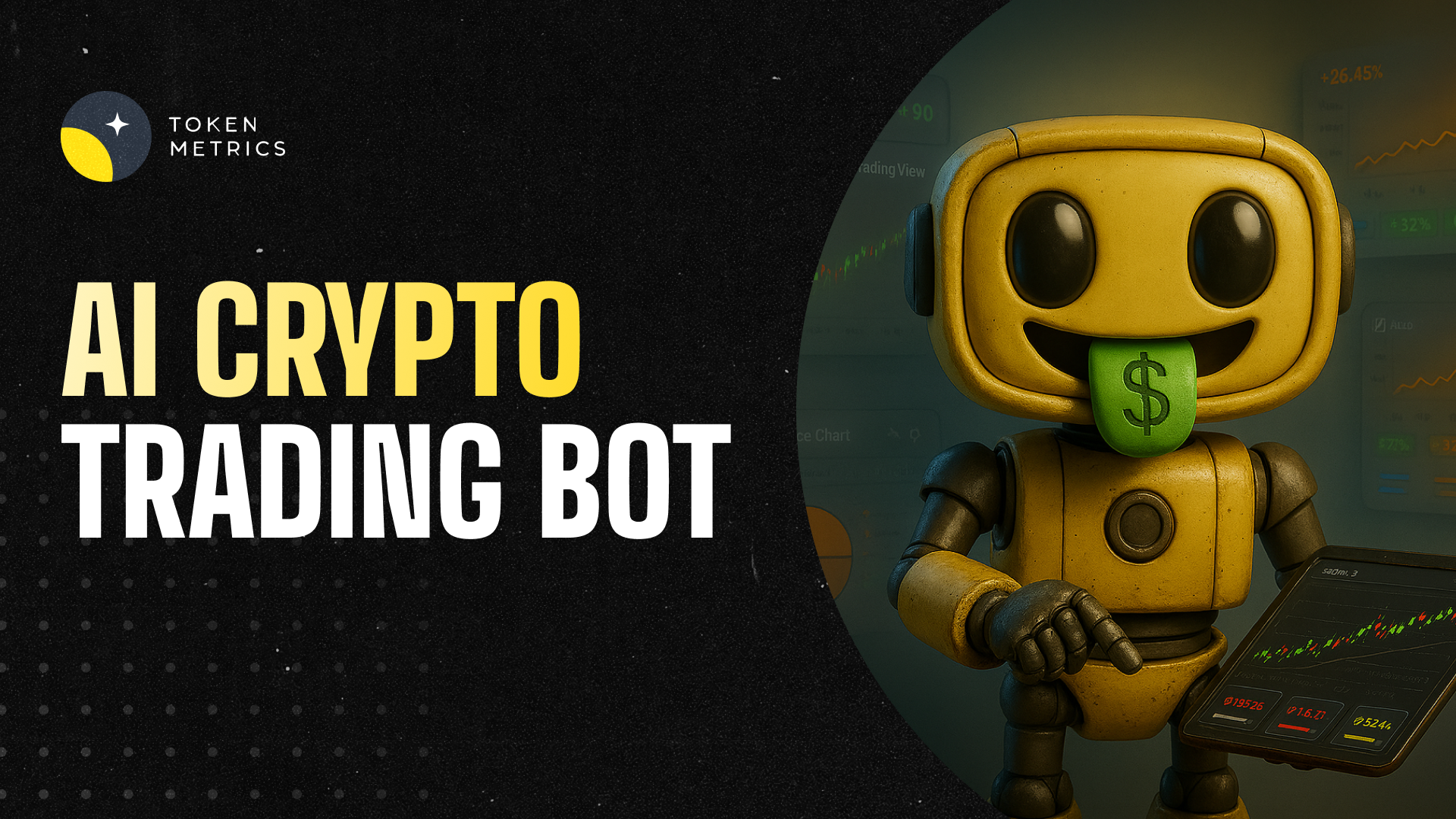
- AI Anti-Bot Filters: AI tools combat fake Twitter engagement in crypto projects, linked to lower returns for bot-heavy accounts (Blockworks).
- Cross-platform Token Vesting: Time-locked rewards from Twitter activity usable across Web3 social platforms like Steemit and Minds.
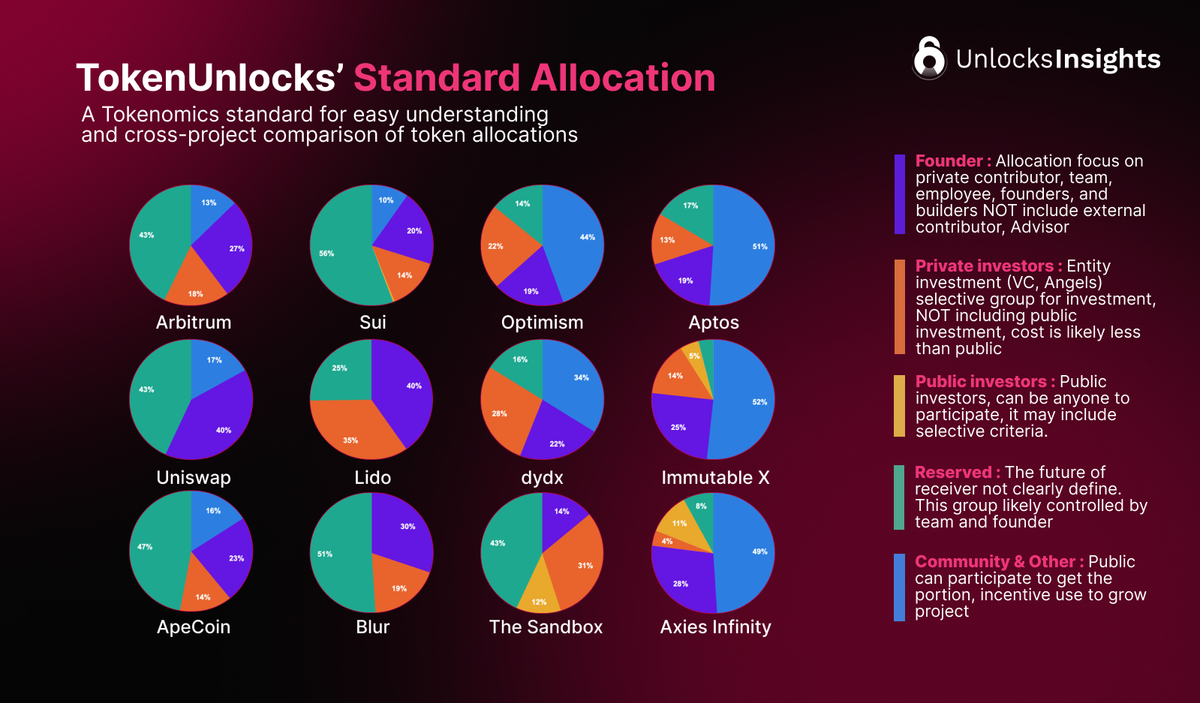
- NFT-gated Communities: Engagement unlocks NFT access to exclusive groups, amid rising scam risks in promotions (arxiv.org study).
- Real-world Redemption Rails: Tokens like STEEM from Steemit or BlockGames points redeemable for fiat or goods (FIU study).

Expect hybrid models: Twitter integrates web3 wallets natively, per Fintech Digital speculation. Medium's Jumpstart spotlights inclusive rewards, empowering micro-influencers. My chart read? Bullish pennant forming on SocialFi volume - breakout targets 5x adoption by 2027, if regulators greenlight stablecoin payouts.
Tokenized Engagement leads this charge, optimizing engagement tokens for creators and brands. Custom rewards programs track Twitter metrics on-chain, yielding 25% loyalty boosts in beta tests. Brands foster tribes; creators fund passions. No more algorithm serfdom - own your audience value.
Users, start small: join DeSo for creator coins, farm BlockGames points, post on Steemit. Verify via Dune dashboards; diversify rewards. Platforms rewarding authenticity thrive, as charts foretell. This isn't hype; it's the next leg in social media's exponential curve, tokenized and unstoppable.



No comments yet. Be the first to share your thoughts!