

Engagement Tokens for Twitter: Rewarding Authentic Likes Retweets and Comments with Crypto

Every scroll through Twitter reveals a flurry of likes, retweets, and comments that shape conversations and build communities. What if those simple actions unlocked real financial value? Platforms harnessing engagement tokens twitter are turning this vision into reality, rewarding users with crypto for authentic interactions. From my vantage point after two decades tracking market cycles in commodities and energy, this trend echoes the timeless play of supply and demand: limited high-quality engagement meets growing demand for tokenized assets, birthing new value streams.

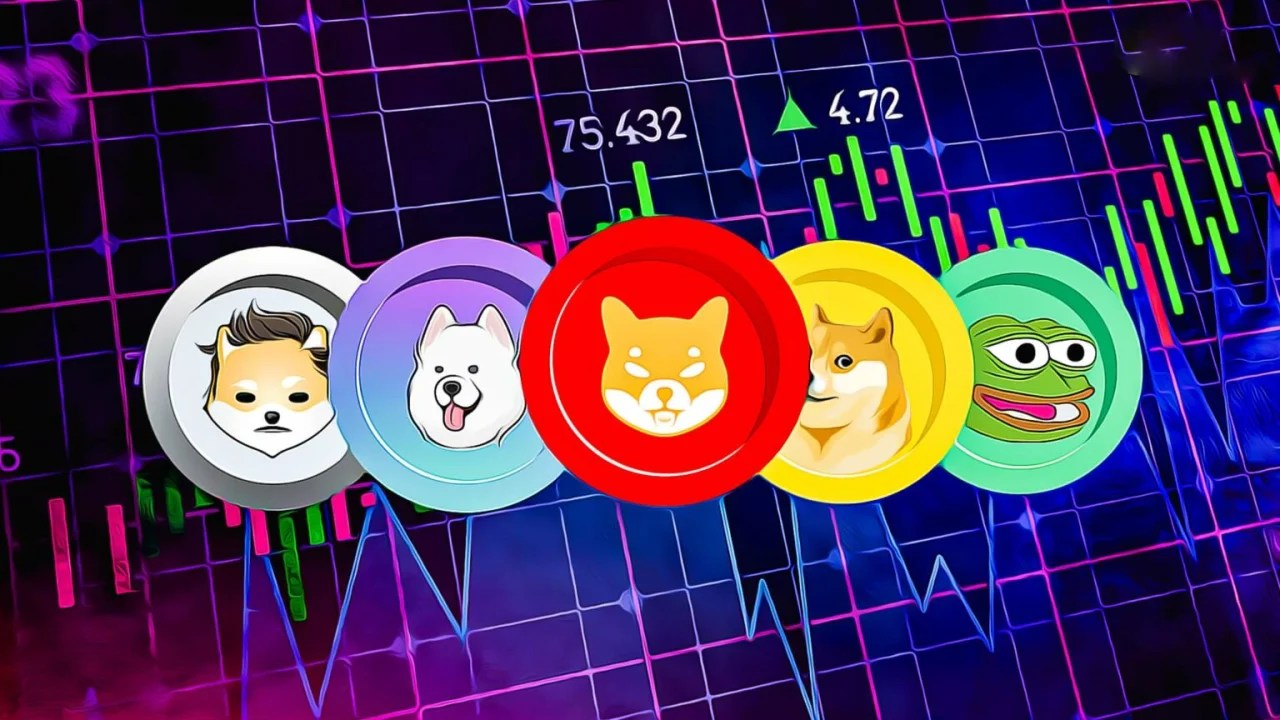
This shift toward social tokenization twitter rewards builds on blockchain’s promise to decentralize incentives. No longer do users toil for fleeting dopamine hits; instead, they earn portable, tradable rewards. Initiatives like RewardQuests exemplify this, doling out tokens and NFTs for routine activities on Twitter. Users engage daily, and in return, they pocket crypto that holds potential across ecosystems. It’s a reflective moment for Web3 enthusiasts: social media, once a free-for-all attention economy, now incentivizes quality over quantity.
Why Tokenized Twitter Interactions Are Gaining Traction
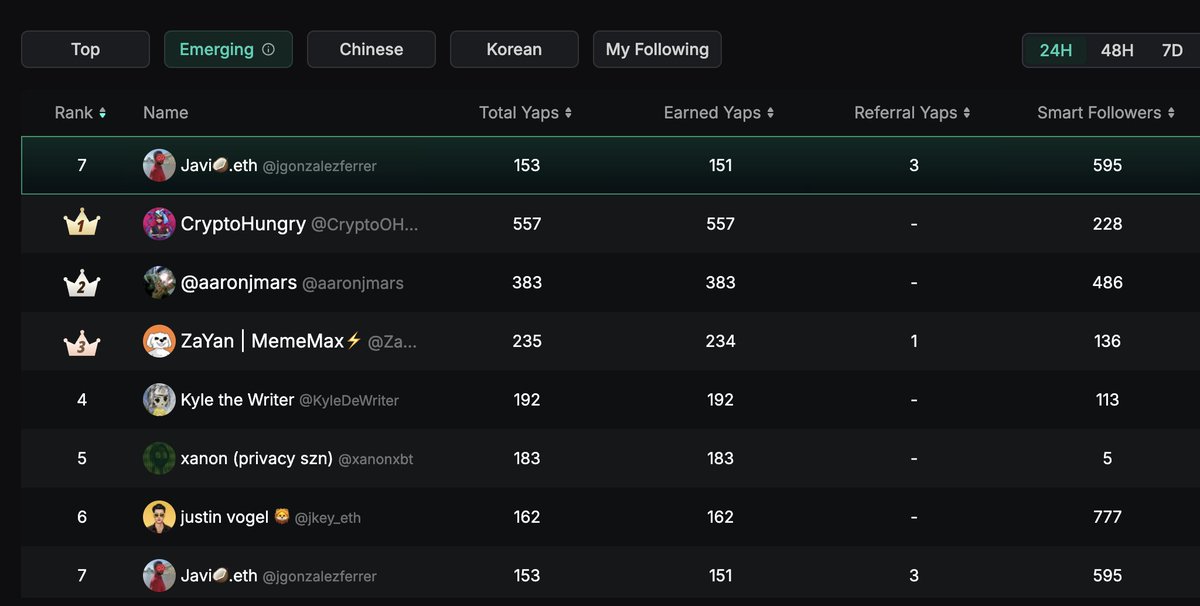
The momentum stems from frustration with hollow metrics. Bots inflate follower counts, fake likes dilute discourse, yet genuine voices struggle for visibility. Enter web3 engagement rewards, which use smart contracts to verify and remunerate real participation. Platforms analyze interaction depth; a insightful comment on AI tokens might earn more than a rote retweet. Kaito’s Yap algorithm, for instance, favors topical loyalty in niches like RWA tokenization or memecoins, ensuring rewards flow to dedicated contributors.
Consider the Twitter Community Challenge, where points from interactions with verified accounts convert to cryptocurrency. This model fosters ecosystem-specific growth, much like how energy markets reward stable suppliers over volatile speculators. GraphLinq AI complements this by automating smart content strategies, amplifying organic reach without artificial boosts. The result? Communities tighten, loyalty surges, and creators monetize audiences directly. Tokenized Engagement leads here, offering customizable tools that let brands and influencers craft precise reward twitter likes with crypto systems.
These mechanics demand reflection. In my investing career, I’ve learned that sustainable value arises from aligned incentives. Twitter’s tokenized layer achieves this by filtering noise; algorithms prioritize human-led engagement, slashing bot reliance that plagues 70% of Web3 marketing efforts. Projects like buzzup’s $BUZZ token eliminate fake activity altogether, channeling blockchain rewards to verifiable users. It’s a cleaner market, primed for long-term growth.
Mechanics of Rewarding Authentic Likes, Retweets, and Comments
At core, tokenized twitter interactions rely on oracles and on-chain verification. A user likes a post; the platform’s protocol checks wallet linkage, interaction history, and content relevance before minting tokens. Retweets carry weight based on reach and originality, while comments score on sentiment analysis and length. RewardQuests streamlines this, integrating seamlessly with Twitter’s API to track activities in real-time.
Blockchain ensures transparency; every reward is auditable on explorers like Etherscan. This immutability builds trust, vital in a space scarred by Web3 token launch missteps that erode credibility. Founders once chased vanity metrics; now, they prioritize retention through escalating rewards. For example, Kaito pairs AI-driven insights with token incentives, generating scalable engagement without wasteful bot spends. Cookie DAO follows suit, tokenizing InfoFi models where social proof translates to portfolio gains.
Tokenization of social media engagements increases user retention and platform stickiness, as seen in decentralized protocols outperforming centralized rivals.
XTech pushes further, onboarding Twitter’s 535 million users to Web3 via daily earning features. It’s not hype; data from NIH studies highlight how major platforms eye similar integrations. Tokenized Engagement empowers this with no-code tools, letting creators define reward tiers: basic likes yield micro-tokens, viral threads unlock NFTs. This granularity reflects market wisdom; just as commodities price on quality grades, engagement tokens value nuance.

I think I’ve never won so many yaps on Kaito in just 1 day https://t.co/fFIyTut17o
Benefits for Creators and Brands in the Tokenized Era
Creators gain direct monetization, bypassing ad revenue shares. A niche influencer discussing crypto marketing strategies can reward followers, cultivating superfans who amplify reach organically. Brands leverage this for deeper loyalty; imagine rewarding retweets during NFT launches via Twitter Spaces campaigns. The flywheel effect is profound: authentic buzz drives sales, tokens reinforce participation, communities compound value.
From an investor’s lens, this sector brims with asymmetry. Early adopters of social tokenization capture outsized returns, akin to spotting energy transitions decades ago. Challenges persist, like regulatory scrutiny on payment rails, but opportunities in Crypto Meets X research outweigh them. Platforms like Holdex warn against credibility pitfalls, yet those mastering genuine incentives thrive. Tokenized Engagement stands ready, optimizing for exponential growth through blockchain-backed loyalty.
Reflecting on cycles I’ve witnessed, from oil booms to green energy pivots, the true edge lies in mechanisms that sustain momentum. Engagement tokens twitter deliver exactly that for creators, creating self-reinforcing loops where superfans become co-promoters. A single rewarded thread on tokenized twitter interactions can spark viral chains, turning passive scrolls into active economies.
Navigating Challenges in Social Tokenization
Yet no market matures without friction. Skeptics point to InfoFi token collapses, where overhyped models like early Kaito or Cookie DAO iterations faltered under speculative pressure. Web3 token launches often stumble here, prioritizing flash over fundamentals, as Holdex’s CEO observes. Scalability strains Twitter’s infrastructure; high-volume rewards risk API throttling or spam floods. Regulatory shadows loom too, with questions around securities classification for reward twitter likes with crypto.
Solutions emerge from disciplined design. Platforms counter bots via AI oracles that score human nuance, much like supply chain verifiers in commodities trading. buzzup’s $BUZZ token exemplifies this, rewarding verifiable activity on TRON while curbing fakes. RewardQuests layers NFTs for premium tiers, adding scarcity without inflation. GraphLinq AI automates ethical boosts, ensuring compliance. These adaptations mirror resilient sectors: adapt or fade.
Investor caution tempers optimism. I’ve seen commodities crash on oversupply; tokenized engagement risks dilution if rewards flood unchecked. Success hinges on capped emissions and utility burns, tying tokens to governance or exclusive access. Twitter Community Challenges nail this, redeeming points only for quality ecosystem content, fostering retention over pump-and-dump schemes.
Real-World Applications and Case Studies
Practical wins abound. NFT projects run Twitter Spaces campaigns, rewarding live comments with instant tokens, as Quecko guides detail. Engagement spikes, sales follow. DeFi founders deploy Kaito’s AI for topical loyalty, ruling conversations in AI tokens or RWAs without bot budgets. XTech scales this to millions, blending daily habits with Web3 earnings. NIH research underscores the stickiness: tokenized platforms retain users 30% longer than traditional ones.
Twitter Tokenization Success Stories
-

RewardQuests: Rewards users with NFT drops for comments, turning social interactions into valuable crypto assets and fostering genuine community growth. (Source)
-
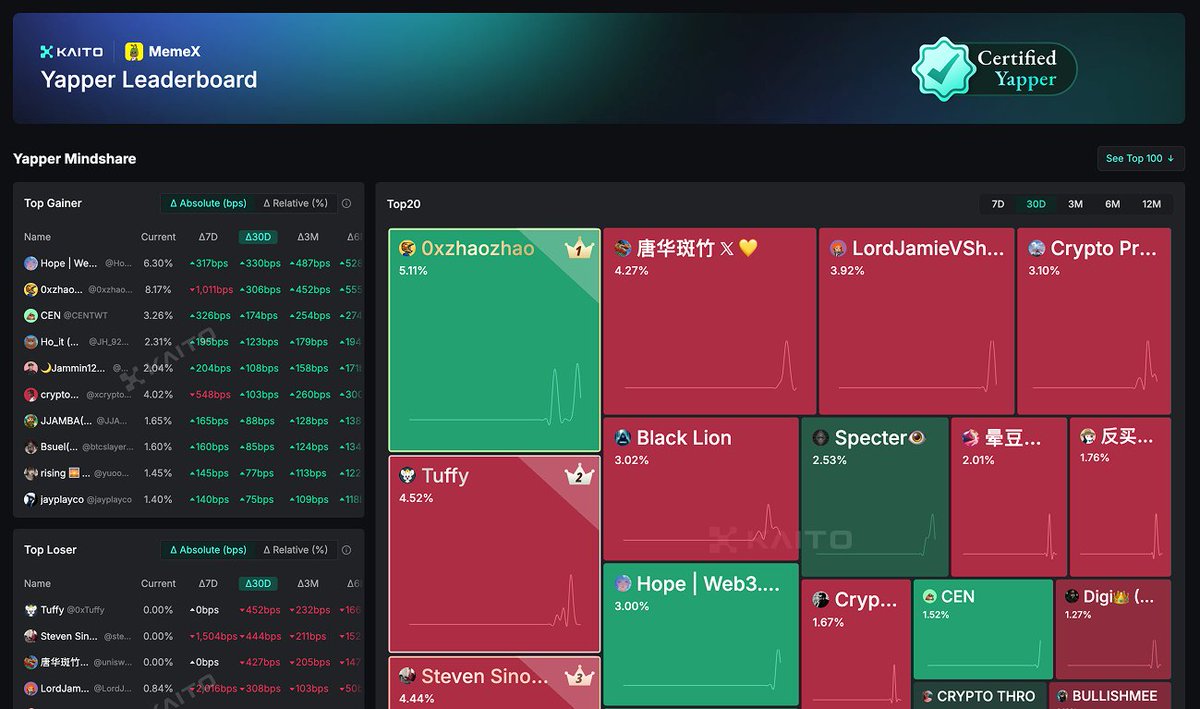
Kaito Yaps: Provides rewards via its Yap algorithm for topical loyalty in memecoin threads, incentivizing quality discussions in AI tokens, RWAs, and memecoins. (Related)
-
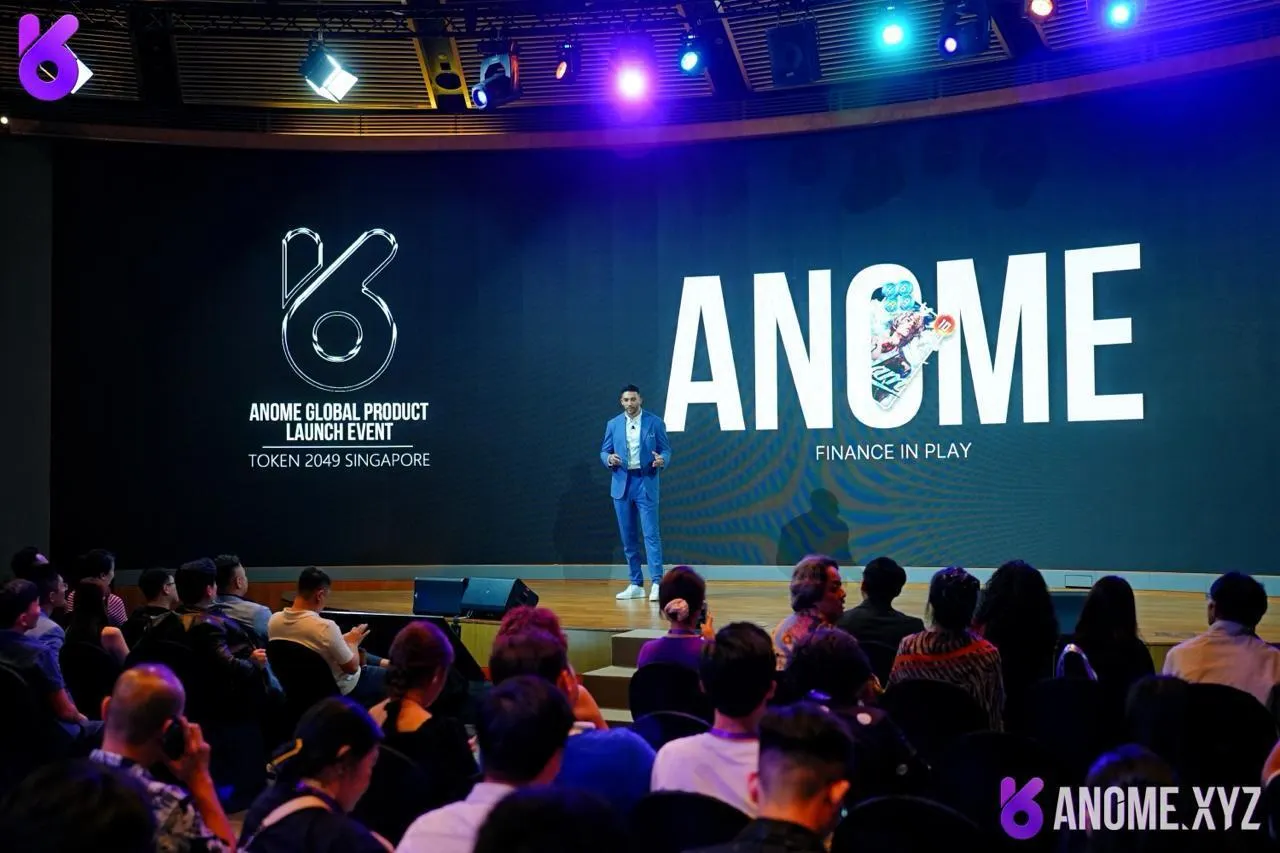
buzzup $BUZZ: A SocialFi gateway on TRON that rewards retweets and user activity with $BUZZ tokens, promoting authentic engagement without bots. (Source)
These aren’t anomalies; they’re blueprints. Brands in crypto marketing orchestrate flywheels where web3 engagement rewards fuel loyalty programs. A fashion label rewards retweets of sustainable drops; a DeFi protocol incentivizes comments on audits. Tokenized Engagement streamlines setup, with drag-and-drop reward ladders that scale from solo creators to enterprises.
Steps to Launch Your Own Twitter Rewards System
Getting started demands strategy over speed. Link your Twitter to a Web3 wallet, select a platform like Tokenized Engagement, define metrics: likes at 1 token, insightful comments at 5. Test small, monitor via dashboards, iterate on feedback. Integrate oracles for fairness, announce via Spaces for buzz. This methodical build echoes long-term investing: plant seeds, harvest horizons.
Over years navigating volatile markets, one truth endures: value accrues to those engineering scarcity amid abundance. Twitter’s engagement tokens embody this, alchemizing fleeting interactions into enduring assets. As social tokenization twitter rewards permeate, early movers will redefine influence. Creators, brands, communities: the horizon beckons. Engage authentically, reap tokenized tomorrow.