

How SocialFi Platforms Turn Twitter Likes into Engagement Tokens and Crypto Rewards 2026

In the volatile world of web3, SocialFi platforms promise a radical shift: transforming fleeting Twitter likes into tangible engagement tokens and crypto rewards. Imagine liking a post not just for the dopamine hit, but for actual value accruing to your wallet. By early 2026, this vision has gained traction amid a battered market, where most SocialFi tokens have plummeted over 90%, yet innovators persist in tokenizing Twitter engagement. As a value investor, I approach this with caution; the hype often outpaces sustainable models, but the mechanics warrant scrutiny.


SocialFi fuses social media with decentralized finance, rewarding users directly for interactions rather than funneling value to centralized platforms. Platforms now convert likes, comments, and retweets into points or tokens via blockchain smart contracts. This social tokenization rewards system incentivizes authentic engagement, but sustainability hinges on real utility and adoption, not speculation.
Decoding the Reward Mechanisms on Twitter
At its core, these platforms track on-chain verifiable interactions. A like on a partnered Twitter post triggers a smart contract that mints fractional engagement tokens. Users accumulate these through daily activities, with leaderboards gamifying participation. Token buybacks from subscription fees and brand-sponsored missions create deflationary pressure, theoretically supporting value. Yet, with tokens like FRIEND, DEGEN, CYBER, RLY, and DESO down 99% in many cases, I caution that early movers often prioritize volume over viability.
This model extends beyond likes. Replying thoughtfully or retweeting quality content amplifies earnings, fostering deeper community ties. Unlike traditional social media’s visibility-only rewards, here ownership stakes emerge, aligning incentives between creators and audiences.
Standout Platforms Pioneering Twitter-to-Crypto Conversion
Top SocialFi Platforms in 2026
-

SocialFi: Rewards Twitter users for posting, replying, and retweeting with points convertible to tokens. Features buybacks from subscriptions and revenue sharing. Sector faces high volatility; many tokens down 90-99%. socialfionsol.app
-

Farcaster & Warpcast: On Base blockchain, users earn DEGEN tokens for quality posts and engagement; tokens tradable or for perks. DEGEN down over 90%; speculative risks high. Warpcast
-

CoinBuck: Offers crypto rewards for Twitter tasks, referrals, sign-ups, and campaigns across social platforms. Appeals to influencers but watch for bot/fraud risks. Market challenges persist. CoinBuck
SocialFi leads by integrating directly with Twitter, where users earn points redeemable for tokens funded by community subs and promotions. Farcaster and Warpcast, on the Base blockchain, reward quality posts with tradable DEGEN tokens, blending decentralized social graphs with perks. CoinBuck merges TaskFi elements, paying crypto for Twitter sign-ups, campaigns, and referrals across Discord and Telegram too. These platforms tokenize not just likes, but holistic twitter likes to crypto rewards ecosystems.
Deeper integration involves NFTs as multipliers. Creators mint content-linked NFTs, granting buyers exclusive access or resale royalties from engagement. A viral Twitter thread could spawn an NFT collection, where each like indirectly boosts holder value through protocol fees. This layer adds sophistication, but demands rigorous vetting to sidestep rug pulls.
Navigating Bots, Fraud, and Market Realities
Excitement tempers with stark realities. Studies reveal rampant bots inflating NFT promotions on Twitter, eroding trust. By February 2026, while platforms like zetarium engagement points or foxigrow social earn experiment boldly, most SocialFi ventures face abandonment or acquisition. Speculative influx dominates, with token prices reflecting hype cycles over fundamentals.
From an investment lens, I advocate patience: assess tokenomics for locked supply, revenue shares, and anti-bot measures before diving in. Authentic engagement yields compounding rewards, but mimicry floods dilute value. Platforms combating fraud via AI verification or proof-of-humanity protocols stand out, yet execution lags promise.
Emerging protocols like zetarium engagement points and foxigrow social earn illustrate this tension. Zetarium tallies points from Twitter interactions, convertible to governance tokens with staking yields tied to platform revenue. Foxigrow, meanwhile, emphasizes viral loops where user referrals compound tokenize twitter engagement into shared pools. Both show promise in aligning long-term holder interests, but their staying power depends on weathering crypto winters without diluting supply through endless emissions.
In the past week I have seen so much more quality content!
It’s why I am trying to make @farcaster our main Base.
With all the mini apps allowing you to do almost anything, it makes sense, but with the content I’ve been seeing from some of you, posting about real world issues, life struggles, what you are building or want to build, the projects you are working on, funny memes, pet posts. You make the app. This week I’ve seen it and I’ve seen what a fantastic place Farcaster is turning into!
We have already started posting more! We plan to hold majority of spaces using @fireside by using 6 attention apps we will amplify our project and upcoming mini apps at minimal cost and without Kols!
We also plan to continue to support all the mini apps we can.
We are creating our @vibemarket packs, pondering a new game for dexscreener.wtf rebranding our webpage cock.ventures and have 2 amazing mini apps in development.
I will also continue to support all that support us, we have tipped over 3 million $COCK so far using this app. That’s no small number and doesn’t include what we have used with @bankr and apps like @noiceapp Degen and @tipn
Words of myself and my dev, we are here to stay, we do not have a short term plan, but instead have been talking about the years ahead.
So far we have proved ourselves and we continue to watch, learn and grow, we are not arrogant to the forever changing world of crypto, you are never done learning or pivoting to what makes sense in this space!
This is me signing off for the evening, gn all and stay Based🟦
Consider the mechanics of revenue capture. Successful SocialFi outfits route a slice of ad spends and premium subs back to token holders via buybacks. This mirrors value investing principles: generate cash flow, repurchase shares, let compounding do the work. Yet, in a sector where 90% token drops are norm, distinguishing signal from noise requires dissecting vesting schedules and burn rates. Platforms with founder tokens locked for years, coupled with audited contracts, merit a closer look.
Building a Disciplined Portfolio in SocialFi
As a CFA charterholder weaned on blue-chips, my playbook for SocialFi echoes timeless strategies: allocate modestly, diversify across protocols, and harvest dividends from staking. Start with established chains like Base, where Farcaster’s DEGEN offers liquidity without the wild swings of Solana-based experiments. Track metrics beyond price – daily active users, retention rates, and organic volume signal health. Avoid FOMO-driven pumps; instead, dollar-cost average during capitulation phases, when fundamentals shine brightest.
Key SocialFi Metrics
-
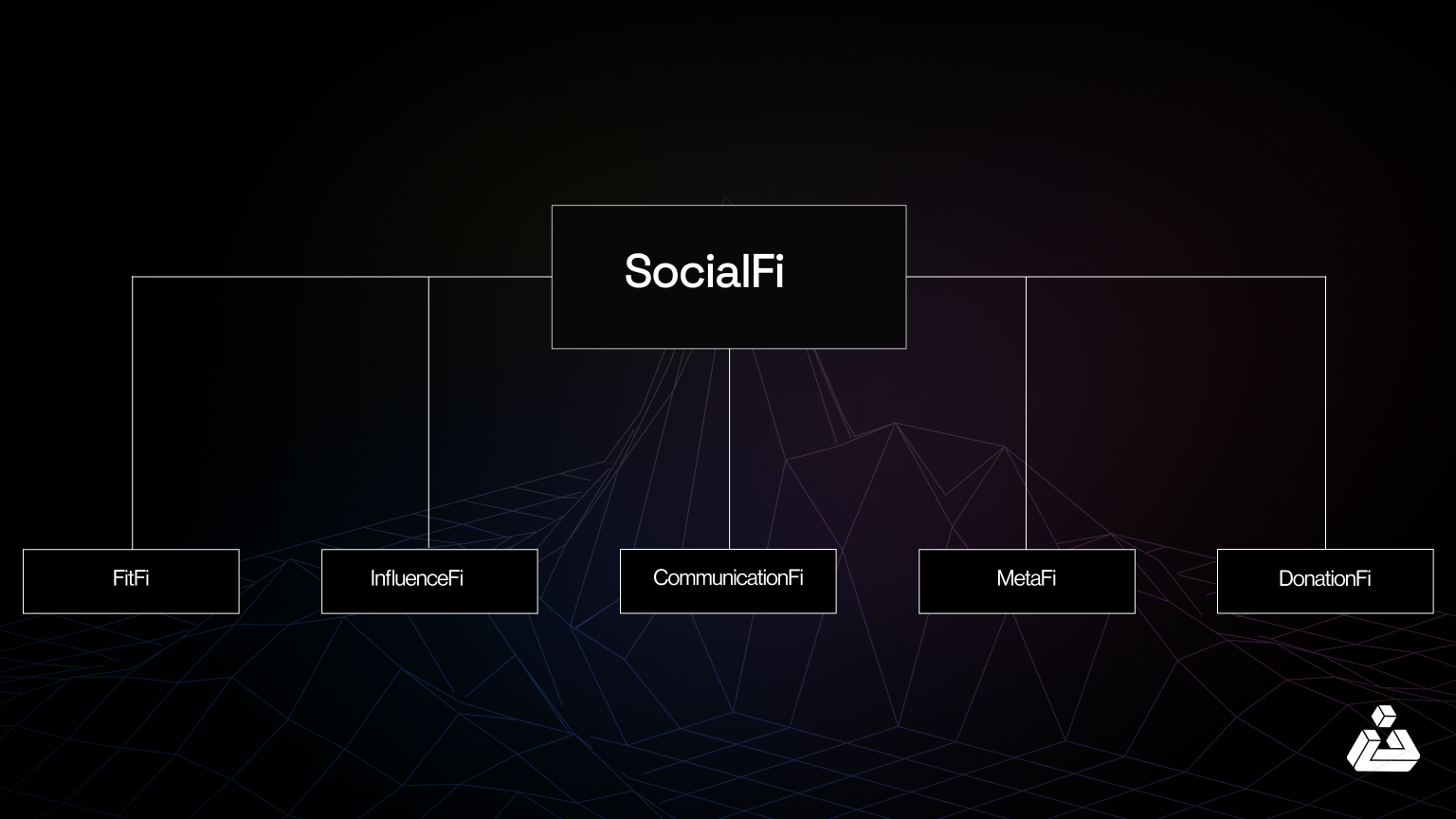
Token Utility: Assess staking yields and governance voting. Platforms like Farcaster offer DEGEN for perks, but most tokens (e.g., DEGEN, CYBER) dropped 90-99% by 2026.
-
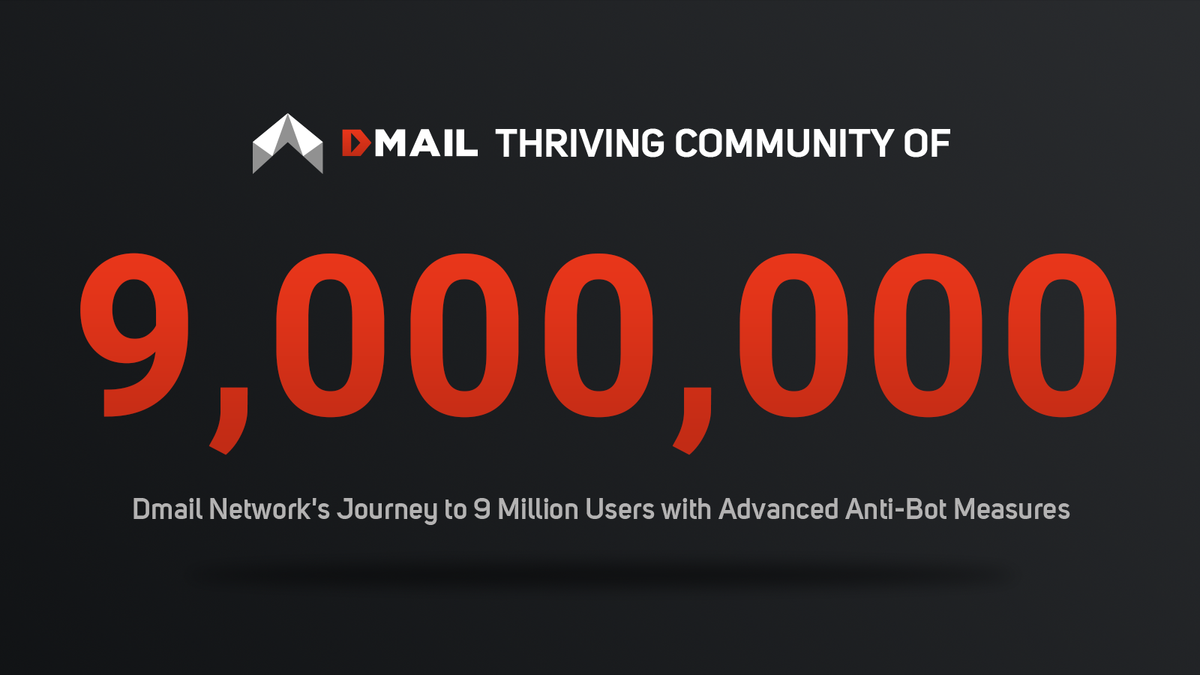
Anti-Bot Measures: Look for proof-of-humanity to combat fraud. Studies show high bot activity in NFT promotions on Twitter.
-
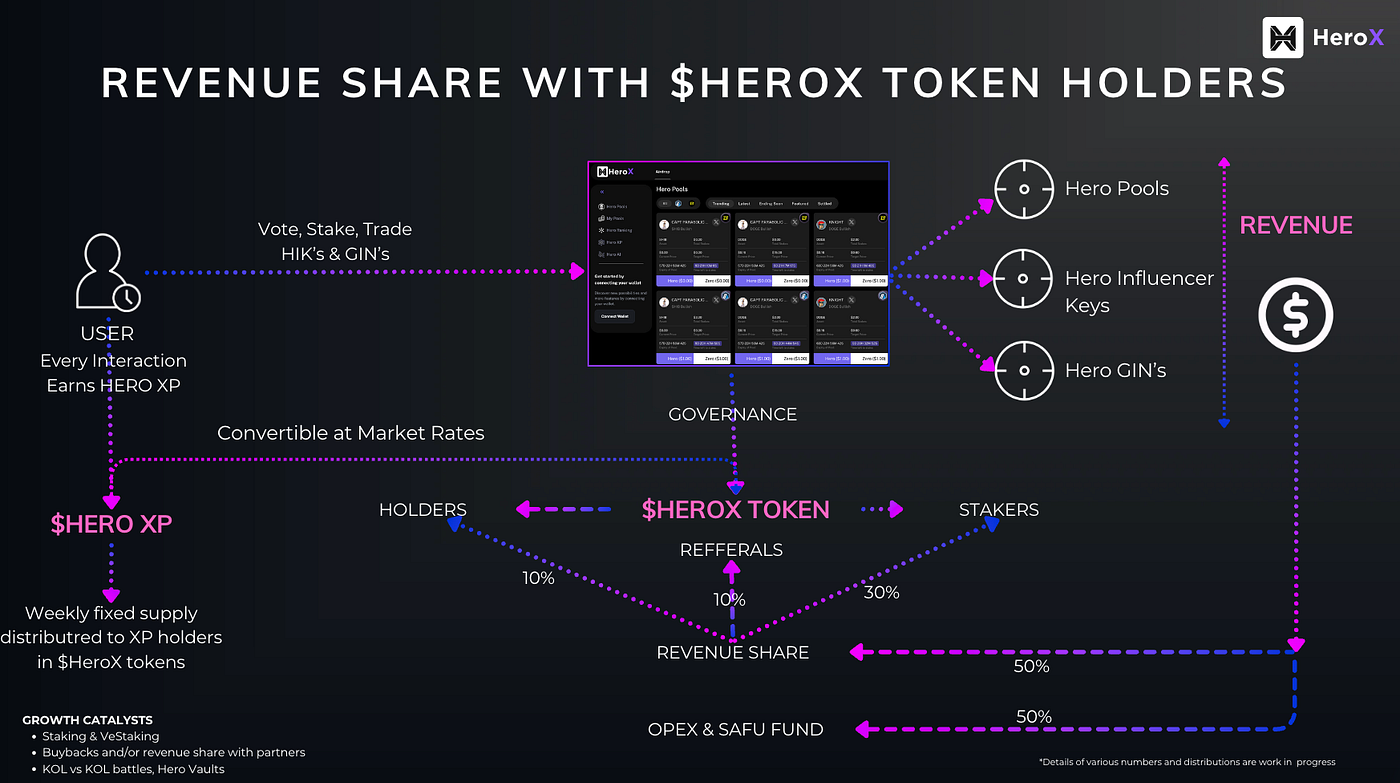
Revenue Model: Evaluate buybacks from subscriptions/ads. SocialFi uses subs for buybacks and revenue sharing.
-
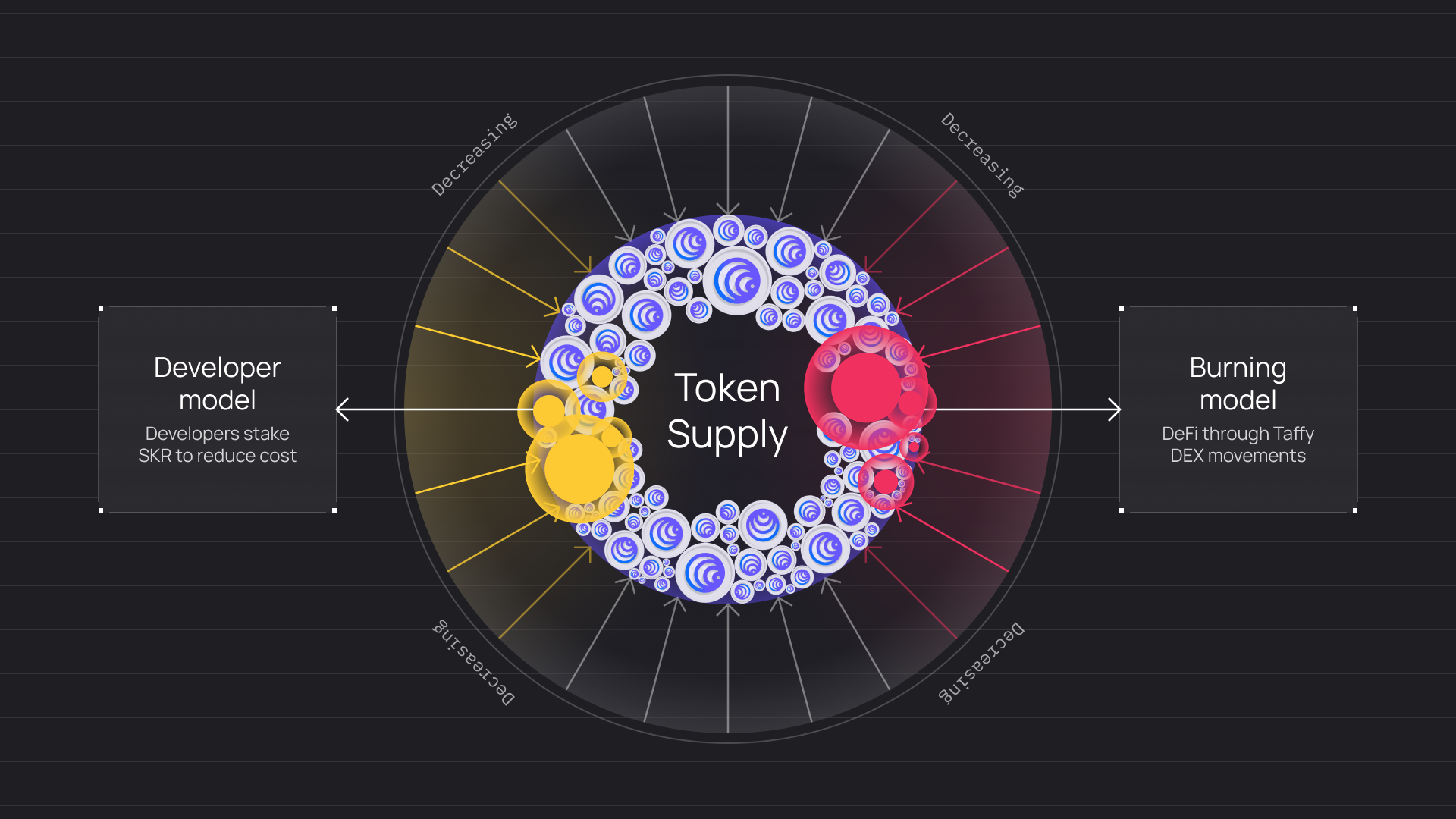
Supply Dynamics: Check locked emissions and token burns for scarcity. Many projects face abandonment risks by 2026.
-
User Growth: Monitor DAU and retention rates amid speculative hype collapse.
Real-world adoption hinges on frictionless onboarding. Platforms bridging Twitter’s ease with blockchain’s security – via wallet abstractions or social logins – lower barriers. Imagine seamless swaps: a Twitter like auto-mints tokens to your non-custodial wallet, claimable post-KYC lite checks. This evolution could propel social tokenization rewards mainstream, but regulatory shadows loom. Governments eyeing crypto yields may impose taxes on micro-earnings, nudging platforms toward compliant wrappers.
Zoom out to 2026’s landscape: amid token carnage, survivors consolidate. Acquisitions by web2 giants or DeFi behemoths could inject capital, refining user experiences. Farcaster’s traction on Base exemplifies this, with DEGEN’s utility expanding to protocol fees and exclusive drops. CoinBuck’s cross-platform play – Twitter to Telegram – diversifies risk, capturing engagement wherever it flows. These hybrids, blending SocialFi with gamified tasks, foster stickiness absent in pure speculation plays.
The Long Game: Patience Over Hype
Speculators chase moons; investors cultivate orchards. SocialFi’s orchard ripens slowly. Authentic communities, not bot farms, drive enduring value. Platforms rewarding quality over quantity – via algorithmic boosts for insightful comments or threaded discussions – curate signal. As machine learning sharpens fraud detection, trust rebuilds, unlocking brand dollars for sponsored missions that feel organic.
Picture a creator’s dashboard: Twitter analytics fused with on-chain treasuries, projecting yields from twitter likes to crypto rewards. Followers stake tokens for amplified voice, creators airdrop NFTs for loyalty. This flywheel, if tuned right, outpaces centralized ad monopolies. My caution: probe for moats. Proprietary social graphs, deflationary mechanics, and network effects form the bulwarks. Without them, platforms crumble under copycats.
Stepping back, SocialFi tests web3’s thesis: can decentralization monetize humanity’s social fabric without commoditizing it? Early data whispers yes, for the disciplined. Tokens may languish today, but as adoption compounds – from Twitter power users to casual scrollers – rewards accrue. Stake small, verify rigorously, hold through volatility. Fundamentals, not narratives, will separate wheat from chaff. In this arena, patience isn’t passive; it’s the edge that turns likes into lasting legacy.