

Social Tokenization Tactics for Brands Building Web3 Loyalty Programs

Brands navigating the Web3 frontier must approach social tokenization with measured steps, recognizing its potential to redefine web3 loyalty programs while guarding against inherent volatilities. Traditional loyalty schemes often falter under rigid structures and fleeting redemptions; tokenized systems, powered by blockchain, introduce tradable assets that instill genuine ownership. Starbucks Odyssey exemplifies this shift, blending NFTs with gamified stamps for exclusive perks, while Nike’s. SWOOSH invites users to co-create virtual goods, elevating customers to stakeholders. Yet, as a risk specialist, I caution: success hinges on scalable infrastructure and community alignment, not hype.


Recent insights from Boston Consulting Group underscore Web3’s role in revitalizing loyalty through tokenization, where digital tokens grant ownership rights and interoperability. Brands leveraging engagement rewards brands see retention soar as customers trade or stake these assets, fostering deeper ties. But beware the pitfalls: poor token design can lead to dumps or regulatory scrutiny. The path forward demands precise tactics tailored for blockchain brand loyalty.

7 Key Tokenization Tactics
-
1. Launch Branded Social Tokens on Scalable Blockchains like PolygonDeploy custom tokens on cost-effective networks like Polygon to minimize fees and ensure scalability, as seen in emerging Web3 loyalty pilots, while monitoring gas costs and regulatory shifts.
-
2. Implement Token-Gated Communities for Exclusive AccessUse tokens to unlock private Discord or Telegram groups, mirroring Starbucks Odyssey‘s NFT-gated experiences that offer perks like virtual events, fostering loyalty cautiously amid volatility.
-
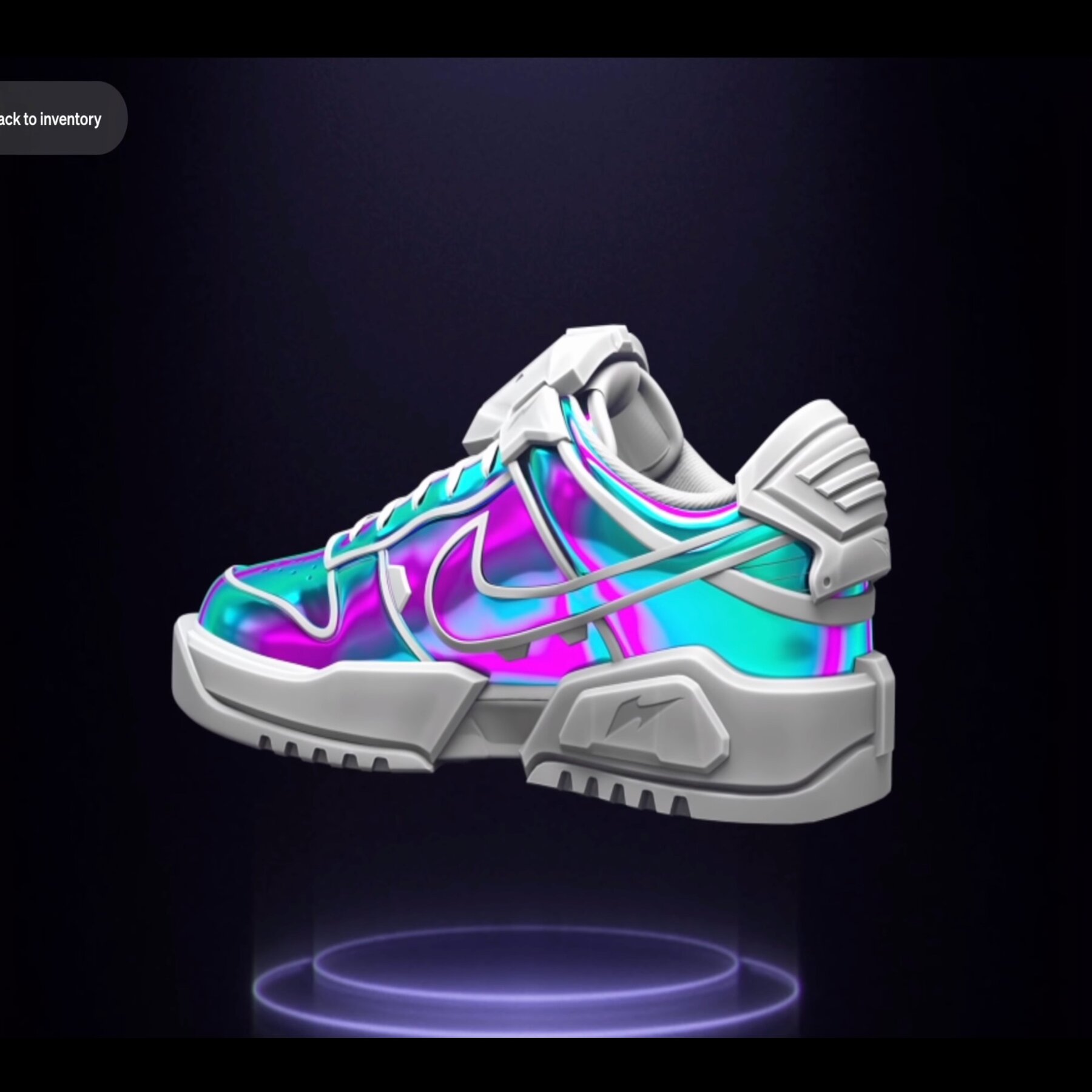
3. Reward UGC and Social Shares with Tradable Engagement TokensIncentivize user-generated content and shares with fungible tokens holders can trade, similar to Nike .SWOOSH‘s co-creation model, but verify authenticity to prevent spam.
-
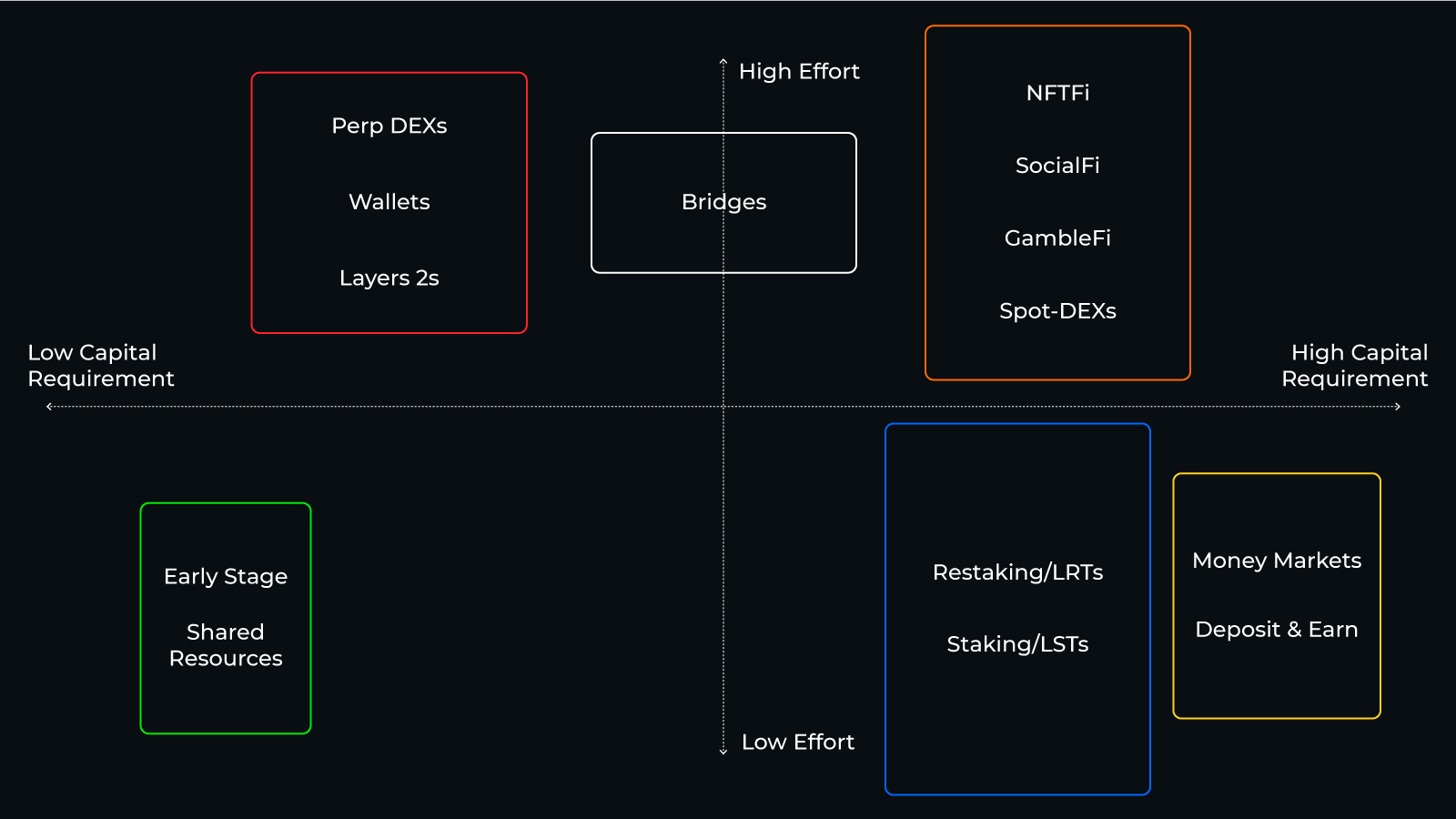
4. Design Tiered Loyalty Levels via Token Accumulation and StakingBuild progressive tiers by holding or staking tokens for higher rewards, drawing from DeFi staking mechanics, yet advise on impermanent loss risks in volatile markets.
-
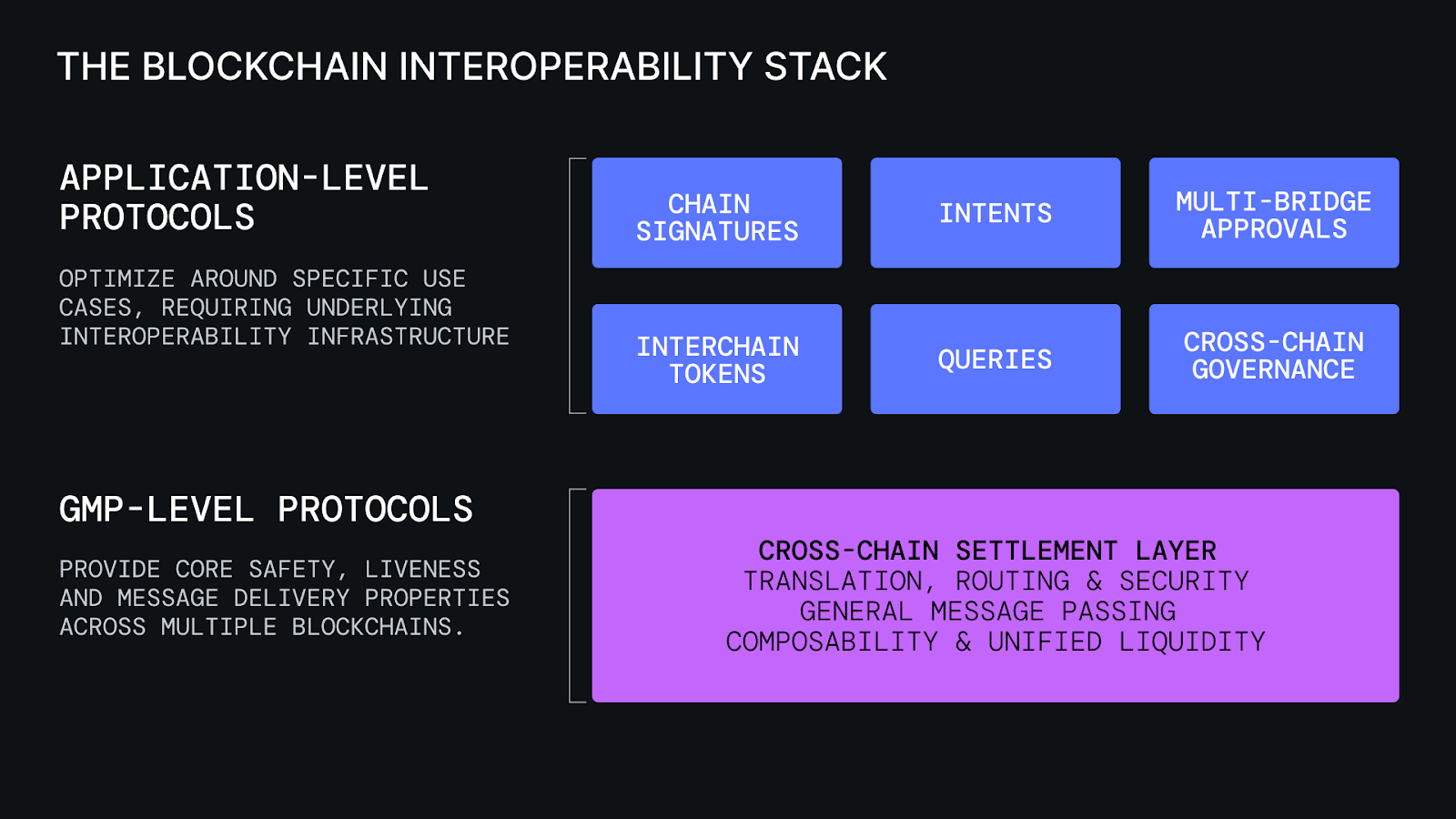
5. Enable Cross-Platform Token Interoperability with PartnersIntegrate tokens across ecosystems via standards like ERC-20/721 for multi-brand use, as in collaborative Web3 programs, enhancing value while navigating compatibility challenges.
-
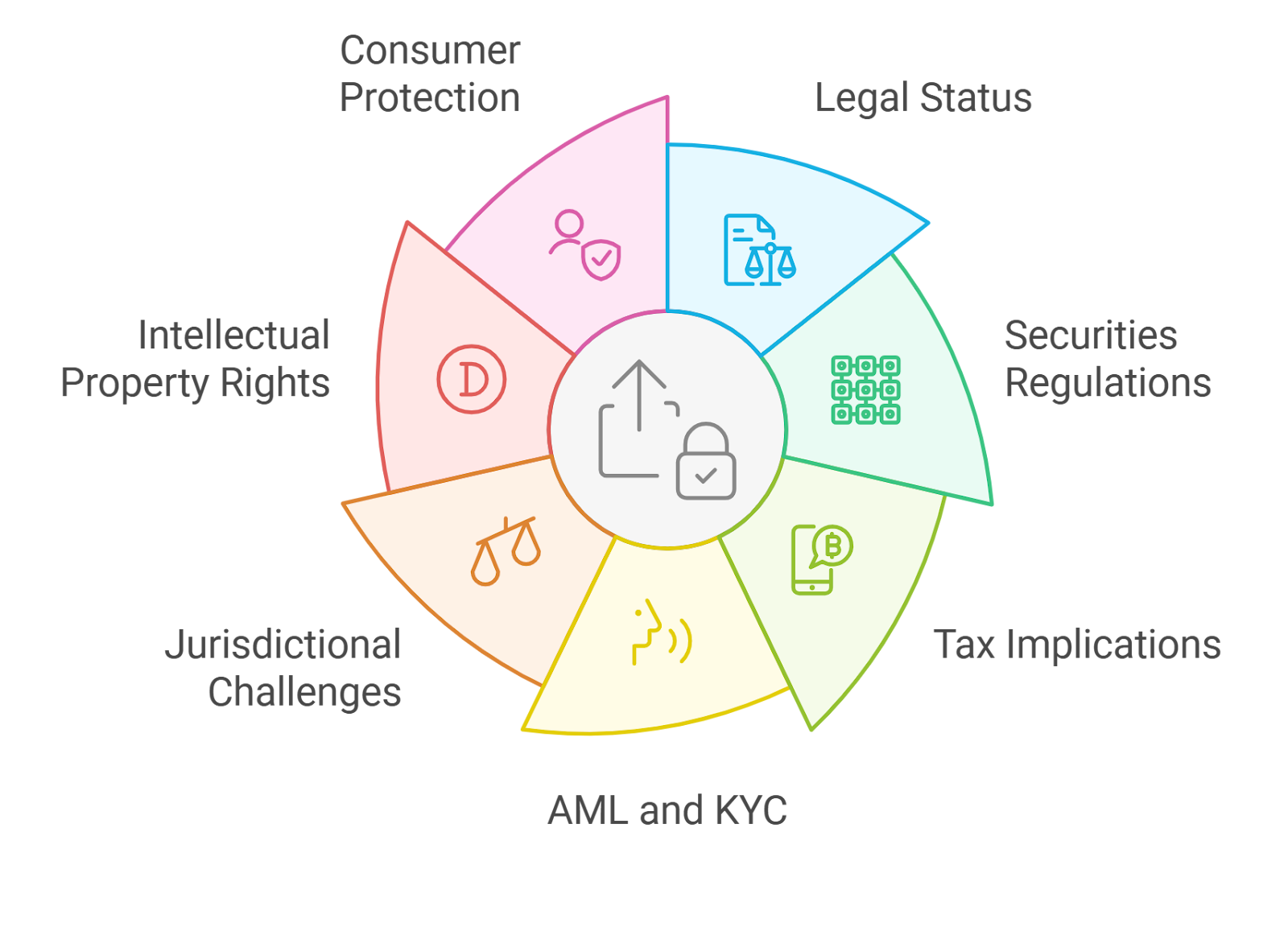
6. Incorporate DAO Governance for Token Holder Input on RewardsEmpower holders via DAO voting on reward structures, promoting community ownership like in established projects, but implement quadratic voting to curb whale dominance.
-
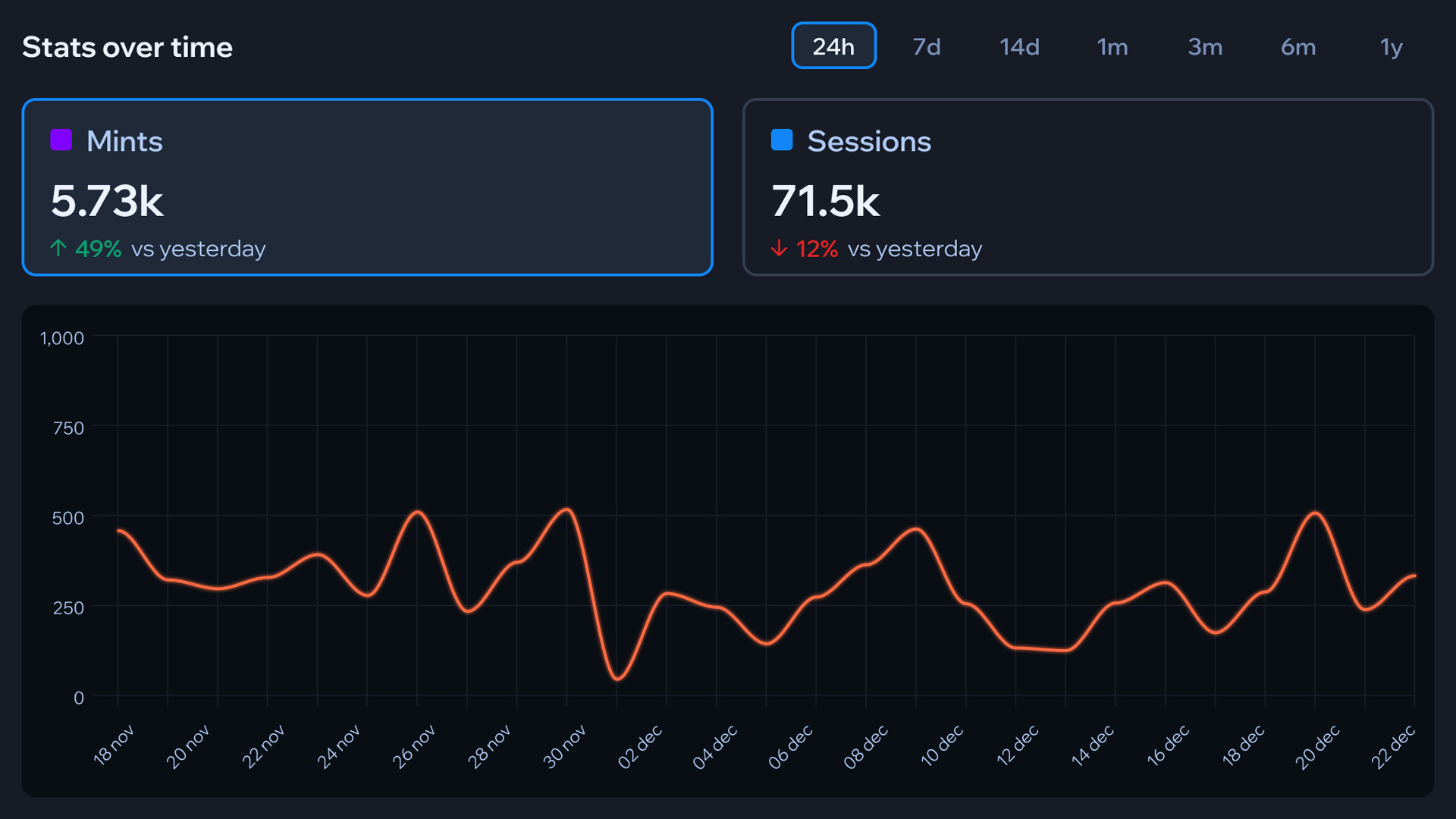
7. Personalize Incentives Using On-Chain Engagement AnalyticsLeverage tools like Dune Analytics for blockchain data to tailor rewards based on activity, as BCG notes in Web3 loyalty frameworks, ensuring privacy compliance.
Launch Branded Social Tokens on Scalable Blockchains like Polygon
Begin with a cornerstone: issuing branded social tokens on platforms like Polygon, which offers low-cost, high-throughput transactions ideal for mass adoption. Unlike Ethereum’s congestion, Polygon’s layer-2 scaling minimizes gas fees, enabling seamless tokenized customer engagement. Brands can airdrop initial tokens to top spenders, creating instant value. Starbucks’ approach mirrors this, tokenizing experiences for redemption. However, I advise rigorous audits and vesting schedules to prevent early sell-offs that erode trust. Polygon integrations via tools like Tokenized Engagement ensure compliance and liquidity pools, balancing growth with capital preservation.
Implement Token-Gated Communities for Exclusive Access
Token-gating transforms Discord or Telegram channels into fortresses of loyalty, where holding a minimum token balance unlocks VIP discussions, alpha releases, or early product drops. This tactic leverages scarcity psychology, much like Nike’s. SWOOSH, where token holders co-design sneakers. For social tokenization brands, platforms such as Collab. Land streamline verification without exposing wallets. The insight here is selective: over-gate and you alienate newcomers; under-gate and value dilutes. Monitor holder churn via on-chain metrics, adjusting thresholds dynamically to sustain engagement without compromising security.
Reward UGC and Social Shares with Tradable Engagement Tokens
Amplify organic reach by distributing tradable tokens for user-generated content and shares, turning advocates into earners. A customer posting branded memes or reviews receives instant airdrops, redeemable or sellable on DEXes. This mirrors breakthrough3x. com’s vision for small businesses scaling via Web3 rewards. Critically, embed anti-spam mechanics like proof-of-humanity or quality scoring to avoid bot farms. Simon-Kucher’s analysis highlights decentralized token management empowering users; brands should pair this with referral multipliers, but cap emissions to preserve tokenomics. Such engagement rewards brands cultivate viral loops, yet demand vigilant oversight to align incentives with long-term loyalty.
These initial tactics lay a robust foundation, but execution requires blending quantitative token models with qualitative community feedback. As we progress, tiered structures and interoperability will further entrench blockchain brand loyalty.
Design Tiered Loyalty Levels via Token Accumulation and Staking
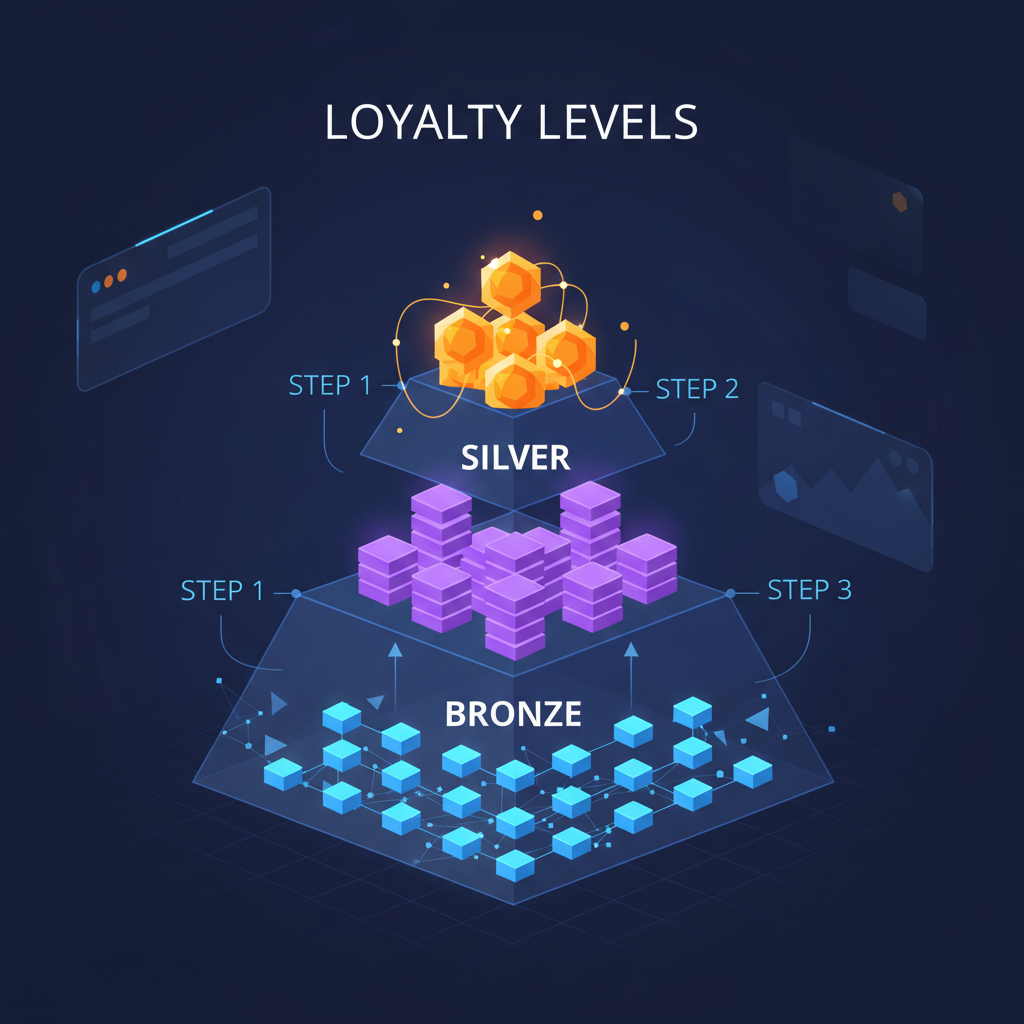
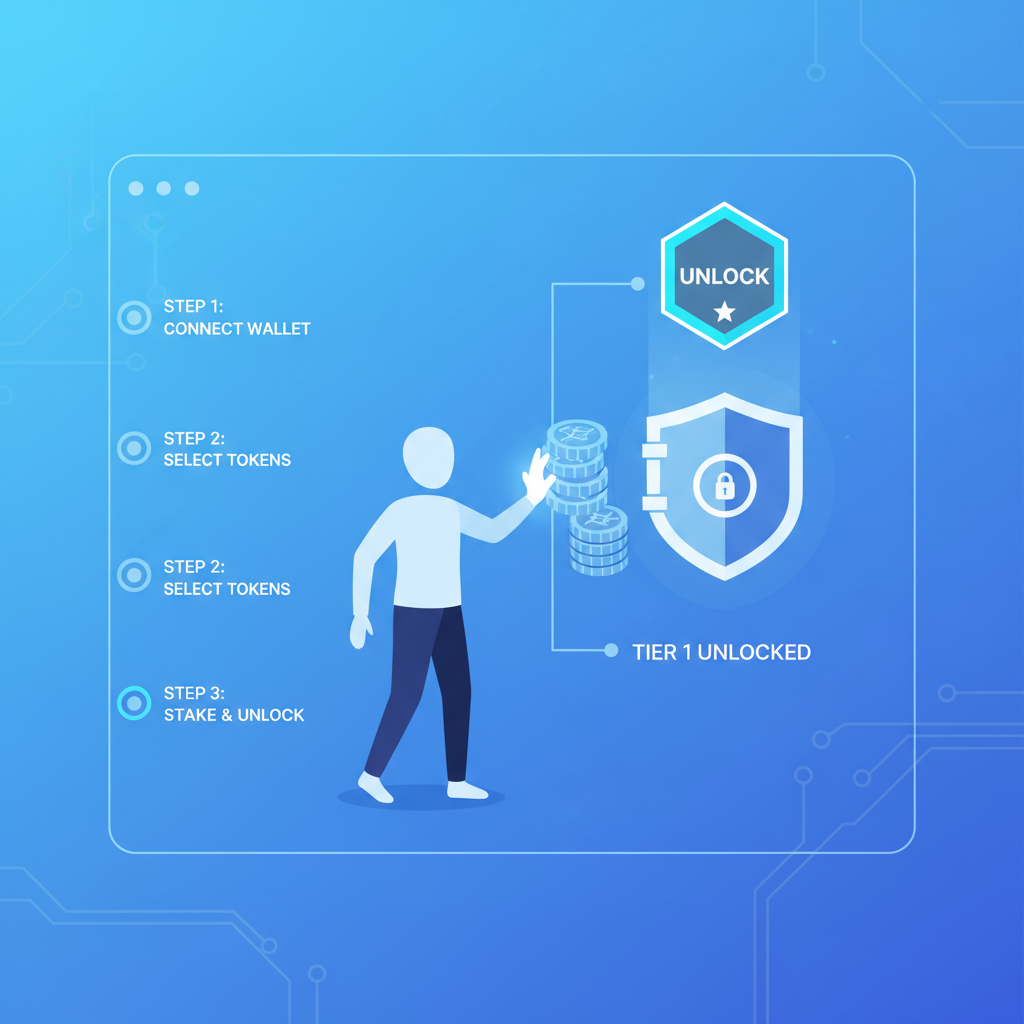
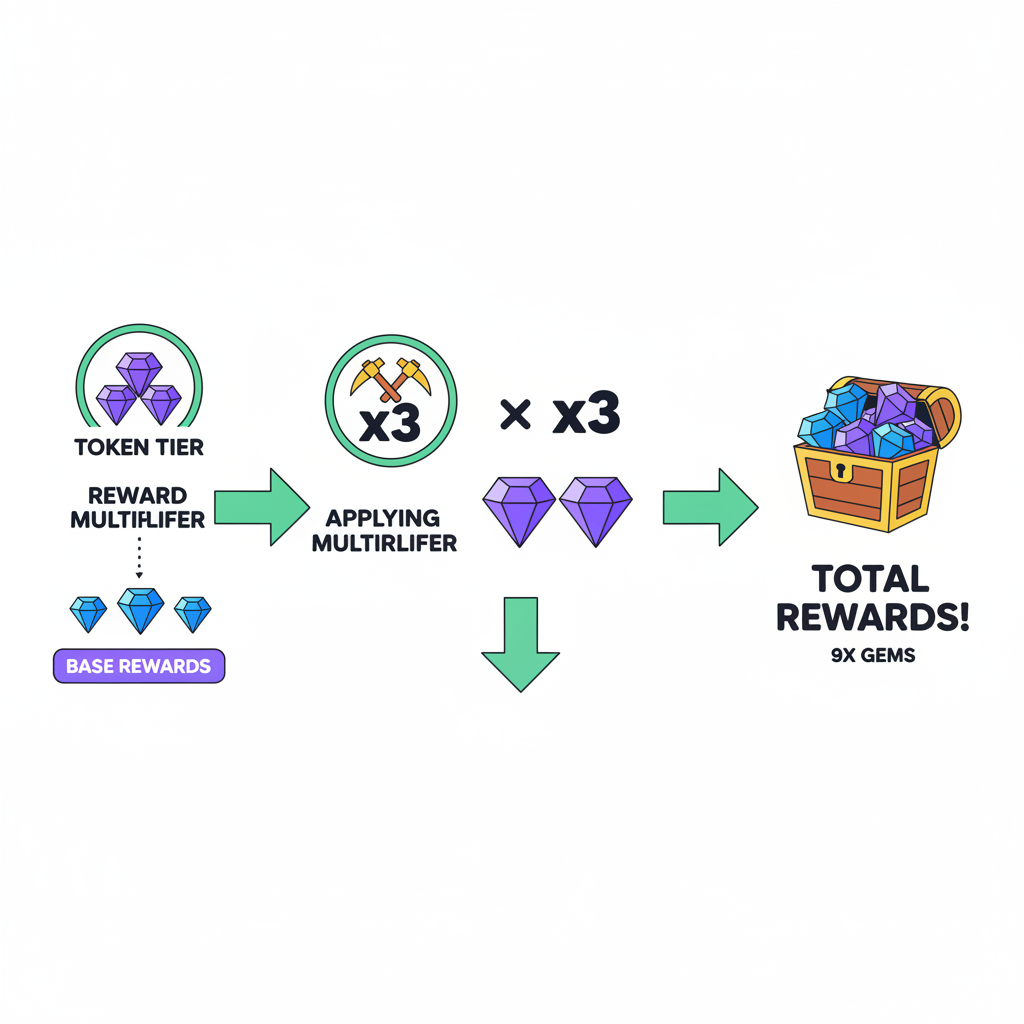
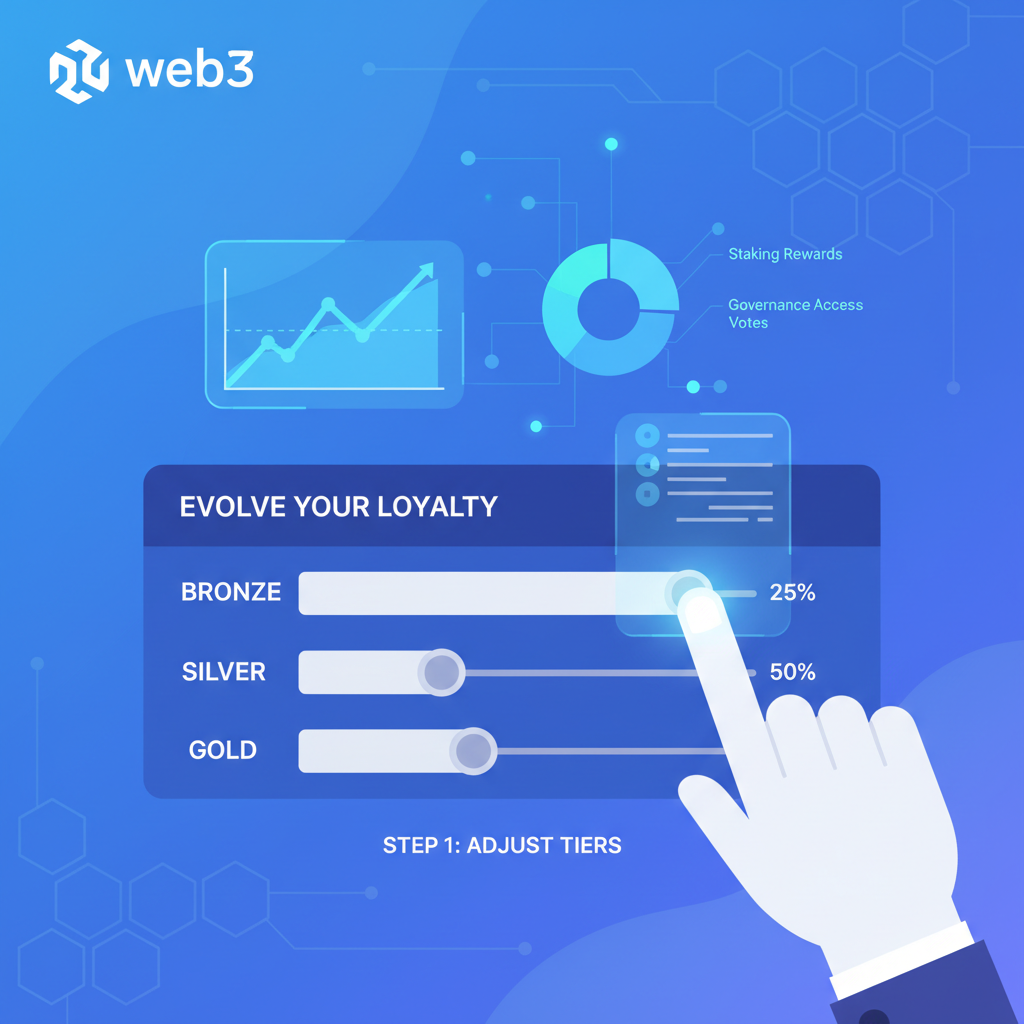
Layer in progression with tiered loyalty levels unlocked through token accumulation and staking, mirroring gaming mechanics that propel retention. Accumulate tokens via purchases or tasks, stake for higher tiers granting amplified rewards like bonus airdrops or premium NFTs. TDeFi’s insights affirm tokenized rewards as retention pillars; yet, as a hedge fund veteran, I stress yield curves that decay over time to discourage short-term farming. Polygon-based staking pools, audited for impermanent loss, pair well here. Brands must model burn rates meticulously, ensuring top tiers feel aspirational without inflating supply. This fosters web3 loyalty programs that evolve with user commitment.
Implementing Tiered Loyalty Levels: A Cautious Roadmap for Web3 Brands

Enable Cross-Platform Token Interoperability with Partners
Break silos by forging cross-platform interoperability, letting tokens flow between your ecosystem and partners’ like Starbucks stamps redeemable at allied cafes. Gate. io’s analysis spotlights interoperable tokens amplifying utility, drawing from Web3’s ethos. Use standards like ERC-1155 for seamless bridging across chains or brands. Caution prevails: liquidity fragmentation risks dumps; prioritize audited bridges and shared revenue pools. For social tokenization brands, this multiplies perceived value, but simulate stress tests for partner defaults. The result? Ecosystems where loyalty transcends single brands, cementing enduring bonds.
Qiibee’s framework echoes this, urging engagement tools for sustained pull. Yet integration demands legal alignment on token classifications to sidestep securities traps.
Traditional Loyalty vs. Web3 Tokenized Loyalty Tactics
| Tactic | Traditional Loyalty | Web3 Tokenized Loyalty |
|---|---|---|
| Launch Branded Social Tokens on Scalable Blockchains | Static points, limited to brand redemption, no ownership | Tradable branded social tokens on Polygon, full customer ownership |
| Implement Token-Gated Communities for Exclusive Access | VIP memberships with restricted access, no transferability | Token-gated communities with interoperable access and ownership rights |
| Reward UGC and Social Shares with Tradable Engagement Tokens | Bonus points for shares, non-tradable and brand-locked | Tradable engagement tokens rewarding UGC, interoperable across platforms |
| Design Tiered Loyalty Levels via Token Accumulation and Staking | Static tiered points, limited use, no yields | Dynamic tiers via token accumulation, staking yields, and ownership |
| Enable Cross-Platform Token Interoperability with Partners | Points confined to single brand, no cross-use | Interoperable tokens redeemable across partner ecosystems |
| Incorporate DAO Governance for Token Holder Input on Rewards | Survey-based feedback, no real decision power | DAO governance for token holders to vote on rewards and programs |
| Personalize Incentives Using On-Chain Engagement Analytics | Generic rewards from off-chain data, limited personalization | Hyper-personalized incentives via on-chain analytics, tradable tokens |
Incorporate DAO Governance for Token Holder Input on Rewards
Empower holders via DAO governance, where staked tokens vote on reward pools or perk designs, echoing Nike’s co-creation but formalized on-chain. TokenMinds highlights NFTs as community builders; DAOs extend this to decision-making. Snapshot or Tally tools enable gasless voting on Polygon, but I warn of plutocracy pitfalls: quadratic voting curbs whale dominance. Brands retain veto rights initially, transitioning as community matures. This tactic instills ownership, yet requires clear bylaws to avert forks or apathy. Vocal. media’s token marketing aligns perfectly, strengthening ties through participatory blockchain brand loyalty.
Domino. run’s strategies validate scaling via governance, blending case studies with practical tokenomics. Oversight remains key: track proposal success rates, intervening if misalignment emerges.
Personalize Incentives Using On-Chain Engagement Analytics
Capstone with personalization, mining on-chain data for tailored incentives, like airdropping event tokens to frequent attendees. PicoNext’s attributes fit: embed social impact or local ties via analytics dashboards tracking wallet interactions. Tools like Dune parse behaviors without privacy invasion, triggering dynamic rewards. Risks loom in data silos or oracle failures; federated learning mitigates. For engagement rewards brands, this precision trumps mass blasts, boosting conversion by 30-50% per Simon-Kucher. Yet calibrate models conservatively, backtesting against downturns to preserve capital.
These seven tactics, interwoven, craft resilient tokenized customer engagement. From Polygon’s launchpad to DAO votes, each safeguards downside while unlocking upside. Brands committing here, per BCG, revitalize loyalty amid Web3’s flux. Prioritize audits, community audits, and phased rollouts; the decentralized era rewards the prudent.