
Define the token utility model
Your tokenized engagement strategy must begin with a clear definition of what the token actually does. Tokens are not financial instruments; they are digital keys that unlock specific brand experiences. To maintain compliance and build genuine user trust, the utility must be tangible, immediate, and exclusive.
The most effective loyalty tokens offer three distinct types of value: access, perks, and governance. Access tokens grant entry to private communities, early product drops, or exclusive content. Perks tokens function as currency within your ecosystem, redeemable for discounts, free shipping, or physical merchandise. Governance tokens allow holders to vote on minor brand decisions, such as selecting the next product color or charity partner, fostering a sense of ownership without requiring financial investment.
By attaching these perks, content, or community access to a digital token, brands create ongoing engagement loops that turn one-time buyers into long-term advocates. This approach shifts the focus from speculative trading to actual brand interaction, ensuring the loyalty program delivers real value to both the customer and the business.
Select the blockchain infrastructure
Choosing the right chain is the foundation of tokenized engagement. Your goal is to balance low transaction costs with user accessibility. If fees are high, customers will abandon the wallet setup. If the chain is too complex, you lose the mass-market appeal.
Compare the top contenders for loyalty programs. Polygon offers deep Ethereum liquidity and low fees. Solana provides high throughput and speed. Base, built on Coinbase infrastructure, prioritizes seamless fiat on-ramps for new users.
| Chain | Avg. Tx Fee | User Onboarding | Security Model |
|---|---|---|---|
| Polygon | <$0.01 | MetaMask/WalletConnect | Ethereum L2 |
| Solana | Phantom/Solflare | Proof of History | |
| Base | <$0.01 | Coinbase Wallet/Embedded | Optimism L2 |
Evaluate each option against your specific needs. Polygon is ideal if you need Ethereum compatibility. Solana works best for high-volume, low-value rewards. Base is strong for consumer-facing apps where fiat conversion is key.


As an Amazon Associate, we may earn from qualifying purchases.
Start by testing your token logic on a testnet. This validates your smart contracts without risking real assets. Once confirmed, deploy to the mainnet chain that best fits your user base.
Design the earning and burning mechanics
Structuring a tokenized engagement loop requires balancing user motivation with economic sustainability. You need a clear path where users earn tokens through specific actions and burn them for tangible value, creating a closed-loop system that rewards loyalty without diluting the program's worth.
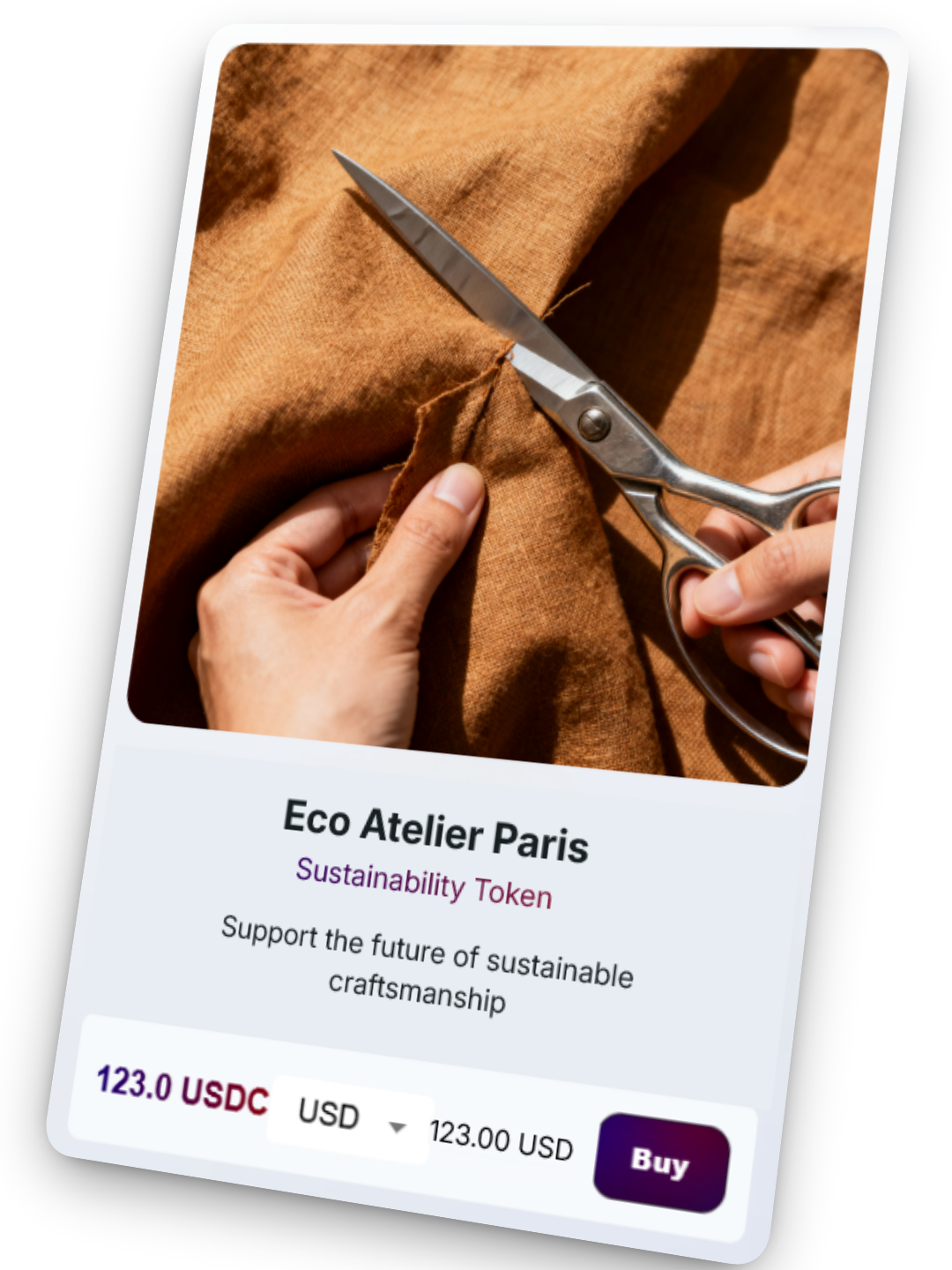
Identify the core behaviors that drive value for your brand. Research suggests that simple nudges about earning token-based points for achieved engagement can significantly increase user willingness to share content and interact with your platform. Focus on high-quality interactions, such as completing a purchase, writing a verified review, or referring a friend, rather than just passive clicks.
Users must see immediate, clear value in spending their tokens. Create a redemption catalog where tokens can be exchanged for discounts, exclusive access, or charitable donations. The key is to make the exchange rate transparent and the redemption process frictionless. If users cannot easily convert their tokens into something they want, the incentive structure collapses.
Prevent inflation by capping the total supply of tokens or adjusting the earning rate based on user activity. If you issue too many tokens without enough burn opportunities, the value of each token drops, and users disengage. Regularly audit your program to ensure that the cost of rewards matches the lifetime value of the engaged customers.
Before launching, verify that your mechanics align with your broader business goals. Use this checklist to ensure your tokenized engagement loop is ready for deployment:
-
Earning triggers are tied to high-value user actions.
-
Redemption options provide immediate, desirable value.
-
Token supply is capped or dynamically adjusted.
-
The exchange rate is clearly communicated to users.
-
Fraud detection measures are in place for earning and burning.
Integrate with existing CRM systems
Syncing on-chain token balances with off-chain customer data is the bridge that turns abstract blockchain records into actionable tokenized engagement. Without this connection, your loyalty program exists in a vacuum, unable to trigger personalized rewards or targeted marketing campaigns based on real-time holder activity.
1. Select a CRM-Blockchain Middleware
Most Customer Relationship Management (CRM) platforms like Salesforce, HubSpot, or Zoho do not natively support direct blockchain queries. You will need a middleware layer or a specialized plugin that acts as the translator between your database and the blockchain network.
Look for connectors that support the specific token standard you are using (ERC-20, ERC-1155, etc.). These tools typically provide API endpoints that can read wallet addresses and update customer profiles automatically.
2. Map Wallet Addresses to Customer Profiles
The core technical challenge is linking a public wallet address to a verified customer identity. Implement a "wallet verification" flow where users connect their wallets during login or checkout. Once verified, store the address in your CRM's custom fields.
Ensure this mapping is bidirectional. When a user spends tokens on-chain, the middleware must find the corresponding CRM record to update their loyalty tier. When you send a reward, the system must know which wallet address to credit.
3. Automate Data Sync via Webhooks
Manual syncing creates data lag that kills engagement. Configure webhooks to listen for specific on-chain events, such as Transfer, Approval, or Redemption. When these events occur, the middleware should immediately push the updated balance to your CRM.
This real-time sync allows you to trigger immediate actions: if a customer burns tokens to unlock a discount, their CRM profile should reflect this instantly, allowing support teams to see the new status without delay.
4. Maintain Data Privacy and Compliance
Blockchain data is immutable and public, but customer data is private. Never store personally identifiable information (PII) directly on-chain. Instead, store a hash of the customer ID or a pointer to your secure off-chain database.
This approach keeps your tokenized engagement strategy compliant with GDPR and CCPA. You can verify ownership of tokens without exposing sensitive customer details to the public ledger, ensuring that your loyalty program respects user privacy while leveraging blockchain transparency.
5. Test the Integration Flow
Before launching, run a sandbox test. Simulate token purchases, redemptions, and transfers. Verify that:
- Balances update in the CRM within seconds.
- Customer segments update automatically based on token holdings.
- Marketing triggers fire correctly based on the new data.
Fix any latency or mapping errors in this phase to prevent customer confusion during the official rollout.
Address regulatory compliance early
Before launching your tokenized engagement program, you must ensure the tokens do not qualify as unregistered securities. In the United States, the Howey Test determines whether a digital asset is an investment contract. If users buy tokens expecting profits derived from the efforts of others, the Securities and Exchange Commission (SEC) can classify them as securities. This classification triggers strict registration requirements and ongoing disclosure obligations that most loyalty programs cannot satisfy.
To avoid this risk, structure your tokens strictly as utility assets. The tokens should provide immediate access to specific goods, services, or experiences within your ecosystem, rather than acting as a store of value or speculative instrument. Broadridge notes that tokenization reshapes how assets are structured and serviced, emphasizing that firms must integrate these models into their existing governance frameworks. This means your legal counsel must review the tokenomics, distribution mechanics, and redemption terms to ensure the primary value is consumption, not appreciation.
Additionally, you must implement Know Your Customer (KYC) and Anti-Money Laundering (AML) protocols. Even if your tokens are not securities, financial regulations often still apply to the underlying fiat transactions or cross-border transfers. Failure to verify user identities or monitor for suspicious activity can result in heavy fines and program shutdowns. Consult legal counsel to ensure your compliance infrastructure meets these standards before the public launch.
Frequently asked questions about tokenized loyalty
Understanding how tokenized engagement works helps separate marketing hype from functional utility. These answers address common questions about tokenization in loyalty programs, focusing on practical application rather than abstract concepts.
No comments yet. Be the first to share your thoughts!