
The shift from points to ownership
Tokenized engagement in 2026 has moved past the speculative phase into practical utility. The industry consensus, highlighted at recent major conferences, confirms that tokenization is no longer a theoretical experiment but a functional tool for creators. This shift marks a departure from traditional loyalty programs, where points often expire or hold little value outside a specific platform.

Instead of accumulating digital stamps, fans now hold verifiable digital ownership. This transition mirrors broader market trends, with forecasts suggesting tens of billions of dollars in real-world assets will be tokenized by the end of the decade. For creators, this means building loyalty through assets that retain value and utility, rather than fleeting engagement metrics.
The result is a more resilient relationship between creator and audience. Fans are not just consumers; they are stakeholders with a tangible connection to the work they support. This ownership model transforms passive consumption into active participation, setting the foundation for the five strategies that follow.
Exclusive access through membership tokens
The era of static subscription tiers is ending. Creators are replacing fixed monthly fees with membership tokens, transforming loyalty programs into dynamic, tradable assets. Instead of a passive monthly charge, fans hold a digital key that grants entry to exclusive communities, early content drops, and real-time interaction with the creator. This shift moves the relationship from a simple transaction to an active stake in the creator’s ecosystem.
Unlike traditional platforms where access is locked behind a paywall that offers no exit, tokenized membership allows fans to resell their access if their interest fades. This liquidity creates a more efficient market for attention. The token itself becomes a signal of commitment, often unlocking tiered benefits that scale with the holder’s engagement or the token’s market value.

This model works best when the token serves as a functional gateway rather than a speculative investment vehicle. Here is how leading creators are applying this structure to build deeper, more resilient fanbases:
Creator membership token use cases
-
Voting rights on content direction
Holders vote on upcoming video topics, product designs, or event locations, giving the community direct influence over the creative output. -
Gated Discord and community channels
Token ownership automatically grants access to private Discord servers or forums, creating a verified space for high-value networking among fans. -
Early access to merchandise and drops
Members receive first dibs on limited-edition physical goods or digital collectibles, often with exclusive designs not available to the general public. -
One-on-one interaction opportunities
Holding the token unlocks eligibility for exclusive Q&A sessions, live streams, or personalized shoutouts, bridging the gap between creator and fan.
Revenue Sharing with Loyal Fans
The shift from one-off transactions to ongoing equity is the defining feature of creator tokenization in 2026. Instead of treating fans as passive consumers, creators now distribute digital tokens that function like shares in their personal brand. When the creator succeeds—through new content, higher engagement, or broader influence—the value of those tokens appreciates. This model aligns incentives: fans are financially motivated to support the creator’s growth, and creators have a direct stake in maintaining long-term audience loyalty.
This approach transforms the traditional sponsorship model. Rather than relying on ad revenue or brand deals that often conflict with artistic integrity, creators can generate income directly from their most dedicated supporters. The token acts as a membership pass and an investment vehicle simultaneously. Holders benefit from the creator’s success, creating a self-reinforcing cycle of engagement and revenue. This is not just about selling merch; it is about building a sustainable economic ecosystem where the audience owns a piece of the journey.
The mechanics are straightforward. Creators issue a fixed or dynamically adjusted supply of tokens on a blockchain. These tokens can be traded on secondary markets, allowing early adopters to profit if the creator’s popularity surges. For the creator, this means a steady stream of capital that scales with their audience size. It also provides a buffer against platform algorithm changes or policy shifts, as the revenue stream is decentralized and direct.
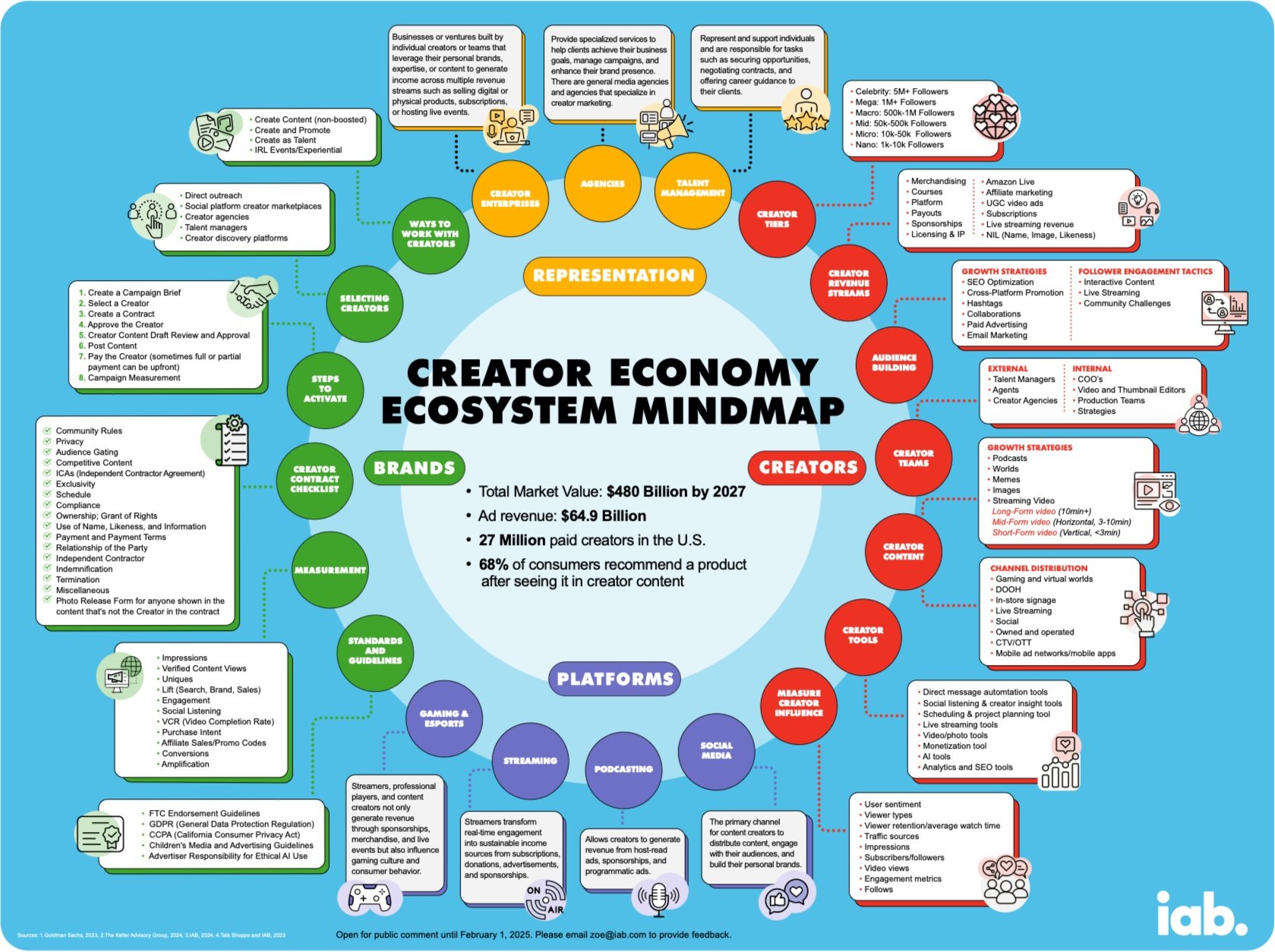
Visualizing this ecosystem helps clarify the flow of value. The following image illustrates how the creator economy is evolving into a more interconnected network where value circulates among creators, fans, and brands.
This model requires a new kind of relationship between creator and audience. It demands transparency and consistent output, as token holders are watching the bottom line. However, the reward is a deeply engaged community that feels personally invested in the creator’s success. In 2026, this is becoming the standard for top-tier creators who want to build resilient, independent businesses.
Governance and community direction
Tokenized engagement shifts the power dynamic from a monologue to a dialogue. Instead of guessing what fans want, creators can put creative decisions, product designs, and community initiatives directly to a vote. This mechanism transforms passive followers into active stakeholders who feel a tangible sense of ownership over the brand’s direction.
When a creator releases a limited-edition drop, token holders might vote on the color palette or the included accessories. This level of involvement ensures that the final product aligns with audience desires, reducing the risk of unsold inventory and increasing the perceived value of the purchase. It is a practical application of community-driven development, adapted for the creator economy.
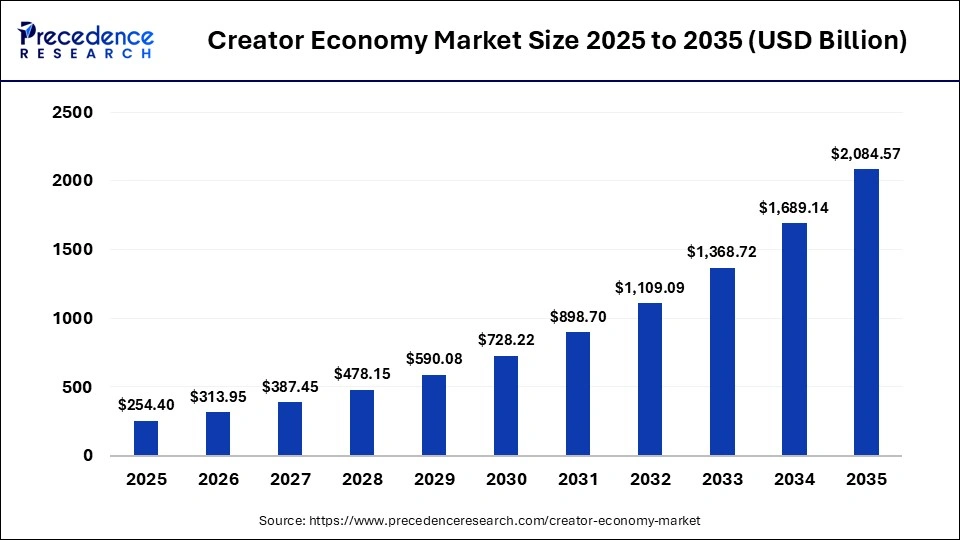
The scale of this shift is significant. As the creator economy continues to expand, the tools for governance are becoming more sophisticated and accessible. This growth reflects a broader move toward decentralized models where value and control are distributed among participants rather than held centrally.
This model also fosters deeper loyalty. When fans contribute to the outcome, they are less likely to churn. They become advocates, sharing their role in the creation process with their own networks. This organic advocacy is more powerful than traditional marketing, as it is rooted in genuine participation and shared success.
Navigating regulatory clarity in 2026
The SEC’s January 2026 statement on tokenized securities drew a hard line: if the underlying asset fits the definition of a security, the token representing it is subject to federal securities laws. This clarification forces creators to move away from speculative promises and toward compliant structures that offer tangible utility or equity.
Compliance is no longer optional; it is the foundation of trust. Creators are now structuring tokens to align with existing frameworks, ensuring that their audience understands exactly what they are buying. This shift has stabilized the market, with tokenized real-world assets growing by 266% in 2025 as institutional capital followed the rules.
By prioritizing legal clarity, creators protect their communities from regulatory backlash. The result is a more sustainable model where engagement is driven by genuine value rather than hype, securing long-term viability for both the creator and their supporters.
No comments yet. Be the first to share your thoughts!