
Define the token utility model
To build a compliant loyalty program, you must first distinguish between a speculative asset and a utility token. In the context of 2026 finance, this distinction determines whether your program is a marketing tool or a regulated security. The SEC has made it clear that tokenizing a security is possible, but it remains a security regardless of the format. Issuer-sponsored tokenized securities are subject to federal securities laws, meaning you cannot simply issue points as tokens and hope for a regulatory exemption.
A utility token for loyalty must provide access to a specific good, service, or digital experience within your ecosystem. It is not an investment contract. If the token’s value is derived primarily from the efforts of others or if it is traded on secondary markets with profit expectation, it likely fails the utility test. The tokenization of real-world assets often blurs this line, but loyalty points are distinct because they are redeemable only within the issuer’s closed loop.
Your model should focus on the functional rights the token grants. Can the holder redeem it for a discount? Does it unlock a premium service tier? These are utility functions. Speculative features, such as staking for yield or trading for capital appreciation, introduce securities risk. Keep the scope narrow and the redemption clear. This approach protects your program from the heavy compliance burden that comes with security classification.
Integrate AI for dynamic rewards
Static point systems are becoming obsolete as consumer expectations shift toward personalized, real-time value. By integrating artificial intelligence into your tokenized loyalty architecture, you move from reactive rewards to predictive engagement. AI algorithms analyze user behavior—such as purchase frequency, session duration, and category preferences—to adjust token value and distribution dynamically. This ensures that rewards feel relevant and timely, rather than generic and delayed.
The following steps outline how to implement AI-driven reward adjustments within your existing ledger infrastructure.
Begin by mapping high-value user actions to specific AI inputs. Instead of rewarding only transactions, include micro-interactions like app logins, referral shares, or content reviews. These signals provide the granular data needed for AI models to identify engagement patterns early, allowing your system to anticipate loyalty before a sale occurs.
Integrate your machine learning model with the smart contract or backend ledger managing token issuance. The AI should output dynamic parameters—such as multiplier rates or expiration windows—rather than fixed token amounts. This connection allows the system to automatically adjust the cost of rewards based on real-time user value, ensuring profitability while maintaining perceived worth for the customer.

Configure the system to process these AI outputs instantly. When a user hits a defined trigger, the token issuance rate should update immediately. For example, a user browsing a high-margin category might see their potential token yield increase by 20% for that session. This dynamic pricing of loyalty mimics market fluctuations, keeping the reward mechanism fresh and engaging.
Continuously track the impact of dynamic rewards on key metrics like retention rate and average order value. Use A/B testing to compare static vs. dynamic reward structures. If the AI begins issuing tokens too aggressively, adjust the risk parameters to prevent margin erosion. Regular calibration ensures the algorithm remains aligned with both user satisfaction and business financial goals.


As an Amazon Associate, we may earn from qualifying purchases.
This approach transforms loyalty from a cost center into a dynamic asset class. By treating tokens like financial instruments that respond to market (user) conditions, you create a more resilient and engaging ecosystem. The key is not just issuing tokens, but issuing the right amount at the right moment based on intelligent analysis.
Deploy dynamic NFT rewards
Dynamic NFTs allow loyalty programs to evolve based on user behavior rather than remaining static images. Instead of a fixed digital collectible, these tokens update their metadata to reflect a member’s status, spending history, or engagement level. This creates a membership tier that grows with the customer, enhancing perceived value without relying on financial speculation or secondary market trading.
To implement this, you must design a smart contract that triggers visual or attribute changes when specific conditions are met. For example, a bronze tier badge might morph into a silver version after a member reaches a certain purchase threshold. This mechanism ties the digital asset directly to tangible brand interactions, making the reward feel earned rather than purchased. Programs using this approach report higher retention rates because the asset itself serves as a visible record of the customer’s journey.
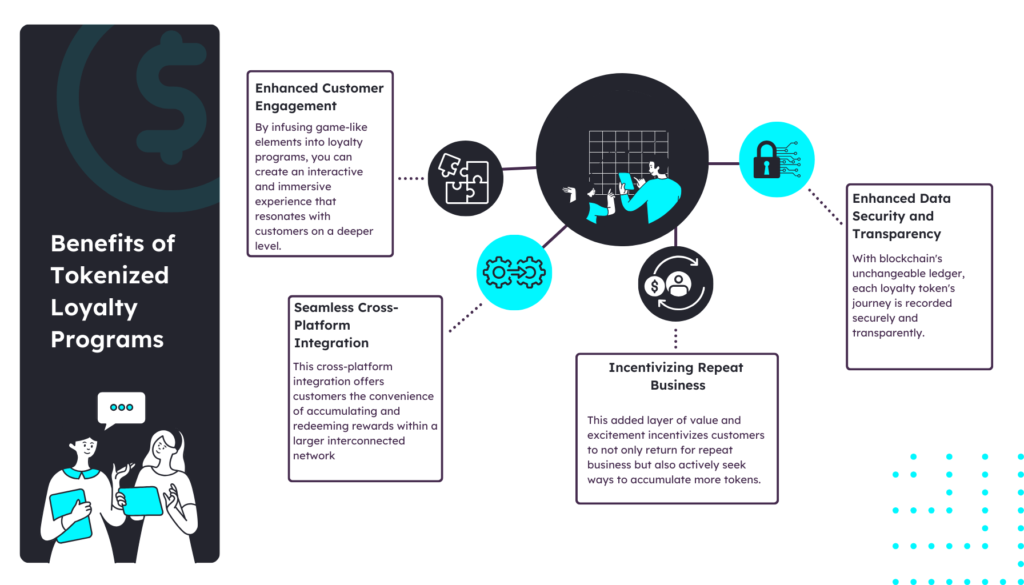
The technical setup requires a backend system that monitors transaction data and sends signals to the blockchain. When a user qualifies for a new tier, the smart contract mints a new version of the NFT or updates the existing token’s URI. This process ensures that the digital asset remains a reliable proof of status. By focusing on utility and progression, brands can create exclusive access passes that unlock real-world benefits, such as early product drops or VIP support, while maintaining a secure and transparent ledger of member achievements.
Ensure regulatory compliance
Building a tokenized loyalty program requires treating customer data with the same rigor as financial assets. Unlike traditional points, tokens often represent value on a public ledger, triggering strict obligations under anti-money laundering (AML) and know-your-customer (KYC) regulations. The Securities and Exchange Commission (SEC) has clarified that issuer-sponsored tokenized securities must adhere to existing federal securities laws, meaning your loyalty tokens cannot bypass compliance just because they run on a blockchain [src-serp-2].
Start by implementing robust KYC checks before users can mint or redeem tokens. This involves verifying identity documents and screening against sanctions lists to prevent illicit activity. Since 2026 marks an inflection point where compliance becomes programmable, you should embed these checks directly into the smart contract lifecycle or the onboarding flow, ensuring that only verified participants can interact with the tokenized assets [src-serp-5].
Data privacy is equally critical. While blockchain transactions are transparent, personal customer data must remain off-chain and encrypted. Ensure your architecture separates identity information from token ownership records to comply with GDPR and other privacy frameworks. Failure to segregate this data can expose your program to significant regulatory penalties and erode user trust. Treat every data point as a liability that requires explicit user consent and secure storage protocols.
Select the right tech stack
Building a tokenized loyalty program requires infrastructure that handles high transaction volumes without eroding margins. In 2026, the cost and speed of blockchain interactions dictate whether a loyalty program scales or stalls. You need a stack that balances the security of established networks with the low fees of modern layer-2 solutions. AI tools should layer on top to manage personalization without adding latency to the user experience.
Use this comparison to evaluate your primary blockchain options against your specific loyalty metrics.
| Network | Avg. Tx Cost | Finality | Best Use Case |
|---|---|---|---|
| Ethereum Mainnet | $2–$10+ | ~15s | High-value asset transfers |
| Polygon | <$0.01 | ~2s | High-frequency micro-rewards |
| Solana | ~$0.00025 | ~400ms | Real-time engagement tracking |
| Hyperledger Fabric | Internal | Variable | Private enterprise data |
Prioritize networks with proven uptime records and active developer ecosystems. For consumer-facing rewards, layer-2 solutions like Polygon or high-throughput chains like Solana reduce friction significantly. If your program involves sensitive customer data, consider private permissioned ledgers like Hyperledger Fabric for compliance. Pair this with AI-driven analytics to monitor token velocity and prevent fraud, ensuring your tech stack supports both growth and security.
-
Verify network transaction fees are below $0.01 per action
-
Confirm API stability for real-time reward redemption
-
Ensure AI integration supports personalized token offers
-
Check for compliance with local financial regulations
-
Test scalability under peak traffic loads
Common tokenization mistakes
Tokenized loyalty programs promise frictionless engagement, but poor execution can turn rewards into liabilities. The gap between a pilot and a scalable program usually comes down to user experience and regulatory compliance. Avoid these two critical pitfalls to protect your brand and your customers.
Over-complicating the user experience
Customers do not want to manage private keys or navigate complex wallets to redeem a coffee. If the redemption process requires more than two clicks, engagement drops. The token should be invisible to the end user, living behind a familiar interface. Prioritize seamless integration with existing apps over showcasing blockchain novelty. Image

Ignoring tax implications
Reward tokens are often treated as taxable income by authorities like the IRS when received or redeemed. Failing to account for this creates compliance risks and unexpected costs for users. Build automated reporting tools that track the fair market value of tokens at the time of issuance and redemption. Consult legal counsel to ensure your program structure aligns with local securities and tax laws.
No comments yet. Be the first to share your thoughts!