
Defining tokenized engagement costs
Tokenized engagement is not merely a marketing tactic; it is a financial liability that requires precise cost modeling. Unlike traditional points systems, which are often treated as simple marketing expenses, blockchain-based rewards appear on the balance sheet as potential future payouts or dilution events. This distinction fundamentally alters how brands must approach budgeting and risk management.
Every token issued represents a claim on the brand’s future value. When a customer earns a token, the company assumes an obligation that may require cash settlement, equity dilution, or the provision of goods and services at a future date. Ignoring this liability leads to inaccurate ROI calculations and potential financial exposure.
Research indicates that token-based incentives significantly increase user engagement and willingness to share content. However, this increased activity comes at a direct cost. Brands must model these expenses not as discretionary spend, but as a fixed operational cost of acquiring and retaining users. Failure to do so results in unsustainable loyalty programs that erode shareholder value.
Model token issuance and burn rates
Tokenized engagement relies on a precise balance between emission and destruction. Issuance drives immediate user participation, but burn rates determine long-term sustainability and cost efficiency. Without this equilibrium, loyalty tokens risk inflationary devaluation or unsustainable treasury drain. The following steps outline how to model these financial mechanics for accurate ROI forecasting.
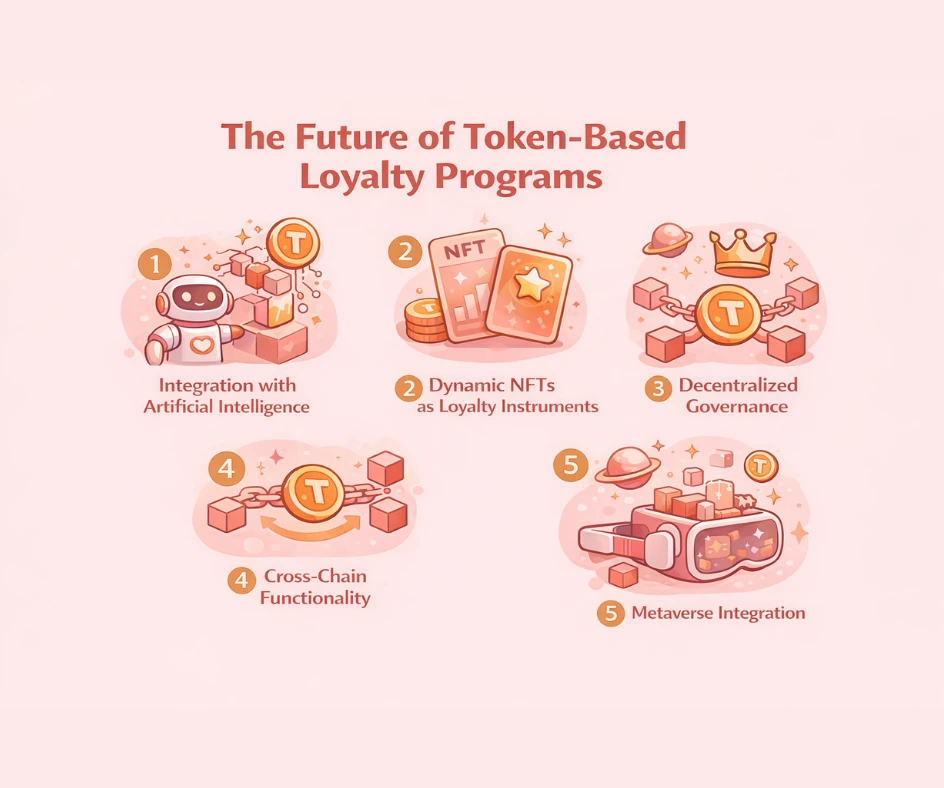
Start by establishing the base issuance rate. This is the volume of tokens distributed per active user action, such as a purchase or referral. Research indicates that blockchain-based smart contracts can effectively leverage gamified token rewards to boost behavioral engagement in sectors like eco-tourism. Set this rate conservatively to prevent immediate supply shock while remaining attractive enough to drive initial adoption.
Net emission is the difference between total issuance and total burns. Use the calculator below to input your projected user activity volume, issuance rate, and burn rate. This tool helps you visualize the net token supply change over a specific period, ensuring your program remains financially viable. Adjusting these variables reveals how sensitive your treasury is to fluctuations in user engagement.
Burn mechanisms reduce the circulating supply, supporting token value. Common strategies include transaction fees, redemption costs, or voluntary burning for exclusive perks. These mechanisms must be hard-coded into smart contracts to ensure transparency and trust. A well-designed burn rate counteracts inflation, turning user engagement into a deflationary force that rewards long-term holders.

Finally, stress-test your issuance and burn rates against worst-case scenarios. What happens if user activity drops by 50%? Does the burn rate still maintain value? If issuance outpaces burns during low-activity periods, your token may suffer from inflationary pressure. Regularly review these metrics to adjust parameters dynamically, ensuring the tokenomics remain aligned with your business goals.
Traditional vs. Tokenized Loyalty Cost Structures
The financial divergence between traditional loyalty programs and tokenized engagement models stems from how each treats liability and retention. Traditional systems treat points as static liabilities on the balance sheet, often leading to dilution and high breakage costs. Tokenized loyalty transforms these rewards into dynamic assets that appreciate or fluctuate with market demand, fundamentally altering the cost basis.
Cost Comparison Breakdown
| Metric | Traditional Points | Tokenized Loyalty |
|---|---|---|
| Liability Recognition | Static, fixed value per point | Dynamic, market-driven value |
| Breakage Rate | High (30-40% typically) | Low (active trading/usage) |
| Redemption Cost | Fixed internal cost | Variable, often lower |
| User Retention | Low (passive accumulation) | High (active participation) |
| Admin Overhead | High (manual reconciliation) | Low (automated smart contracts) |
The ROI Divergence
In traditional models, the cost of engagement is linear. Every point issued is a guaranteed future expense, regardless of whether the customer ever redeems it. This creates a "leaky bucket" scenario where marketing spend is lost to breakage or low-value redemptions.
Tokenized engagement introduces a market mechanism. Users are incentivized to hold, trade, or use tokens for high-value experiences, reducing immediate redemption pressure. This dynamic pricing allows brands to adjust reward costs in real-time based on user behavior and token liquidity, creating a more efficient capital allocation model.
Key Takeaways
- Liability Management: Tokens allow for dynamic liability adjustment, unlike static point systems.
- Reduced Breakage: Active token economies see significantly lower breakage rates, improving ROI.
- Operational Efficiency: Automated smart contracts reduce administrative overhead compared to manual point tracking.
Real-World Tokenized Engagement Examples
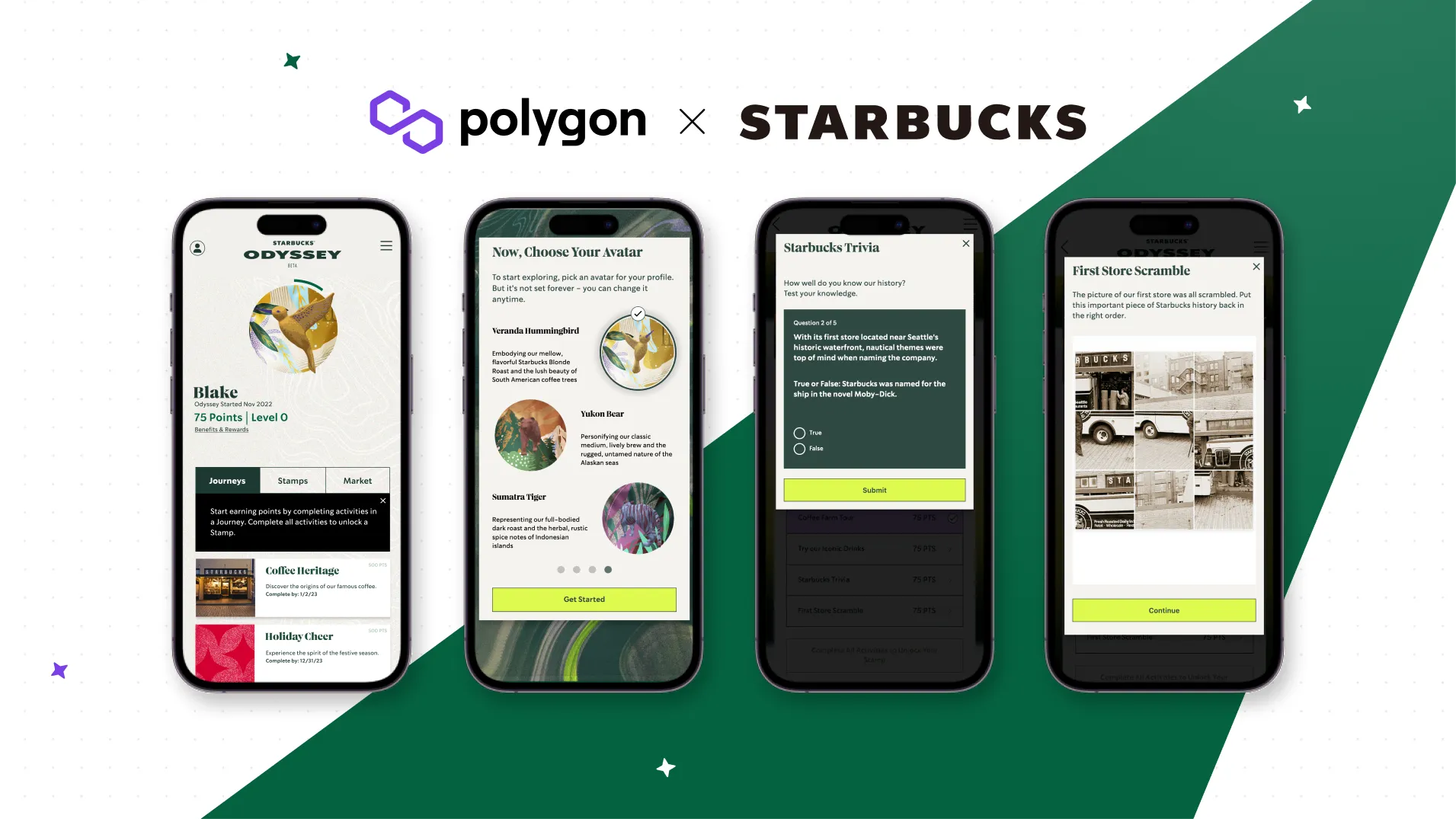
Tokenized engagement moves beyond digital collectibles to solve specific friction points in customer retention and operational verification. By anchoring rewards to verifiable actions, brands can lower acquisition costs and increase the lifetime value of their most loyal users. The following examples demonstrate how this model functions in practice.
Rise & Fame: The Tokenized Loyalty Infrastructure
Rise & Fame operates as a foundational layer for brands seeking to implement tokenized loyalty programs. The platform allows companies to issue utility tokens that reward specific consumer behaviors, such as purchases or social advocacy. These tokens are not merely speculative assets; they function as a closed-loop currency that drives repeat engagement within the brand’s ecosystem.
The mechanism relies on a clear value proposition: users earn tokens for high-value actions, and the brand retains control over the token’s utility. This structure reduces the need for traditional, high-cost discounting strategies while creating a transparent ledger of customer loyalty. The flow of tokens from user action to brand wallet and subsequent redemption creates a self-reinforcing engagement cycle.
Stamply: Verifying Physical Presence with On-Chain Rewards
Stamply addresses the challenge of verifying real-world interactions by combining physical presence verification with on-chain rewards. Traditional loyalty programs often struggle to track offline behavior accurately, leading to leakage and fraud. Stamply’s approach uses location-based data to confirm a user’s physical attendance at an event or store visit, then mints a tokenized reward directly to their wallet.
This method ensures that rewards are granted only for genuine engagement, significantly improving the return on investment for marketing campaigns. By linking physical actions to digital assets, Stamply creates a more accurate and trustworthy loyalty system that appeals to both brands and consumers seeking verifiable benefits.
Calculating ROI for tokenized programs
Vanity metrics like total token holders rarely reflect true program health. To measure actual return on investment, you must look at the relationship between customer acquisition costs and lifetime value. When token utility is tied to tangible brand value, engagement rates can increase by up to 300%, but only if the mechanics drive sustainable behavior rather than speculative churn.
Token velocity serves as a critical indicator of this health. High velocity often signals that users are treating tokens as a temporary trading asset rather than a loyalty mechanism. Conversely, low velocity with high retention suggests a sticky ecosystem where holders are actively participating in the brand’s value creation. You need to track how long tokens are held before being spent or traded to understand if the program is building long-term loyalty or just facilitating short-term speculation.
By comparing the projected annual return against the total program cost, you can determine if the tokenized approach is financially viable. This calculation helps separate effective loyalty drivers from expensive experiments that fail to retain users beyond the initial incentive phase.
Frequently asked questions about token costs
How do you value tokenized engagement for ROI? Valuation requires treating tokens as a liability on the balance sheet rather than just marketing expenses. You must account for the fair value of tokens at issuance and the subsequent changes in price. This approach captures the true cost of user acquisition and prevents the underestimation of loyalty program expenditures.
What are the regulatory and compliance costs? Compliance expenses vary by jurisdiction but often include legal fees for securities law analysis and ongoing reporting. In the US, if tokens are deemed securities, you face registration requirements under the SEC. These costs are fixed overheads that scale with the complexity of your tokenomics and the geographic distribution of your user base.
How does volatility impact loyalty program budgets? Price swings can erode the perceived value of rewards or spike your redemption costs unexpectedly. To mitigate this, many firms use stablecoins for redemption or hedge token exposure. Without these controls, a 20% drop in token value can leave users dissatisfied, while a surge can bankrupt a fixed-budget loyalty pool.
Is token engagement more expensive than traditional points? Initial setup costs are higher due to smart contract audits and blockchain integration. However, operational costs drop over time as automation reduces administrative overhead. The break-even point depends on user volume; for high-frequency interactions, the efficiency gains from smart contracts typically outweigh the initial technical investment.
No comments yet. Be the first to share your thoughts!