
Define the token utility model
Tokenized engagement works best when the token acts as a functional tool rather than a speculative asset. To build a utility model that drives retention, you must map specific user actions directly to token rewards. This approach shifts the focus from price appreciation to genuine participation within your ecosystem.
Start by identifying the core behaviors you want to encourage, such as content creation, community moderation, or consistent platform usage. Each action should have a clear, transparent reward structure. When users understand exactly what they get for their effort, they are more likely to return. Research indicates that simple nudges about earning token-based points for user engagements can significantly increase the willingness to share content and interact with the platform [1].
Avoid creating a system where tokens are primarily held for future resale. Instead, design mechanisms that require the token to be spent or used within the platform. This could include access to premium features, voting rights in governance, or exclusive merchandise. By tying the token to real-world or digital utility, you create a sustainable loop where value is generated through activity, not speculation.
Finally, validate your model by launching a small-scale pilot. Monitor how users interact with the reward structure and adjust the tokenomics accordingly. This iterative process helps ensure that the utility model aligns with user expectations and drives long-term loyalty rather than short-term hype [2].
[1] https://pmc.ncbi.nlm.nih.gov/articles/PMC10444751/ [2] https://onchain.org/magazine/leveraging-community-engagement-for-successful-token-launches/
Select the technical infrastructure
Building tokenized engagement requires matching your loyalty mechanics to the right blockchain and token standard. The wrong choice creates friction during onboarding or makes rewards too expensive to distribute. Use this sequence to pick infrastructure that scales with your user base.
Estimate your monthly reward redemptions. High-frequency programs (thousands of daily transactions) need Layer 2 solutions or high-throughput chains like Solana or Polygon. Low-frequency programs can use Ethereum mainnet or slower chains without breaking the bank on gas fees.
Calculate the cost per transaction. If gas fees exceed the value of a single loyalty point, users will abandon the program. Select a chain where the average transaction cost is negligible compared to the reward value. This keeps the experience frictionless for non-crypto natives.
Decide between fungible and non-fungible tokens. Use ERC-20 for simple point systems where every unit is identical. Use ERC-1155 if you need to manage multiple token types (e.g., points, badges, and exclusive access passes) in a single contract to reduce deployment costs and complexity.
Integrate real-world experience triggers
Bridging physical actions with on-chain rewards requires a reliable verification layer. Without a trusted oracle or identity protocol, brands cannot distinguish between a genuine visit and a fraudulent claim. Research indicates that blockchain-based smart contracts can effectively leverage gamified token rewards to enhance eco-tourism behavioral engagement, provided the off-chain trigger is accurately recorded [[src-serp-4]].
1. Select an Identity or Location Oracle
Choose a verification method that matches your user base. For location-based triggers, use geofencing or GPS-based oracles that confirm a user’s presence at a specific venue. For identity-based triggers, integrate decentralized identity solutions (DIDs) that allow users to prove membership or attendance without exposing sensitive personal data. This step ensures the integrity of the tokenized engagement loop.
2. Define the Smart Contract Trigger
Code the conditions that mint the reward. The smart contract should listen for specific events from your chosen oracle. For example, when the oracle confirms a user has scanned a QR code at an event, the contract automatically executes a token mint function. Keep the logic simple: verify the signature, check the user’s eligibility, and emit the reward. This minimizes gas costs and reduces the chance of contract failure.
3. Deploy and Test the Integration
Run a closed beta with a small group of users to validate the flow. Check that the token appears in their wallet within the expected timeframe and that the transaction fees are reasonable. Monitor for edge cases, such as users who lose their phone or have poor connectivity. Adjust the oracle’s retry logic if necessary to ensure a smooth experience.
4. Launch and Monitor Engagement
Once the integration is stable, open it to the public. Track key metrics such as redemption rates and repeat participation. Use this data to refine your loyalty program. If engagement drops, consider adding tiered rewards or limited-time bonuses to re-ignite interest. Consistent monitoring helps you maintain a vibrant tokenized engagement ecosystem.
Launch and manage community participation
A successful tokenized engagement program begins with a phased rollout that prioritizes trust over hype. Rather than broadcasting a hard launch date, start by validating your tokenomics with a small group of early adopters. This initial feedback loop allows you to catch technical glitches and adjust reward structures before they impact the broader user base.
Content authenticity is the foundation of this trust. Share transparent updates about your development progress, governance proposals, and how community feedback directly influences the roadmap. When users see their input reflected in the project’s evolution, they transition from passive holders to active participants.
Strategic partnerships amplify this effect. Collaborate with established Web3 communities or complementary projects to cross-pollinate audiences. Ensure these partnerships offer genuine value—such as exclusive access to tools or joint governance votes—rather than superficial shilling. As noted by onchain.org, community engagement validates your project early by affirming the right-track ideas and building trust faster than traditional marketing alone.
Finally, establish clear communication channels for ongoing management. Use Discord or Telegram for real-time support and governance discussions, but keep announcements centralized to avoid noise. This structure ensures that your tokenized engagement remains focused, sustainable, and aligned with your loyalty program's long-term goals.
Audit and maintain token sustainability
Tokenized engagement relies on long-term trust, which requires rigorous maintenance. Without active oversight, reward mechanisms can drift from their intended economic model, leading to inflation or regulatory friction. Treat your loyalty program like a living system that needs regular health checks.
Check reward rates and inflation
Monitor the token supply against the reward payout schedule. If the issuance rate outpaces the value capture or utility of the tokens, you risk hyperinflation that devalues user holdings. Adjust emission rates dynamically based on engagement metrics to keep the economy balanced. This prevents the "pump and dump" behavior that often kills Web3 loyalty programs.
Verify smart contract security
Even if the initial audit was clean, new vulnerabilities can emerge with ecosystem updates or layer-2 migrations. Schedule periodic re-audits of the smart contracts governing token distribution and redemption. Ensure that access controls remain restricted and that no unexpected functions have been exposed. Security is not a one-time event; it is an ongoing discipline.
Review compliance requirements
Regulatory landscapes for digital assets are shifting. Regularly review your token structure against current guidelines from bodies like the SEC or EU regulators. Determine if your tokens are classified as securities or utility assets in your target jurisdictions. Update terms of service and user agreements to reflect any changes in legal interpretation or enforcement priorities.
Frequently asked questions about tokenized engagement
Tokenized engagement describes the strategic methods used to encourage users to interact with tokens within a digital ecosystem. This interaction drives participation and value creation, fostering a vibrant environment. Research indicates that simple nudges about earning token-based points can significantly increase the willingness to share content and engage with platforms.
What is token engagement?
Token user engagement refers to the specific actions users take to interact with tokens. It is not just holding; it involves active participation such as staking, voting, or sharing. This activity is important because it drives user participation and value creation, fostering a vibrant and sustainable digital environment.
How do tokens improve loyalty?
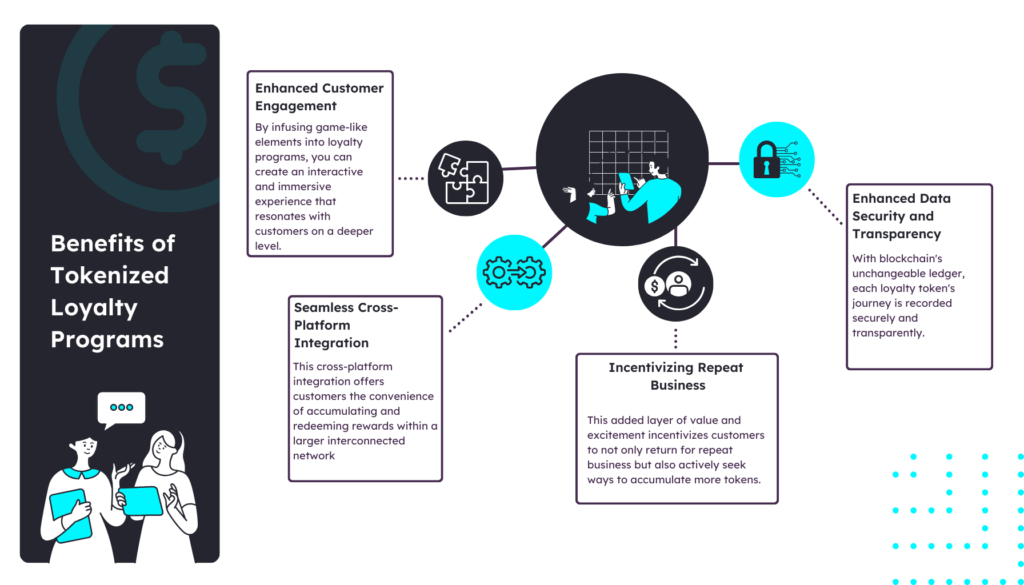
Tokens improve loyalty by aligning user incentives with brand goals. When users earn tokens for engagement, they feel a sense of ownership. This shifts the relationship from a transactional one to a participatory one, where users are invested in the platform's success.
Is tokenized engagement secure?
Security depends on the underlying blockchain and smart contract design. Reputable platforms use audited smart contracts to ensure that token rewards are distributed fairly and securely. Users should always verify the contract address and audit status before participating.
Can I lose my tokens?
Yes, token value can fluctuate based on market demand. Additionally, some programs may have vesting periods or conditions that must be met to claim rewards. Always read the terms of service to understand any risks associated with holding or using the tokens.
No comments yet. Be the first to share your thoughts!