
Get tokenized assets 2026 right
The shift from pilot programs to production-scale tokenization accelerated in 2026, led by the largest asset managers in traditional finance. With RWA tokenization hitting $60 billion across 7,000+ products, the window for early movers is open, but the compliance bar has risen sharply. Before you mint a single token, you must secure the legal and technical foundations that prevent costly regulatory missteps.
1. Choose an institutional-ready asset class
Not all real-world assets are created equal in the eyes of the SEC. While the total market cap is large, only specific categories—primarily U.S. Treasuries and short-term money market funds—have achieved institutional readiness. Avoid complex or illiquid assets like private equity or real estate for your initial launch. The regulatory clarity for cash-equivalent instruments is significantly higher, reducing your legal exposure.
2. Verify on-chain identity and transfer restrictions
Tokenization is not anonymous. You must implement robust identity checks and anti-money laundering protocols at the smart contract level. Use permissioned token standards that restrict transfers to verified wallets only. This ensures that your security tokens comply with Regulation D or Regulation S requirements, preventing unauthorized trading by unaccredited investors.
3. Select a compliant issuer and custodian
Partner with a registered broker-dealer or funding portal for the issuance process. Simultaneously, ensure that the underlying physical or financial asset is held by a qualified custodian. The separation of duties between the token issuer and the asset custodian is critical for auditability and investor protection. Do not self-custody the underlying collateral.
4. Draft the offering memorandum
Your legal team must draft a detailed Offering Memorandum (OM) that outlines the risks, fees, and redemption mechanics. This document is your primary disclosure tool. Ensure it clearly states that the token represents a security and is subject to SEC regulations. Ambiguity here is the fastest path to enforcement actions.
How to tokenize real-world assets under 2026 SEC rules
Tokenizing real-world assets (RWA) in 2026 is no longer about pilot programs; it is about production-scale compliance. The SEC has moved from observation to enforcement, meaning your tokenization workflow must align with securities laws from day one. This guide walks you through the exact steps to launch compliant tokenized assets, ensuring you avoid the regulatory pitfalls that have stalled earlier projects.
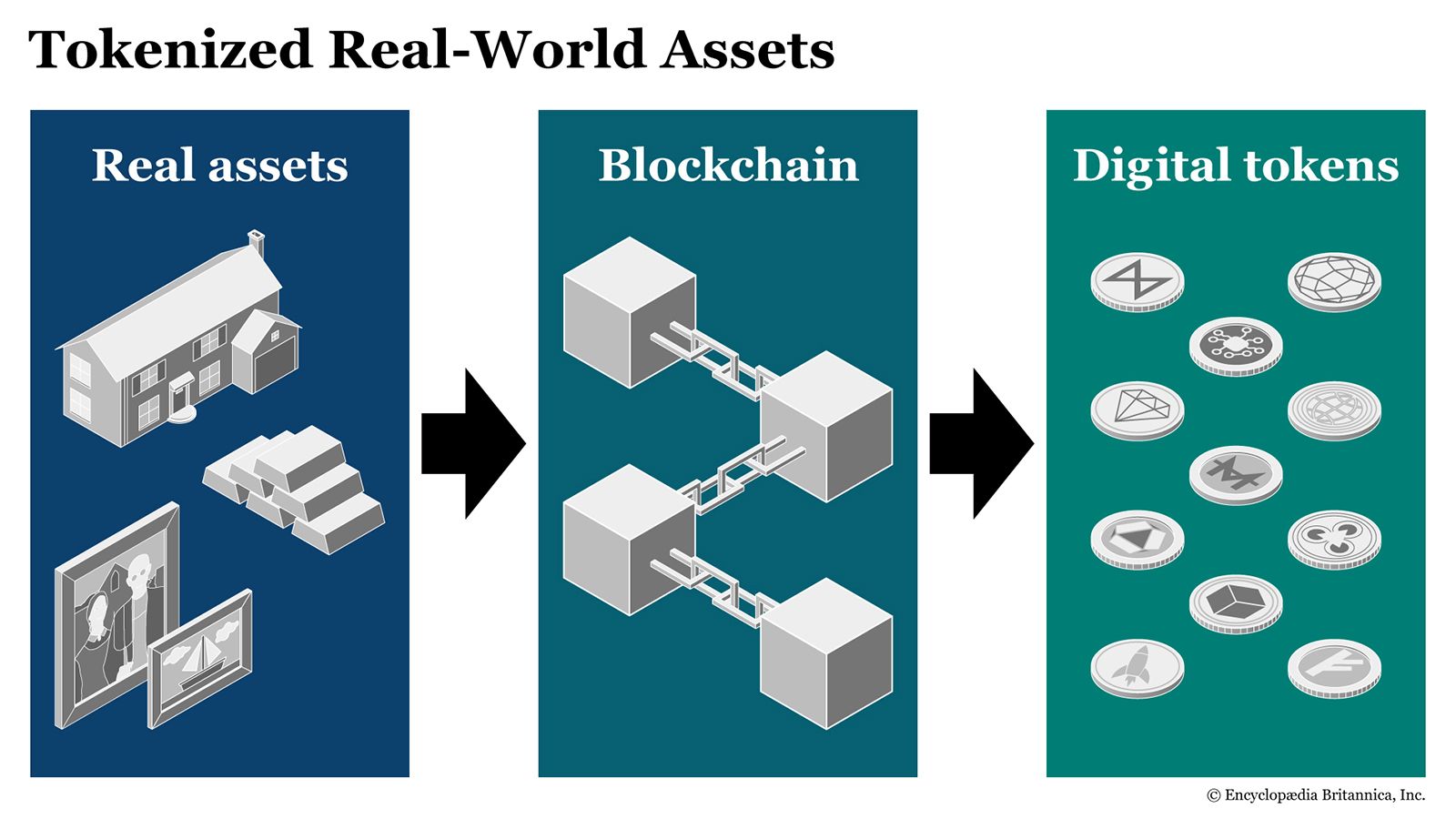
Before writing a single line of code, you must classify the underlying asset. The SEC’s Howey Test remains the primary benchmark for determining if a token constitutes an investment contract. If investors provide capital with an expectation of profit derived from the efforts of others, the token is likely a security. For RWAs like real estate or private equity, this classification is almost certain. Misclassifying a security as a utility token is the most common and costly error in 2026 compliance.

Once classified as a security, you need a legal pathway to issuance. Most 2026 RWA tokenization projects rely on Regulation D (for accredited investors), Regulation S (for offshore investors), or Regulation A+ (for retail investors). Each exemption has strict limits on investor numbers, verification requirements, and holding periods. You must map your target investor base to the appropriate exemption before designing your token structure. Mixing investor types without proper segregation can void your exemption entirely.
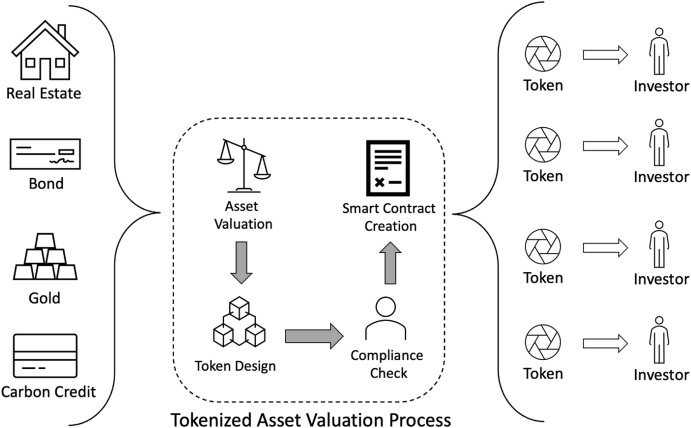
Legal exemptions are not enough; your blockchain infrastructure must enforce them programmatically. Use smart contracts with built-in transfer restrictions, such as whitelisting and identity verification at the wallet level. This ensures that only verified investors can hold or trade the token. Consider using established token standards like ERC-3643 (T-REX) or ERC-1400, which are designed specifically for security tokens. Manual compliance checks are too slow for 2026’s automated markets.
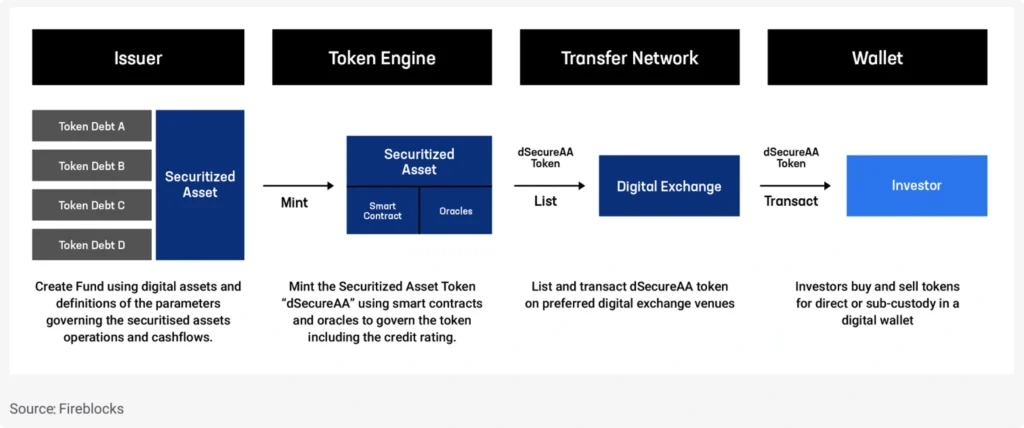
The SEC requires clear accountability for asset custody and shareholder records. Partner with a SEC-registered custodian to hold the underlying RWA (e.g., real estate deeds, private equity shares) and a qualified transfer agent to manage the on-chain ledger. This separation of duties reduces operational risk and satisfies audit requirements. Without a registered transfer agent, your tokenized securities may be deemed non-compliant, even if the smart contract is secure.
Before mainnet launch, engage independent firms to audit both your legal documentation and smart contract code. The legal audit verifies that your offering documents align with the chosen SEC exemption. The technical audit ensures your smart contracts are free from vulnerabilities that could be exploited to bypass compliance controls. In 2026, regulators expect proof of diligence. Skipping this step exposes you to liability if a flaw leads to unauthorized trading or loss of funds.
Common Mistakes in Tokenized RWA Compliance
Even with the $60 billion market cap achieved in 2026, many projects fail because they treat compliance as an afterthought rather than a core architectural requirement. The transition from experimental pilots to institutional production has exposed several recurring errors that lead to regulatory friction or project stagnation. Below are the most frequent pitfalls and how to avoid them.
Ignoring Jurisdictional Fragmentation
One of the biggest mistakes is assuming a single compliance framework applies globally. Tokenized real-world assets (RWA) often involve investors from multiple jurisdictions, each with distinct securities laws. A structure that works in the US may violate MiCA in Europe. Always map your investor base to specific regulatory regimes before finalizing your smart contract logic.
Overlooking Identity and AML Integration
Another critical error is failing to integrate identity verification and anti-money laundering checks directly into the token transfer mechanism. Simply verifying users at onboarding is insufficient if the tokens can be freely transferred to unverified wallets. Implementing on-chain identity verification or using compliant transfer agents ensures that only approved holders can trade the asset.
Neglecting Continuous Reporting
Many projects focus heavily on initial issuance but neglect ongoing reporting obligations. Regulators require regular updates on the underlying asset’s status, such as property valuations or dividend distributions. Automate these reporting processes through oracles or reliable data feeds to maintain transparency and avoid penalties.
Poor Asset Segregation
Failing to clearly segregate tokenized assets from the issuer’s operational funds is a major red flag. Ensure that the underlying real-world assets are held in a legally distinct entity or trust. This protects investors in case of issuer bankruptcy and clarifies the legal ownership of the tokenized claims.
Underestimating Legal Counsel Costs
Finally, many teams underestimate the cost and complexity of legal reviews. Tokenization involves novel legal structures that require specialized counsel. Budget for comprehensive legal opinions and regular audits to ensure your project remains compliant as regulations evolve.
Tokenized assets 2026: what to check next
Navigating the SEC’s 2026 rules for tokenized real-world assets requires more than just understanding blockchain mechanics; it demands a clear grasp of regulatory boundaries. As the market moves from pilot programs to production-scale operations, compliance has become the primary differentiator between viable projects and those that will face enforcement actions.
Is tokenized real estate fully SEC-compliant today?
Not entirely. While the broader RWA market hit $60 billion in 2026, only specific asset classes have achieved full institutional readiness under current SEC frameworks. Real estate tokenization often faces stricter scrutiny regarding liquidity and investor accreditation. Most projects currently operate under Regulation D or S exemptions, meaning they are compliant for now but lack the universal accessibility of traditional securities. You must verify the specific offering memorandum for each property rather than assuming blanket compliance.
How does the SEC view tokenized bonds compared to stocks?
Tokenized bonds are generally viewed more favorably by regulators because they represent debt obligations with clearer repayment structures. Unlike equity tokens, which imply ownership and voting rights that trigger complex corporate governance rules, bonds are simpler financial instruments. However, they still require strict adherence to disclosure requirements. The SEC expects the same transparency for tokenized bonds as for traditional fixed-income securities, including regular audits and timely reporting of interest payments.
What happens if a tokenized asset project ignores identity verification rules?
Ignoring identity verification and anti-money laundering protocols is the fastest way to trigger SEC enforcement. In 2026, the SEC has made it clear that anonymity is not a defense for tokenized assets. Projects must implement robust identity checks at the smart contract level or through the custodial layer. Failure to do so can result in severe penalties, including the freezing of assets and bans on future offerings. Compliance is not optional; it is the foundation of the entire ecosystem.
Can I trade tokenized assets on public exchanges without restrictions?
No. Publicly traded tokenized assets must be listed on SEC-regulated Alternative Trading Systems (ATS) or national securities exchanges. Trading them on unregistered decentralized exchanges is a violation of securities laws. Investors must use platforms that are registered as broker-dealers or ATS operators. This ensures that trades are reported, cleared, and settled in compliance with federal regulations. Always verify that the exchange you are using holds the necessary regulatory licenses before depositing any funds.
No comments yet. Be the first to share your thoughts!