
The Reality of Tokenized Engagement
Tokenization turns real-world ownership into digital tokens, but the mechanics of engagement often diverge from traditional asset holding. Research indicates that token rewards for user interactions can significantly increase the willingness to share content, including misinformation (PMC, 2023). This dynamic creates a unique constraint: engagement becomes a metric to be optimized, not just a byproduct of value.
For public issuers, tokenization means creating a digital representation of ownership rights using modern market infrastructure (Equiniti). However, the downside is clear. When engagement is tokenized, the focus shifts from long-term equity value to short-term interaction incentives. This can distort market signals and reduce the reliability of user data as a proxy for genuine asset confidence.
Consider a tokenized security. Unlike a traditional stock, where dividends are paid based on corporate performance, tokenized rewards may be tied to platform activity. This structural difference means that ROI in 2026 will depend less on passive holding and more on active, incentivized participation. Understanding this shift is critical for evaluating true returns.
Tokenized engagement choices that change the plan
Tokenization shifts how users interact with digital and physical assets by replacing traditional loyalty points or engagement metrics with blockchain-based tokens. This shift offers immediate liquidity and verifiable ownership, but it introduces distinct operational and behavioral risks that issuers must weigh against potential ROI. Understanding these tradeoffs is essential for determining whether tokenized engagement aligns with your specific market goals.
Liquidity vs. Regulatory Friction
Tokenized assets can be traded on secondary markets, providing users with immediate liquidity that traditional loyalty programs cannot match. This feature significantly boosts user retention and perceived value. However, this liquidity triggers securities regulations in many jurisdictions. Issuers must navigate complex compliance frameworks, such as KYC/AML requirements, which can slow down user onboarding and increase operational overhead. The tradeoff is clear: higher user engagement through liquidity comes with stricter legal constraints.
Engagement Quality vs. Misinformation Risk
Research indicates that token rewards can significantly increase user participation, but they may also incentivize low-quality or harmful behaviors. A study published in PMC found that token rewards for social media engagement increased the willingness to share misinformation alongside genuine news. Users may prioritize earning tokens over contributing valuable content, leading to a degradation in community quality. Issuers must implement robust moderation and reputation systems to ensure tokens reward meaningful engagement rather than mere volume.
Integration Complexity vs. Brand Innovation
Implementing tokenized engagement requires integrating blockchain infrastructure with existing CRM and loyalty systems. This technical complexity can strain development resources and require specialized expertise. However, successful integration can create innovative brand experiences, such as verifying physical presence for on-chain rewards, as demonstrated by platforms like Stamply. The tradeoff involves upfront technical investment and potential user friction (e.g., wallet setup) against long-term brand differentiation and data transparency.
Asset Backing vs. Market Volatility
Tokenized real-world assets (RWAs) are often backed by tangible value, but their market price can fluctuate based on broader crypto market trends. This volatility can erode the perceived value of rewards for users, leading to dissatisfaction if token prices drop sharply. Issuers must consider hedging strategies or stablecoin alternatives to mitigate this risk. The benefit is access to broader capital markets and fractional ownership, but the cost is exposure to external market forces that can destabilize the reward economy.
| Tradeoff Factor | Benefit | Risk | Mitigation Strategy |
|---|---|---|---|
| Liquidity | Immediate user trading | Securities regulation | Legal compliance frameworks |
| Engagement Quality | Higher participation rates | Misinformation sharing | Reputation systems |
| Integration | Brand innovation | Technical complexity | Specialized development teams |
| Asset Value | Fractional ownership | Market volatility | Hedging strategies |
How to evaluate tokenization ROI
Real-world asset tokenization is no longer just a tech experiment; it is a capital efficiency engine. But the ROI isn't automatic. You need to verify that the digital layer actually reduces friction for your specific use case. Here is how to assess whether a tokenized asset will drive returns in 2026.
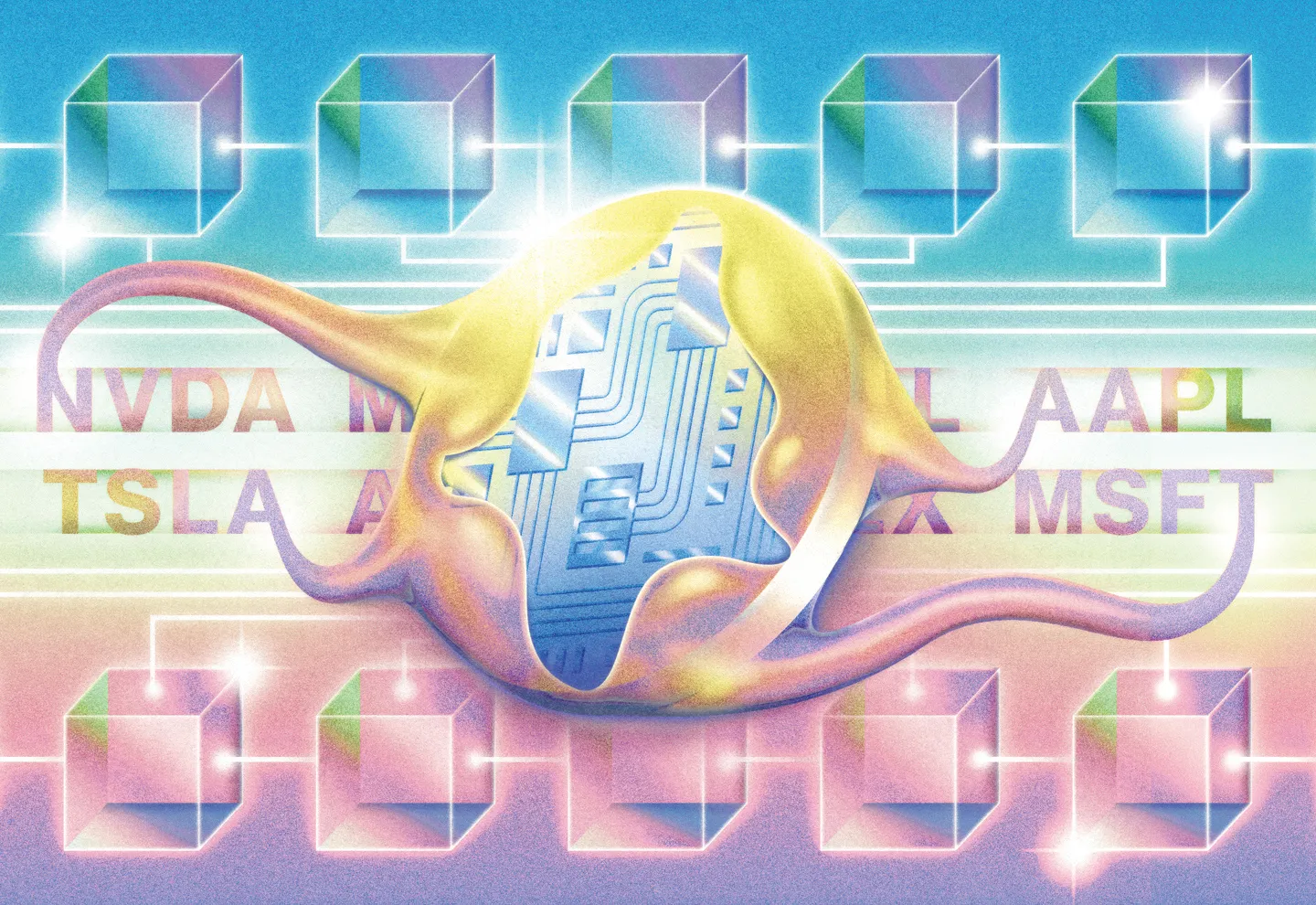
Tokenization only works if you can sell it. Start by checking if the asset class is permitted on the target blockchain. In 2026, the EU's MiCA framework and US state-level pilot programs have created clearer lanes for security tokens. If the legal structure is ambiguous, the liquidity premium disappears. Look for assets that are explicitly recognized as digital securities or compliant utility tokens in your jurisdiction.
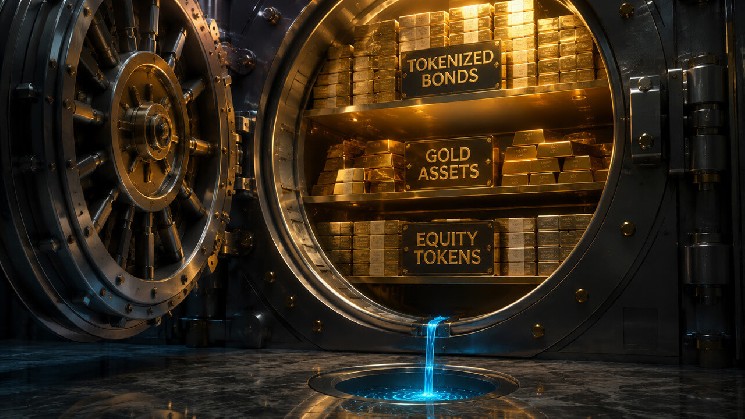
The main ROI driver is fractional ownership. Real estate or private equity traditionally locks capital for years. Tokenization breaks these into smaller units, potentially unlocking a secondary market. Calculate the spread between the traditional sale price and the projected secondary market trading volume. If the asset cannot trade frequently enough to cover transaction fees, the liquidity premium is negative.
Smart contracts should handle dividends, voting, or compliance checks automatically. This reduces administrative overhead, which is a direct cost saving. If you are tokenizing bonds or real estate, ensure the protocol supports automated yield distribution. The ROI comes from the time saved on manual reconciliation and the reduction of intermediary fees.
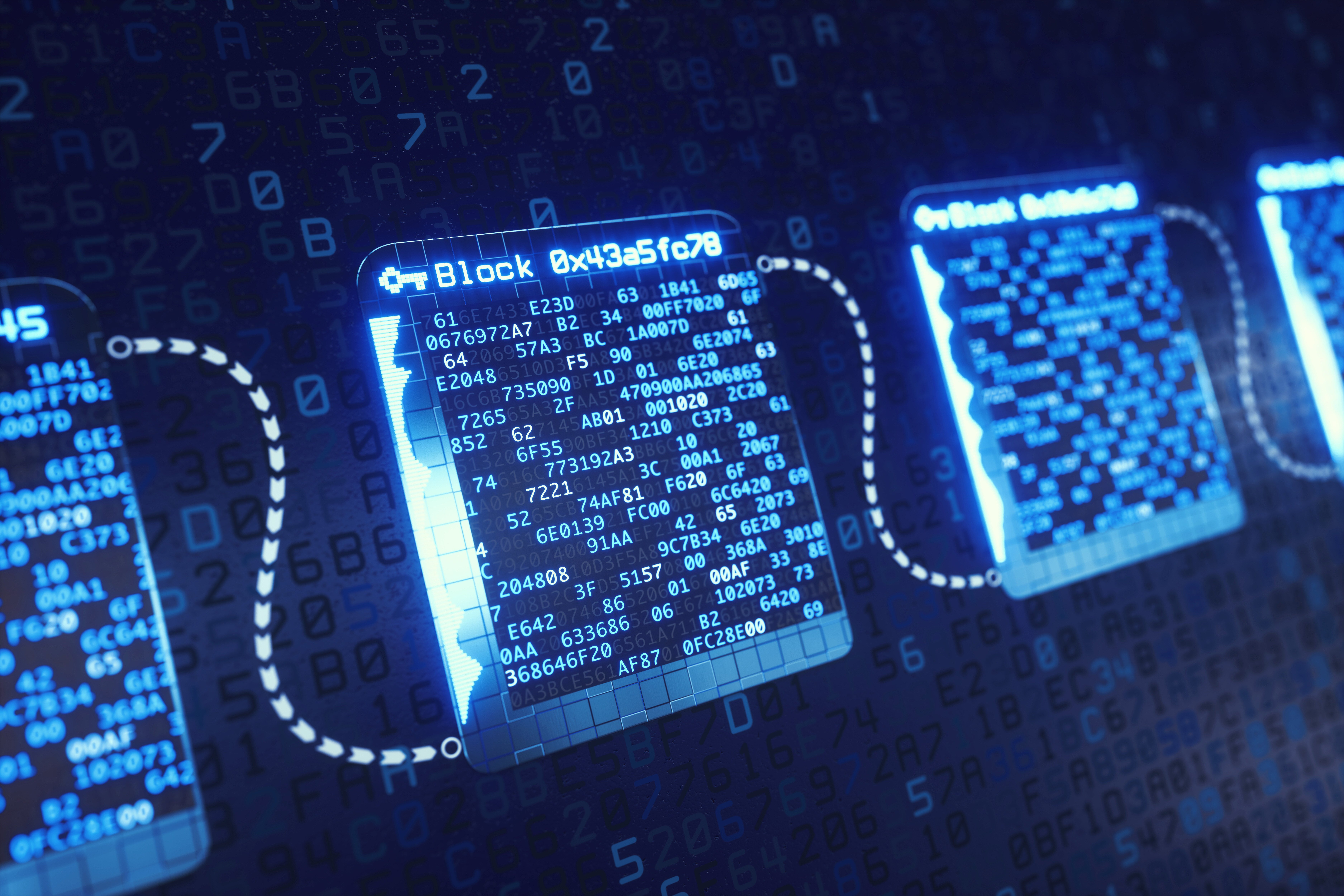
Your asset is only as good as the platform hosting it. Evaluate the blockchain's finality speed and gas fees. High fees on Ethereum mainnet can eat into small returns. Consider layer-2 solutions or specialized real-world asset (RWA) chains that offer lower costs. If the infrastructure is prone to congestion or high costs, the ROI model breaks down for smaller investors.
Spotting Weak Tokenization Claims
Not every digital asset delivers the promised ROI. As real-world assets move onto the blockchain, investors often encounter projects that prioritize hype over utility. Identifying these weak options requires a clear-eyed view of the underlying mechanics and the actual engagement metrics.
Misleading Engagement Metrics
Tokenization of social media engagements can increase the willingness to share content, including misinformation. If a project’s token value is driven by social activity rather than cash flow or asset backing, the engagement is likely hollow. Look for projects that tie token rewards to verifiable economic output, not just clicks or shares.
The Liquidity Illusion
A common mistake is assuming that tokenization automatically solves liquidity. While tokens can be traded 24/7, many lack deep order books. Without sufficient volume, even a tokenized real estate fund or treasury bill may be difficult to exit at a fair price. Always check the trading volume and the number of active market makers before investing.
Regulatory Gray Areas
Tokenized securities are not immune to regulatory scrutiny. A project claiming to be "compliant" without citing specific frameworks like Reg D or Reg S is likely taking a dangerous shortcut. Weak options often obscure their legal structure. Verify that the issuer has a clear path to regulatory approval in the jurisdictions where they operate.
Hidden Fees and Costs
Smart contracts can automate many processes, but they don’t eliminate costs. Gas fees, management fees, and custody charges can erode ROI. Some projects advertise low fees but hide costs in complex tokenomics. Compare the total cost of ownership against traditional asset management fees to see if the tokenization actually adds value.
Lack of Real-World Integration
The most successful tokenization projects bridge the digital and physical worlds seamlessly. If a project’s token has no clear use case outside of speculation, it is likely a weak option. Look for projects that integrate with existing financial infrastructure, such as banks or payment processors, rather than relying on a closed ecosystem.
Final Checklist for Investors
- Verify the underlying asset’s liquidity.
- Check for clear regulatory compliance.
- Analyze the token’s actual utility.
- Compare total costs against traditional alternatives.
- Ensure the project has real-world integration.
Tokenized engagement: what to check next
Before committing capital or infrastructure to real-world asset (RWA) tokenization, it helps to separate the marketing hype from the mechanical reality. The following answers address the most common practical objections and clarify how tokenized engagement actually functions in 2026.
What does "tokenized" mean?
At its simplest, tokenization means creating a digital representation of ownership or ownership rights using modern market infrastructure. Instead of holding a physical certificate or a traditional bank ledger entry, you hold a token on a blockchain that proves your stake. For engagement, this often means rewarding user actions—like sharing news or participating in eco-tourism—with tokens that have verifiable, on-chain value. This shifts loyalty from abstract points to liquid, tradable assets.
What is the downside of tokenization?
The primary downside is regulatory friction. While tokenization reshapes how funds are structured and distributed, firms must still integrate these models into strict governance and disclosure frameworks. There is also the risk of unintended behavioral incentives; research shows that token rewards can sometimes encourage low-quality engagement, such as sharing misinformation, if the reward mechanism isn't carefully designed. Additionally, liquidity can be fragmented across multiple chains, making it harder to manage positions compared to traditional securities.
What is an example of tokenization?
A clear example is Stamply’s tokenized brand initiative, which connects physical presence to digital rewards. By combining physical presence verification with on-chain rewards, Stamply allows brands to issue tokens only when a user is physically present at a location. This ensures that engagement is genuine and reduces fraud, providing a tangible link between real-world activity and digital ownership.
Can you give me an example of a tokenized security?
Tokenized securities are digital tokens that represent ownership in a real-world asset, such as equity, debt, or real estate. For instance, a commercial real estate fund might issue tokens that represent fractional ownership of a building. Investors can then trade these tokens on secondary markets, gaining liquidity that traditional real estate investments lack. This model is increasingly adopted by public issuers to streamline distribution and servicing, as noted by industry leaders like Equiniti and Broadridge.
No comments yet. Be the first to share your thoughts!