Get tokenized engagement right
Before you mint a single token, you need to align the mechanics with your community’s actual behavior. Tokenized engagement is not a marketing tactic you bolt onto a static audience; it is a behavioral loop that rewards specific actions with digital assets. If the prerequisites are off, the token becomes a liability rather than a loyalty driver.
1. Define the Behavioral Loop
Clarity beats complexity. You must identify the exact action you want to reward—whether it’s sharing content, attending live events, or creating user-generated material.
- Keep it simple: One primary action per token type.
- Ensure measurability: You must be able to track the action on-chain or via a verified oracle.
- Avoid ambiguity: Users should know exactly what they get and why.
2. Validate with Early Adopters
Don’t launch to the masses. Start with a small group of power users who understand the value proposition. This phase serves two purposes: it validates your tokenomics and builds trust faster by catching issues early.
- Test the reward frequency: Is it too generous? Too sparse?
- Gather feedback: Are users motivated by the token or just the novelty?
- Adjust parameters: Tweak the reward structure based on real data, not assumptions.
3. Set Up Risk Controls
Tokenization introduces new risks, including potential misuse and regulatory scrutiny. You must implement safeguards before going live.
- Prevent Sybil attacks: Use identity verification or proof-of-humanity protocols to ensure one person doesn’t create multiple accounts to farm rewards.
- Monitor for misinformation: Research shows that token rewards can increase the willingness to share all kinds of news, including misinformation. Implement content moderation that scales with engagement.
- Legal compliance: Consult legal experts to ensure your token structure complies with local securities and financial regulations.
4. Plan for Long-Term Sustainability
Tokenized engagement is not a one-time campaign. It requires ongoing management and community governance.
- Establish a governance framework: Let token holders vote on key decisions to foster ownership.
- Create a feedback loop: Regularly review engagement metrics and adjust tokenomics to maintain interest.
- Communicate transparently: Keep the community informed about changes and progress to maintain trust.
By following these steps, you can build a robust foundation for tokenized engagement that drives real, lasting loyalty.
Work through the steps
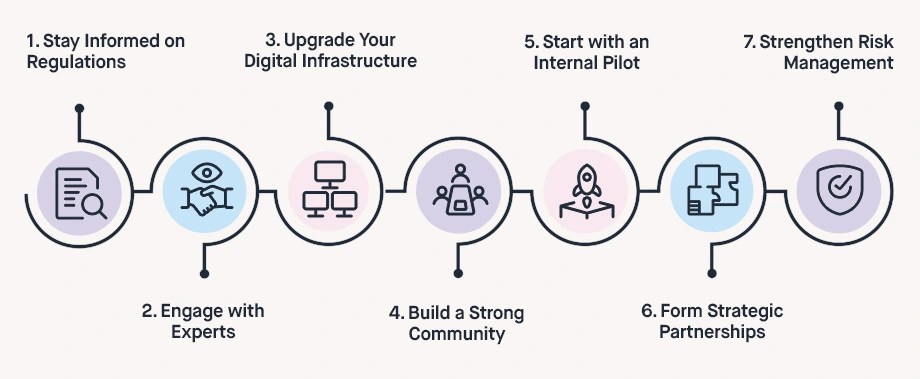
2026 guide: How Tokenized Engagement Drives Real-Time Community Loyalty works best as a clear sequence: define the constraint, compare the realistic options, test the tradeoff, and choose the path with the fewest hidden costs. That order keeps the advice usable instead of decorative. After each step, pause long enough to check whether the recommendation still fits the reader's actual situation. If it depends on perfect timing, unusual access, or a best-case budget, include a simpler fallback.
Fix common tokenization mistakes
Tokenized engagement promises loyalty, but the path to real community buy-in is littered with structural errors. Many projects treat tokens as a simple reward mechanism rather than a governance or access utility. This misunderstanding leads to empty wallets and silent communities.
The following mistakes are the most common reasons tokenized programs fail to sustain engagement. Identifying these pitfalls early allows you to correct the tokenomics before they become liabilities.
Misaligned Incentives
Rewarding volume over value creates noise, not loyalty. If users earn tokens for every click or share, they will optimize for quantity rather than quality. This often leads to spammy behavior or the spread of misinformation, as noted in research on tokenized social media engagements. Instead, tie rewards to meaningful actions like verified contributions, long-term holding, or active governance participation.
Ignoring Token Utility
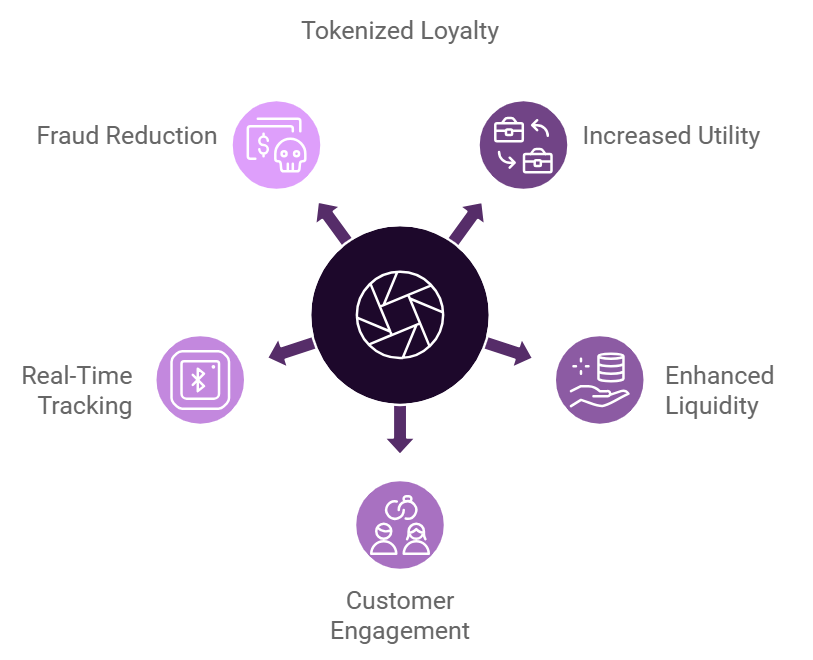
A token without a clear use case is just a speculative asset. If holders cannot vote on proposals, access exclusive content, or redeem rewards, the token loses its intrinsic value. Ensure the token serves a functional purpose within your ecosystem. This could be access to premium features, voting rights in community decisions, or a currency for internal marketplaces.
Poor Distribution
Uneven token distribution creates centralization risks. If a small group holds the majority of tokens, they can manipulate governance outcomes or dump their holdings, crashing the token price and destroying community trust. Implement fair launch mechanisms, vesting schedules for team tokens, and caps on individual holdings to ensure broad-based participation and long-term stability.
No comments yet. Be the first to share your thoughts!