
The shift from points to digital ownership
The era of opaque, non-transferable loyalty points is ending. Traditional programs treat rewards as liabilities on a balance sheet, locking customers into closed ecosystems where value evaporates if a brand goes under. In 2026, the market is pivoting toward tokenized engagement, where rewards are verifiable digital assets that users truly own.
This shift is driven by the rapid maturation of Real World Asset (RWA) tokenization. By early 2026, tokenized RWAs had grown to over $24 billion in total value, reflecting a 266% increase in 2025. This infrastructure now supports consumer-grade loyalty tokens that can be traded, held, or redeemed outside the issuing brand’s walled garden.
The growth trajectory of tokenized assets highlights a clear inflection point for consumer applications. While the broader RWA market hit $60 billion across 7,000+ products in 2026, consumer loyalty tokens represent the most accessible entry point for mainstream adoption. Unlike the speculative NFT boom of previous years, which has cooled into a smaller, more selective market, tokenized loyalty offers tangible utility.
Verifiable ownership changes the psychology of retention. When a customer holds a token, they hold a piece of value that exists independently of the issuer’s internal database. This transparency builds trust and reduces churn, as users are no longer trapped by points that cannot be used elsewhere. The transition from points to tokens is not just a technical upgrade; it is a fundamental rethinking of customer equity.
How AI Powers Dynamic Rewards
Static NFT stamps are relics. They sit in a wallet, unchanged, offering the same digital image regardless of whether the holder is a casual browser or a high-value advocate. Tokenized engagement changes this by replacing static metadata with living data streams. The reward updates itself based on real-time behavior, turning a passive collectible into an active loyalty instrument.
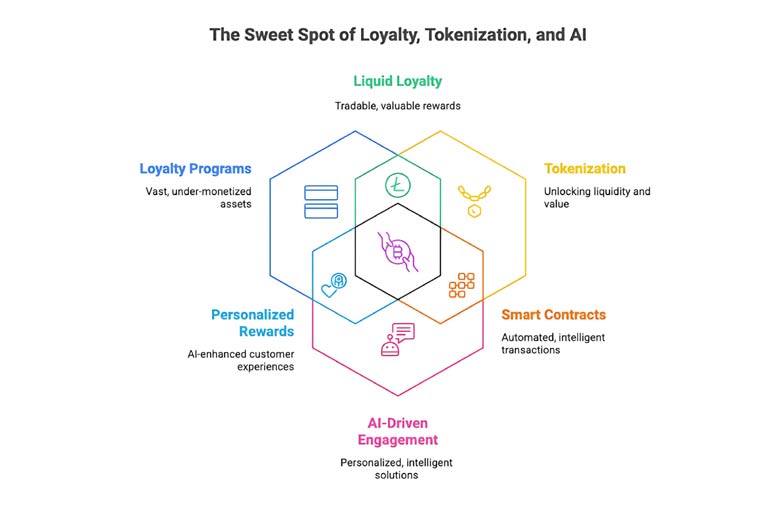
AI engines drive this transformation by acting as the bridge between off-chain user activity and on-chain token properties. When a user interacts with a brand—making a purchase, attending an event, or referring a friend—the AI processes this data. It then triggers a smart contract to mint or adjust the NFT's attributes. This could mean upgrading a visual tier, unlocking a new utility feature, or altering the token's supply cap. The result is a reward system that feels responsive rather than rigid.
This mechanism relies on oracles to feed real-world data into the blockchain. The AI analyzes patterns to determine the appropriate state change, ensuring the reward is both fair and aligned with brand goals. For example, a frequent flyer might see their digital loyalty card evolve from a bronze to a platinum tier automatically, with new visual elements appearing in their wallet. This continuous feedback loop keeps users engaged, as the asset itself becomes a reflection of their ongoing relationship with the brand.

Design a token utility loop that rewards retention
Traditional loyalty programs operate like closed gardens: points accumulate in a walled ecosystem with limited transferability. Tokenized engagement shifts this dynamic by treating loyalty assets as interoperable digital property. When brands design tokens that function across different platforms or partner networks, they create a utility loop where retention is driven by actual usage and access rather than speculative hype.
The goal is to build a system where holding a token grants tangible value, such as exclusive access to products or services, rather than just a promise of future price appreciation. This approach aligns with the broader 2026 shift where tokenization is redefining exclusivity by turning luxury products into verifiable, high-value digital assets [src-serp-2]. By focusing on utility, brands can foster deeper community engagement that persists beyond promotional campaigns.
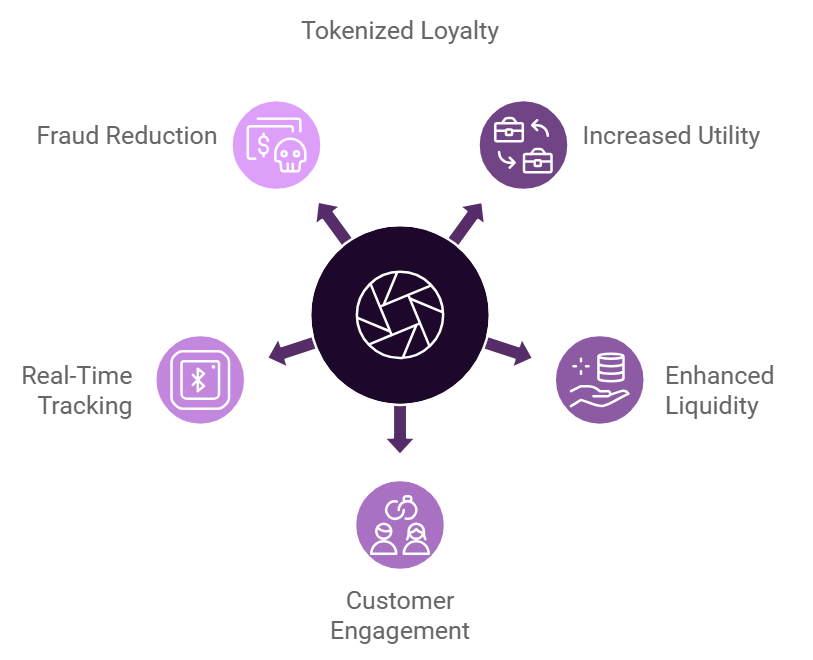
To illustrate the structural difference between legacy systems and modern tokenized models, compare the core mechanics below. This comparison highlights how ownership and transferability fundamentally change the customer-brand relationship.
| Dimension | Traditional Loyalty | Tokenized Engagement |
|---|---|---|
| Ownership | Points are liabilities held by the brand | Tokens are assets held by the user |
| Transferability | Non-transferable; locked to one account | Transferable; can be traded or gifted |
| Data Privacy | Centralized data collection | On-chain verification with user control |
| Interoperability | Siloed within the brand ecosystem |
Implementing this loop requires careful attention to token design. Avoid creating tokens that resemble volatile speculative instruments. Instead, anchor the token’s value in its utility—such as access to limited-edition drops, early voting on product features, or cross-brand rewards. This ensures the token serves as a key to a community rather than a stock to be traded, reducing churn and increasing long-term customer lifetime value.
Navigating Regulatory and Technical Hurdles
Tokenization in 2026 is no longer a speculative experiment; it is a high-stakes infrastructure play. While the global asset tokenization market is projected to reach $2.1 trillion this year, the gap between ambition and execution remains wide. Only a single asset class has achieved true institutional readiness, revealing that the technical and regulatory foundations are still fragile for most use cases.
Compliance is the primary bottleneck. Regulatory frameworks vary wildly across jurisdictions, creating a fragmented landscape where a token compliant in one region may be illegal in another. Projects must navigate evolving securities laws, anti-money laundering (AML) protocols, and data privacy regulations. Failure to integrate robust compliance layers from the outset can halt a project before it launches, as regulators are increasingly scrutinizing the on-chain identity of token holders.
Security risks are equally severe. The migration of real-world assets to blockchain introduces complex smart contract vulnerabilities. Unlike traditional finance, where errors can often be reversed, blockchain transactions are immutable. A single flaw in code or custody infrastructure can lead to irreversible losses. Institutional-grade infrastructure is therefore not optional; it is the baseline requirement for any serious tokenization effort.
The market has already corrected itself. As noted by industry analyses, the NFT boom has cooled significantly, with fewer platforms remaining active and trading volumes dropping. This contraction signals a shift away from hype toward utility and security. Investors and issuers are now prioritizing projects that demonstrate rigorous security audits and clear regulatory alignment over speculative novelty.
Implementing a tokenized loyalty strategy
Building a tokenized engagement program requires shifting from speculative asset issuance to utility-driven design. The market has matured past the hype cycle; successful brands now treat tokens as functional loyalty points rather than speculative instruments. This section outlines the operational steps to launch a compliant, user-friendly tokenized loyalty system.
Determine what the token actually does. In 2026, utility drives adoption. Tokens should unlock exclusive content, early access to products, or tangible discounts. Avoid vague promises of "future value." The token must solve a specific friction point in the current customer journey, such as fragmented rewards across multiple brands or slow redemption processes.

Choose a blockchain that balances cost, speed, and user familiarity. For consumer loyalty, layer-2 solutions or high-throughput chains like Solana or Polygon are often preferred due to low transaction fees. Enterprise brands may opt for permissioned ledgers for privacy. Ensure the infrastructure supports seamless wallet onboarding, including account abstraction, so users do not need to manage seed phrases.
Write the token logic using standardized, audited templates like ERC-20 or ERC-1155. Custom code introduces risk. Engage a reputable third-party auditor to review the contract for vulnerabilities before deployment. This step is non-negotiable for maintaining trust and protecting user assets. The audit report should be public to demonstrate transparency.

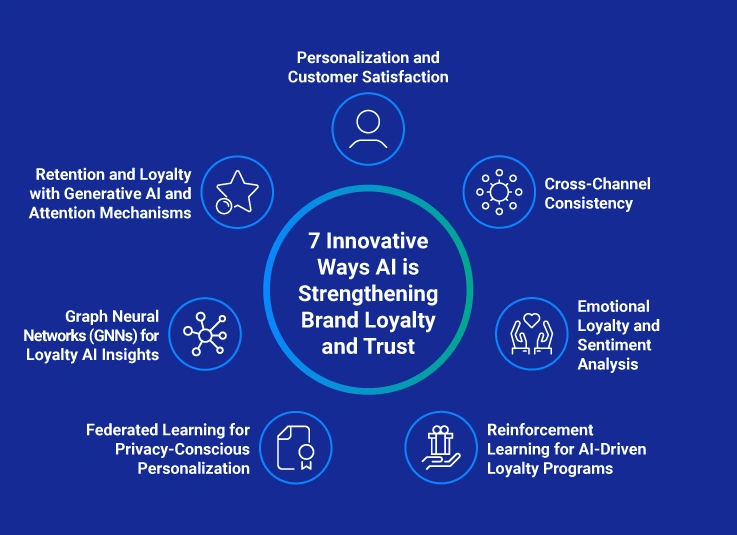
Deploy AI models to analyze token holder behavior in real time. Use this data to dynamically adjust rewards, offer personalized redemption options, or predict churn. AI allows the loyalty program to adapt to individual customer preferences, increasing engagement rates without manual intervention. This transforms static points into a responsive engagement layer.
Consult legal experts to ensure the token structure complies with local securities laws and consumer protection regulations. In many jurisdictions, tokens with perceived investment value may be classified as securities. Clearly disclose terms, redemption rights, and any limitations. Compliance is critical for long-term viability and avoiding regulatory backlash.
Common questions about tokenized loyalty
Tokenized loyalty programs are shifting from experimental concepts to core infrastructure for customer retention. As the market matures, brands and developers are asking specific questions about the current state of NFTs, market leaders, and the role of specific assets like XRP in this new economy.
Helpful gear
Use these product recommendations as a starting point, then choose the size, material, and price point that fit how you actually use the gear.


As an Amazon Associate, we may earn from qualifying purchases.
No comments yet. Be the first to share your thoughts!