
The 2026 tokenization landscape
The narrative around digital assets has shifted. In 2026, tokenization is no longer a speculative side quest for crypto natives; it is the infrastructure layer for real-world value. The market has moved past the novelty phase into a period of structural integration, where physical assets and financial instruments are being digitized to improve liquidity, transparency, and access.
This transition is driven by the rapid expansion of Real-World Asset (RWA) tokenization. According to data from RWA.xyz, the total value of tokenized RWAs grew by 266% in 2025, reaching approximately $24 billion by February 2026. This explosive growth signals that institutional capital and traditional finance are actively adopting blockchain-based settlement and ownership models.
The scale of this shift is becoming impossible to ignore. Forecasts from RedStone suggest that the market could reach $50–60 billion in tokenized assets by the end of 2026, a significant leap from the roughly $5 billion recorded in late 2023. This trajectory indicates that tokenization is evolving from a niche experiment into a mainstream financial utility.
However, the growth is uneven. A recent report, Real State of Tokenization in 2026, tracked roughly $60 billion across more than 7,000 products and 12 asset classes. While the headline numbers are impressive, the market remains heavily concentrated. U.S. Treasuries and money market funds dominate the landscape, while other asset classes like real estate and private equity lag behind in adoption and regulatory clarity.
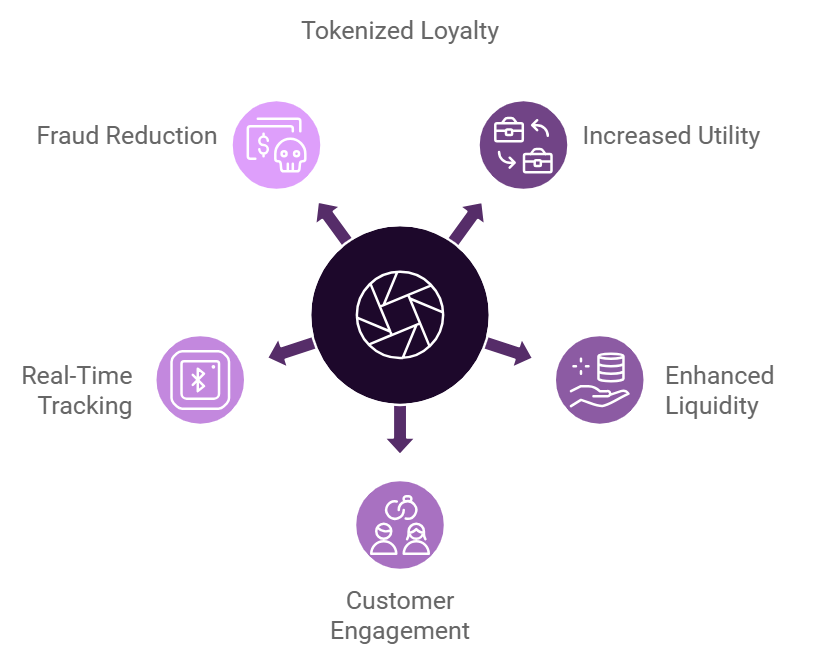
This concentration highlights the current reality of tokenized engagement 2026. The technology is proven, but its application is still finding its footing outside of low-risk, high-liquidity instruments. For brands and platforms, this means that tokenized rewards and loyalty programs must navigate a complex regulatory and technical environment. The opportunity lies not just in issuing tokens, but in creating genuine utility that bridges the gap between digital engagement and tangible value.
How AI personalizes tokenized rewards
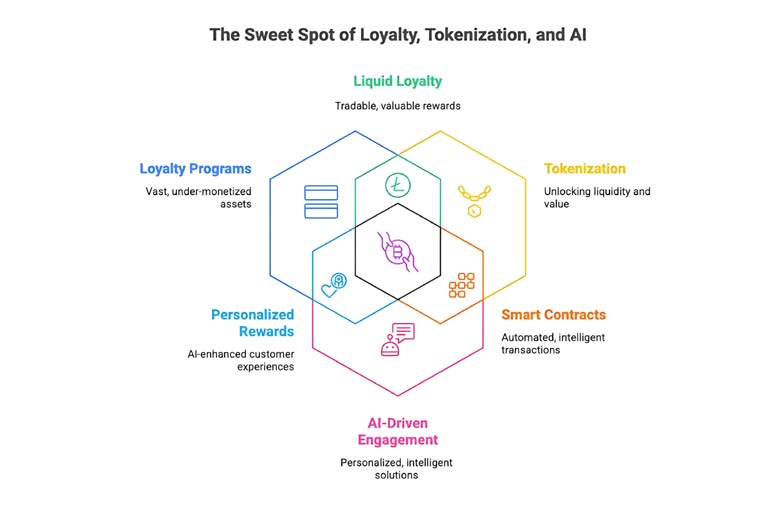
Traditional loyalty programs rely on static points that expire or hold little real-world value. AI-driven tokenized engagement changes this by treating rewards as dynamic digital assets. Instead of generic cash-back offers, algorithms analyze individual spending patterns to mint or assign tokens with specific utility. A user who frequently travels might receive tokens redeemable for lounge access or flight upgrades, while a daily commuter gets tokens for transit passes or coffee.
This personalization creates a feedback loop that traditional systems cannot match. Broadridge notes that tokenization is the next leap forward in financial services, re-architecting how markets and customer interactions function. By linking rewards to blockchain-based tokens, brands can offer liquidity that points never could. Users can trade, hold, or spend these tokens across partner ecosystems, turning passive points into active capital.
The result is deeper retention. When a reward feels uniquely relevant and immediately useful, the psychological stickiness of the brand increases. Tokenized engagement in 2026 is not just about giving more; it is about giving the right asset at the right time, backed by transparent, tradable value.
Traditional points vs. AI tokenized rewards
The shift from legacy points to AI-managed tokens represents a structural change in customer loyalty. Below is a comparison of how these two models perform across key metrics.
| Feature | Traditional Points | AI Tokenized Rewards |
|---|---|---|
| Personalization | Static tiers (Gold/Silver) | Real-time dynamic offers |
| Liquidity | Low (brand-locked) | High (tradable/transferable) |
| Data Usage | Basic purchase history | AI-driven behavioral analysis |
| Redemption | Fixed catalog only | Cross-partner ecosystems |
| Retention Impact | Declining engagement | Higher lifetime value |
Community ownership and verifiable exclusivity
Tokenized engagement 2026 shifts the power dynamic by turning customers into stakeholders. Instead of accumulating points that expire or lose value, users hold digital assets that represent a share of the brand’s ecosystem. This model creates a deeper emotional and financial tether, as the customer’s retention becomes directly tied to the long-term success of the community they help build.
Verifiable exclusivity acts as the primary driver for this ownership. Brands can issue limited-edition tokens that unlock access to physical products, private events, or premium services. Because these tokens are recorded on a blockchain, their scarcity and authenticity are immutable. This transforms luxury goods and special privileges into verifiable digital assets, preventing fraud and ensuring that only genuine holders receive the benefits. The result is a loyalty program where status is not just claimed, but proven.

This approach also facilitates cross-brand utility. A token earned from a purchase at one retailer can be used to redeem rewards at a partner service, creating a fluid economy that keeps the user within the broader network. As noted by industry analyses, tokenization is redefining exclusivity by making these digital assets high-value and transferable. By giving customers true ownership, brands reduce churn and foster a loyal base that actively promotes the ecosystem to others.
Technical chart for market context
Market performance and trends
Tokenized engagement is shifting from experimental pilot programs to active production deployments in 2026. The market is growing quickly, yet remains uneven, restricted, and heavily concentrated across a small number of major players. Recent tracking data indicates approximately $60 billion in tokenized real-world assets spread across more than 7,000 products and 12 distinct asset classes. Treasuries stand apart as the dominant category, driving the majority of institutional volume.
This acceleration is visible in broader market indicators. The following technical chart illustrates the growth trajectory of tokenized assets, reflecting the rapid movement from early experiments to full deployment across major asset classes as noted by the World Economic Forum in 2026.
For investors tracking immediate price action, the current market sentiment for key tokenized assets remains volatile. The widget below provides live pricing data to help gauge short-term momentum in this emerging sector.
Implementation checklist for brands
Launching a tokenized engagement program in 2026 requires more than just minting a reward token. It demands a structured approach that balances regulatory compliance, technical infrastructure, and genuine customer value. The market is growing rapidly, with roughly $60 billion in tokenized real-world assets tracked across over 7,000 products, but success depends on avoiding the uneven distribution that currently characterizes the sector [src-serp-3].
Follow this ordered checklist to evaluate and implement your strategy effectively.
Start by determining what the token represents. In 2026, successful tokenized engagement rarely stands alone; it is often tied to real-world assets or specific brand utilities like exclusive access or discounted services. Clearly define whether your tokens are utility-based or represent a share of value, as this distinction dictates your regulatory path.
Tokenization at scale brings significant legal scrutiny. Before deployment, consult with legal experts to ensure your program complies with securities laws, data privacy regulations (like GDPR or CCPA), and anti-money laundering (AML) standards. Failure to navigate these restrictions correctly can halt your launch entirely.

Choose a blockchain network that supports your transaction volume and cost requirements. For consumer-facing loyalty programs, low-fee, high-throughput networks are preferred over energy-intensive chains. Ensure your smart contracts are audited by reputable firms to prevent vulnerabilities that could compromise user assets or brand reputation.
Tokenized engagement should enhance, not replace, your current customer relationship management (CRM) tools. Integrate token wallets and transaction histories into your existing dashboards so your team can track user behavior, redemption rates, and retention metrics alongside traditional loyalty points.
Roll out the tokenized engagement system to a small, controlled group of users first. Monitor for technical glitches, user confusion, and regulatory feedback. Use this phase to refine the user experience and adjust tokenomics before a full-scale public launch.

Post-launch, continuously analyze token velocity, redemption patterns, and user retention rates. The tokenized engagement landscape in 2026 is dynamic; be prepared to adjust token rewards, utility features, or technical infrastructure based on real-world performance data and evolving market conditions.
Implementing these steps systematically reduces risk and positions your brand to capitalize on the growing tokenization trend. By focusing on compliance, utility, and user experience, you can build a sustainable tokenized engagement model that drives long-term retention.
No comments yet. Be the first to share your thoughts!