
What tokenized engagement actually means
Tokenized engagement is the process of converting user actions into digital assets recorded on a blockchain. When a user likes a post, shares content, or completes a purchase, that activity is no longer just a line item in a private database. It becomes a unique, verifiable token that represents a specific piece of value or achievement.
This distinction separates tokenized systems from traditional loyalty programs. Traditional points are centralized liabilities managed by a single company. They exist only within that company’s ecosystem and can be changed or revoked at will. Tokenized engagement, by contrast, creates digital ownership. As Equiniti notes, tokenization is the process of representing an entitlement in digital form, giving users a tangible stake in their interactions rather than just a promise of future discount.
The result is a shift from passive accumulation to active ownership. Users hold these tokens in their own wallets, meaning they control the data and the value generated by their engagement. This structure aligns incentives more closely, as the value of the token can reflect the true impact of the user's actions across different platforms, not just within one closed app.
Why traditional loyalty programs fail
Traditional loyalty programs operate as closed gardens. Brands issue points that function like monopoly money—useful only within their own ecosystem and often restricted to low-value rewards. This lack of transferability creates a dead end for the consumer. You cannot trade your airline miles for a coffee discount, nor can you sell unused points to someone who wants them. The value remains trapped, leading to low engagement and eventual abandonment of the program.
Beyond isolation, these systems suffer from opacity. Customers rarely know the true value of their points or how they are calculated. The rules change without notice, and redemption options shrink over time. This uncertainty erodes trust. According to industry analyses, a significant portion of loyalty points go unused annually because the effort to redeem outweighs the perceived benefit. When customers feel they are working for the brand rather than the brand serving them, the relationship becomes transactional and fragile.
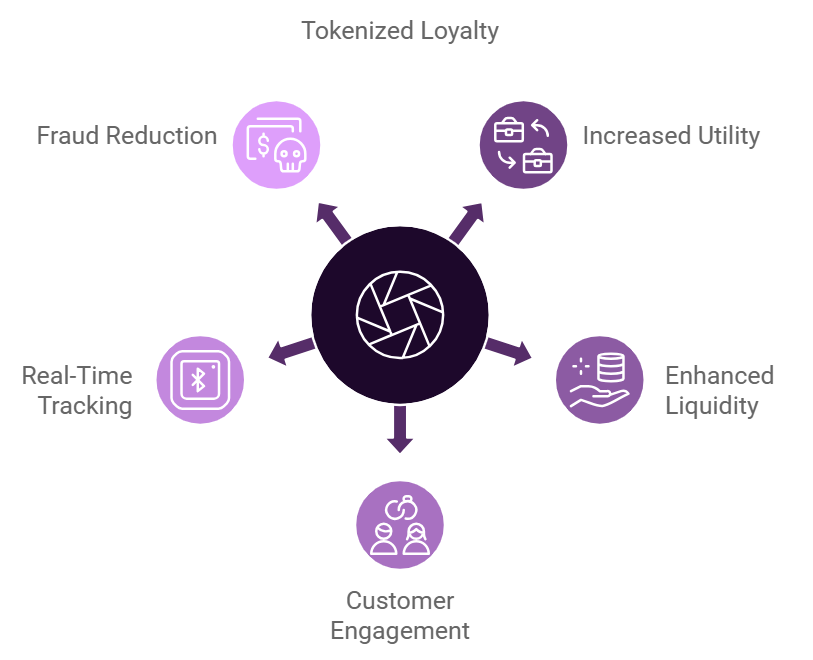
Tokenized engagement solves these structural flaws by turning points into digital assets. Unlike traditional points, tokens are transferable, transparent, and often hold real-world liquidity. They allow users to trade, sell, or exchange rewards across different platforms, creating a dynamic economy rather than a static ledger. This shift from passive accumulation to active ownership is what drives genuine loyalty. The brand stops asking for attention and starts providing utility.
Real-world examples of tokenized engagement
Brands are moving beyond static points systems by issuing tokens that represent verifiable actions. Unlike traditional loyalty programs where points are trapped within a single ecosystem, tokenized engagement creates digital assets that users can track, trade, or redeem across platforms. This shift turns passive customers into active participants who hold tangible value for their interactions.
Physical verification with Stamply
Stamply bridges the gap between offline events and on-chain rewards. By using location-based verification, the platform confirms that a user physically attended a concert, festival, or brand pop-up. Once verified, the user receives a unique token. This prevents fraud and ensures that rewards are only given for genuine, real-world participation, creating a permanent digital record of the experience.
Social media incentives and behavioral shifts
Token rewards are also reshaping how users interact with digital content. Research indicates that offering tokens for sharing news or engaging with posts increases participation rates across social media platforms. However, this mechanic requires careful design; studies warn that financial incentives can sometimes encourage the spread of misinformation if the reward is decoupled from content quality. Brands must balance engagement metrics with community trust.
Eco-tourism and gamified loyalty
The travel sector is leveraging smart contracts to drive sustainable behavior. In eco-tourism initiatives, blockchain-based tokens reward visitors for low-impact actions, such as using public transport or staying in certified green accommodations. These tokens function as gamified loyalty points, encouraging tourists to engage in environmentally friendly practices while providing the brand with verified data on sustainable consumption.
Traditional points vs. tokenized rewards
The fundamental difference lies in ownership and transparency. Traditional points are liabilities on a company's balance sheet, whereas tokens are assets held by the user. This distinction changes the power dynamic, giving customers more control over their rewards and reducing the risk of devaluation by the issuing brand.
| Feature | Traditional Points | Tokenized Rewards |
|---|---|---|
| Transferability | No | |
| Locked to brand | Often transferable | |
| Transparency | Opaque balance changes | |
| Ledger is private | ||
| Public ledger | ||
| User Control | Minimal | |
| Brand manages value | ||
| High | ||
| User holds asset |
Calculating the cost of token rewards
Running a tokenized engagement program requires treating tokens like a currency, not just a digital coupon. Before issuing rewards, brands must model the financial impact of minting costs, liquidity provision, and potential dilution. Without this framework, a loyalty program can quickly become a liability rather than an asset.
Minting and transaction fees
Every time a token is issued or transferred, blockchain network fees apply. These costs vary by chain but represent a direct operational expense. For high-frequency rewards, these micro-transactions accumulate. Brands should calculate the average gas fee per transaction and multiply it by the expected monthly volume of reward claims.
Liquidity provision costs
Tokens need liquidity to maintain value and allow users to trade or redeem them. Providing liquidity often requires locking capital in decentralized exchanges or paying for market-making services. This capital is tied up and represents an opportunity cost. Estimate the percentage of total supply you need to reserve for liquidity pools to ensure stable token performance.
Dilution and supply management
Issuing new tokens increases the total supply, which can dilute the value of existing tokens if demand doesn’t keep pace. This is the hidden cost of loyalty: devaluing your own currency. Model your monthly issuance rate against projected user growth. If you issue more tokens than new users bring in, the token’s purchasing power drops, eroding the reward’s perceived value.
This calculator provides a baseline for your direct minting expenses. Add liquidity and dilution costs to this figure to get your total cost of tokenized engagement.
Risks and regulatory downsides
Tokenized engagement promises deeper loyalty, but it introduces distinct structural risks. When financial incentives replace organic interest, the quality of community interaction often degrades. Researchers have found that token rewards increase the willingness to share all kinds of news, including misinformation, as users prioritize the payout over accuracy PMC10444751. This dynamic can poison community trust faster than organic growth can build it.
Regulatory scrutiny presents another significant hurdle. Many token structures resemble unregistered securities, particularly when they promise profit derived from the efforts of others. The SEC and other global regulators are increasingly focused on how these tokens are distributed and traded. Projects that fail to properly structure their tokens around actual utility, rather than speculative value, face the threat of enforcement actions that can halt operations entirely.
To navigate these challenges, projects must balance innovation with compliance. A high utility score relative to speculative promises lowers the likelihood of being classified as a security. Clear documentation and transparent tokenomics are essential for long-term survival in a tightening regulatory landscape.
Steps to launch a tokenized loyalty program
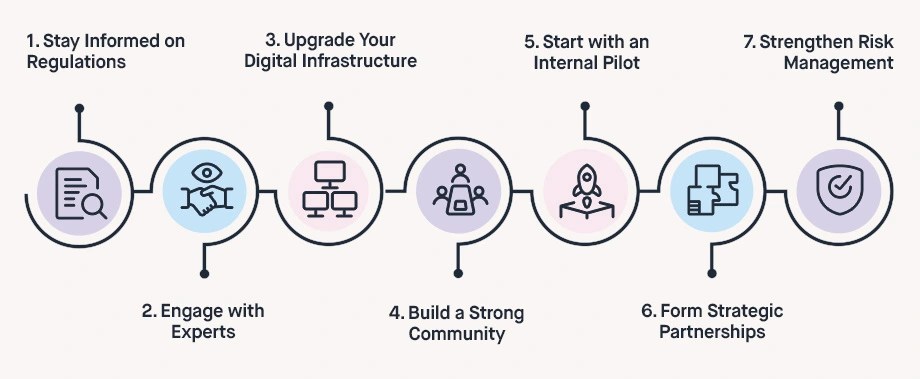
Building a tokenized engagement system requires careful planning to ensure the tokens hold real value for your customers. This checklist guides you from technical setup to community governance, ensuring your program drives genuine loyalty rather than speculative trading.
Choose a network that balances low transaction fees with security. Ethereum Layer-2 solutions or specialized loyalty chains often offer the best user experience for non-crypto-native customers. Avoid mainnet Ethereum for high-frequency rewards due to gas costs.

Determine what the token actually does. It should unlock specific perks, discounts, or exclusive content. If the token has no utility, it becomes a speculative asset that can destabilize your brand. Keep the supply model simple to avoid regulatory complexity.
Use audited, open-source templates for your initial deployment. Security is paramount; a single vulnerability can drain rewards and destroy trust. Consider using established platforms like OpenZeppelin for standard ERC-20 or ERC-1155 implementations rather than writing custom code from scratch.
Implement account abstraction or social login options. Most consumers will not manage private keys. Allowing email-based wallets lowers the barrier to entry, making the tokenized engagement program accessible to your entire customer base.
As your program matures, allow token holders to vote on new rewards or brand directions. This builds long-term loyalty by giving customers a stake in your company’s future. Start with simple polls before moving to on-chain voting mechanisms.
Frequently asked questions about tokenized engagement
What does it mean to be tokenized?
Tokenization is the process of representing an asset, ownership interest, or entitlement in digital form on a blockchain. In the context of loyalty, tokenized engagement converts traditional points into digital tokens that users actually own. This shifts the dynamic from a closed-loop system controlled by a brand to an open ecosystem where rewards can be transferred, traded, or redeemed across different platforms.
What is an example of tokenization in real life?
A practical example is Stamply, which combines physical presence verification with on-chain rewards. When users visit specific locations or participate in brand events, they earn tokens that are immediately recorded on the blockchain. Another example is found in eco-tourism, where blockchain smart contracts issue gamified token rewards to tourists for sustainable behaviors, such as reducing waste or using public transport.
What is the downside of tokenization?
The primary downside is the potential for unintended behavioral consequences. Research indicates that token rewards for user engagement can increase the willingness to share all kinds of news, including misinformation. When engagement is purely transactional, users may prioritize earning tokens over maintaining quality or truthfulness, which can erode the very trust brands are trying to build.
Is tokenized engagement worth the investment?
It depends on your goals. For brands seeking deeper community validation and faster trust-building, tokenized systems offer transparency and immediate feedback loops. However, the technical complexity and regulatory uncertainty require careful planning. It is best suited for organizations willing to treat loyalty as a participatory economy rather than a simple discount program.
No comments yet. Be the first to share your thoughts!