
Defining tokenized engagement
Tokenized engagement is the practice of converting user interactions into verifiable on-chain actions that carry real economic utility. Unlike traditional loyalty points that sit in a closed database, tokenized engagement ties participation directly to digital assets. This creates a system where value is not just promised but programmatically enforced through smart contracts.
It is critical to distinguish this from tokenism. Tokenism refers to the superficial inclusion of marginalized groups to create an appearance of diversity without substantive change. In the context of blockchain, tokenized engagement is about economic participation, not social optics. It focuses on how users interact with the protocol and how those interactions generate tangible value within the ecosystem.
When users engage with a tokenized system, they are not merely clicking buttons. They are contributing to network security, providing liquidity, or validating transactions. These actions are recorded on the blockchain, creating a transparent history of contribution. This transparency allows projects to reward genuine participation rather than passive ownership.
The distinction matters because it shifts the focus from marketing metrics to economic incentives. Projects that prioritize tokenized engagement build communities that are invested in the long-term health of the protocol. Users are motivated by the tangible benefits of their actions, such as governance rights or revenue sharing, rather than just brand loyalty.
The mechanics of value exchange
Tokenized engagement transforms abstract user activity into measurable, programmable value. At the core of this system are smart contracts—self-executing code deployed on a blockchain—that automate the link between a user’s action and the issuance of a reward token. Unlike traditional loyalty programs where points are managed in a centralized database and subject to arbitrary devaluation, tokenized rewards operate on transparent, immutable ledgers.
This automation eliminates the friction of manual verification and reduces the risk of fraud. When a user completes a specific task, such as sharing content, referring a peer, or completing a survey, the smart contract instantly validates the action against predefined criteria and mints the appropriate token amount. This immediacy reinforces positive behavior, creating a direct feedback loop that drives sustained participation.
Research supports the efficacy of this model. Studies indicate that the possibility of earning token-based points for user engagement significantly increases the willingness to share content and interact with platforms [[src-serp-1]]. By leveraging blockchain-based smart contracts, brands can create loyalty systems that are not only more engaging but also more trustworthy, as users can verify the rules and distribution mechanisms in real time [[src-serp-5]].
To understand the financial impact of this model, you can calculate the return on investment for your tokenized campaigns using the tool below. This calculator estimates ROI based on the value generated by tokens versus the total campaign spend.
Step 1: Define the engagement trigger
The first step in building a tokenized engagement system is identifying the specific user actions you want to incentivize. These triggers must be clear, measurable, and aligned with your business goals. Common examples include daily logins, content creation, social shares, or community governance votes.
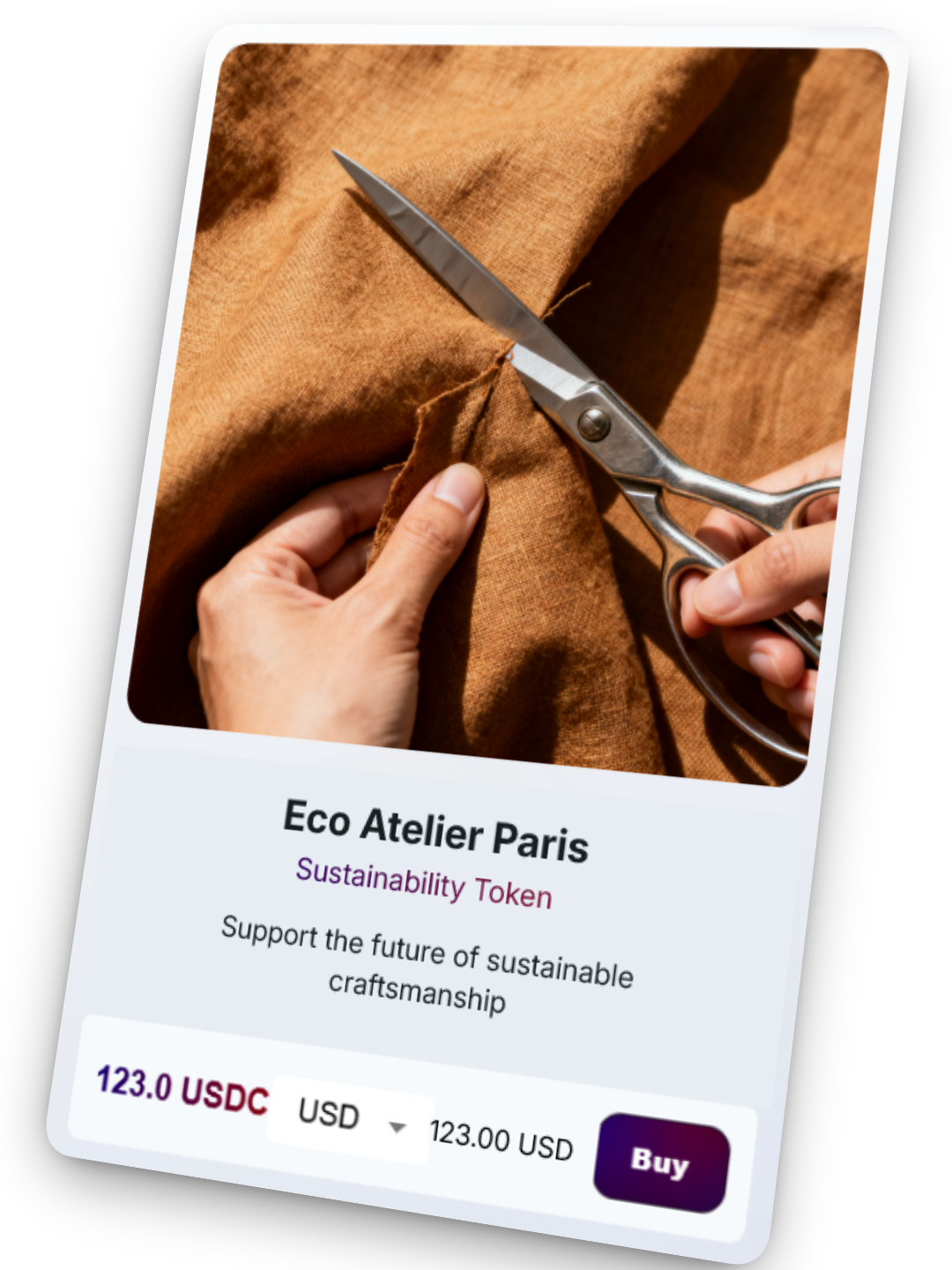
Identify the single most valuable action a user can take, such as sharing a post or referring a friend. This action becomes the primary trigger for the smart contract to issue a reward. Keep the criteria simple to ensure users understand exactly what is required to earn tokens.
Step 2: Configure the smart contract
Once the trigger is defined, the next step is coding the smart contract to handle the logic. This involves setting the token standard (e.g., ERC-20 or ERC-721), defining the reward amount, and establishing the conditions for issuance. The contract must be audited to ensure security and prevent exploits.

Deploy the smart contract on your chosen blockchain network. Ensure the contract includes functions to mint tokens upon successful validation of the user’s action. Transparency is key; the contract’s code should be open-source so users can verify the reward mechanisms themselves.
Step 3: Integrate and distribute
The final step is integrating the smart contract with your application interface and distributing the tokens to users. This requires connecting your front-end to the blockchain via web3 libraries. Once integrated, the system automatically handles the issuance process, ensuring that rewards are delivered instantly and accurately.
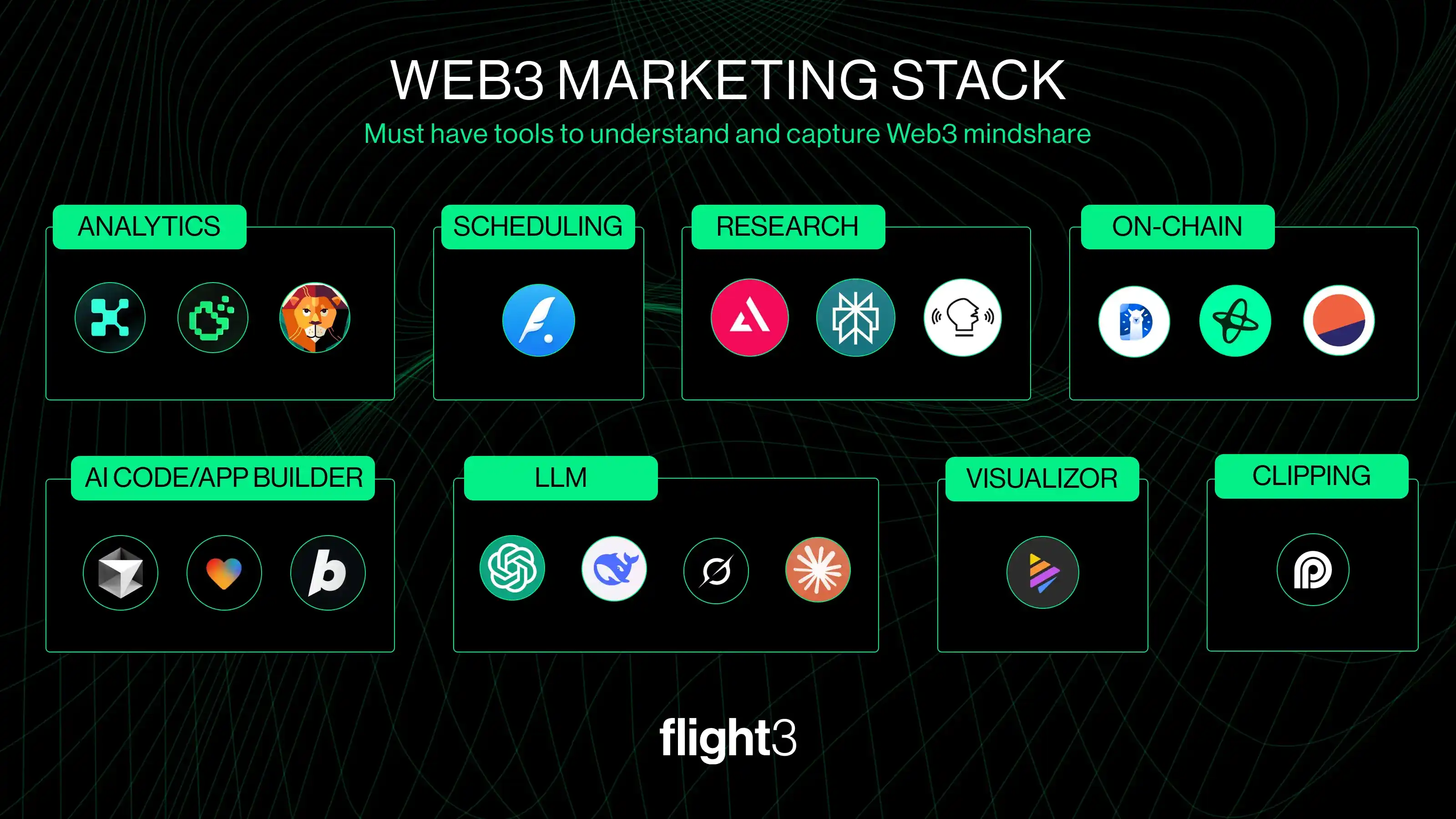
Connect your user interface to the smart contract using web3.js or ethers.js. When a user completes the defined action, the interface sends a transaction to the contract, which then mints and transfers the tokens to the user’s wallet. This seamless integration ensures a smooth user experience while maintaining the security of the blockchain.
Real-world application examples
Tokenized engagement moves beyond theoretical models by solving specific friction points in customer interaction. Brands are currently deploying these mechanisms to verify physical presence, reward sustainable behavior, and create secondary market value for digital assets.
Physical Verification and Brand Loyalty
Stamply addresses the challenge of verifying offline interactions by linking physical presence to on-chain rewards. When a user visits a partner location, the system verifies their presence and mints a tokenized reward. This creates a verifiable proof of engagement that traditional loyalty programs cannot replicate, as it is immutable and transparent. The token serves as both a receipt and a currency, bridging the gap between brick-and-mortar activity and digital ownership.
Eco-Tourism and Behavioral Incentives
Blockchain smart contracts are being leveraged to enhance eco-tourism engagement through gamified token rewards. Research indicates that tokenized incentives can significantly increase loyalty among travelers who prioritize sustainability. By automatically issuing tokens for verified green actions, such as staying in eco-certified accommodations or participating in local conservation efforts, brands can align their marketing goals with positive environmental outcomes. This approach transforms passive tourism into an active, rewarded contribution.
Post-Purchase Ownership and Commerce
Tokenized commerce extends the customer relationship beyond the initial transaction by providing verifiable proof of ownership. Niftmint notes that this model opens doors to post-purchase engagement, where tokens act as keys to exclusive perks or community access. Unlike traditional digital receipts, these tokens can often be transferred or traded, giving consumers a tangible asset rather than a static record. This shift encourages deeper brand interaction and creates a more dynamic ecosystem for customer retention.
Calculating true engagement ROI
Most projects confuse activity with value. A spike in daily active wallets means little if those users never return or if the tokens they hold are instantly sold. To measure tokenized engagement correctly, you must look beyond vanity metrics like raw transaction counts and focus on two core indicators: retention and token velocity.
Retention tells you whether your token utility creates lasting habits. If users return week after week to stake, vote, or redeem rewards, the token is functioning as a genuine loyalty tool. According to onchain research, community engagement validates a project’s direction early, building trust that sustains participation even when market prices fluctuate [[src-serp-2]]. Without this stickiness, tokens remain speculative assets rather than functional utilities.
Token velocity measures how quickly tokens change hands. High velocity often signals speculation—users buy and sell rapidly without engaging with the underlying protocol. Low velocity, conversely, suggests users are holding or locking tokens, indicating confidence in the ecosystem’s long-term value. By balancing these two metrics, you can determine if your tokenized engagement strategy is driving real economic activity or just noise.
Checklist: Defining Engagement Success
-
Define clear utility: Ensure tokens solve a specific problem or grant access to a service.
-
Set emission rates: Control supply to prevent inflation that devalues user holdings.
-
Establish burn mechanisms: Reduce circulating supply to reward long-term holders.
-
Plan for compliance: Ensure engagement mechanisms adhere to relevant regulatory standards.
Frequently asked: what to check next
What is tokenized engagement?
Tokenized engagement refers to the strategic use of digital tokens to reward and incentivize user interaction within a specific ecosystem. Rather than relying on generic loyalty points, this approach leverages blockchain technology to create verifiable, tradable, or utility-driven assets that reflect user activity. This method maximizes the value and utility of tokens through active participation, often leading to higher retention rates and more meaningful community contributions.
How does tokenized engagement differ from traditional loyalty programs?
Traditional loyalty programs typically operate on closed, centralized databases where points are non-transferable and often lack real-world liquidity. Tokenized engagement transforms these interactions into on-chain assets. This shift allows users to have verifiable proof of ownership and the ability to trade, stake, or use their rewards across different platforms. As noted by industry analyses, this transparency builds trust faster and validates community value early in the lifecycle of a project.
Why is tokenized engagement important for brand loyalty?
Tokenized engagement shifts the relationship from transactional to relational. By offering post-purchase engagement opportunities and exclusive access perks, brands can maintain contact with customers long after the initial sale. Research suggests that token-based incentives can significantly increase willingness to share content and engage with eco-tourism or brand initiatives, turning passive users into active advocates who have a vested interest in the platform's success.
Can tokenized engagement be used for community building?
Yes, it is a powerful tool for community building. Successful token launches often rely on community engagement to validate ideas and catch issues early. By rewarding users for providing feedback, participating in governance, or creating content, brands can foster a sense of ownership among their audience. This collaborative approach ensures that the community feels heard and valued, which is essential for long-term sustainability and growth.
No comments yet. Be the first to share your thoughts!