
Define the engagement loop
Before writing a single line of smart contract code, you must map the exact user action that triggers the token reward. This is the engagement loop: a closed circuit where a specific behavior—such as a purchase, a referral, or a daily login—automatically issues a digital asset to the user's wallet.
The goal is to ensure the value proposition is clear and the reward is immediate. If the connection between the action and the token is ambiguous, users will disengage. In 2026, successful programs tie token value to real-world brand interaction, not secondary market trading. Speculative rewards often lead to rapid dumping and churn, whereas utility-based rewards encourage retention.
Start by identifying the "golden action." This is the single most valuable behavior for your business. For a retail brand, it might be scanning a QR code in-store. For a SaaS platform, it could be completing a tutorial module. Define this action precisely. Then, determine the trigger. Does the token mint automatically upon completion, or does it require a manual claim? Automatic minting reduces friction and increases conversion rates.
Finally, verify the regulatory landscape. As noted in recent industry analyses, tokenized loyalty programs must navigate evolving compliance frameworks. Ensure your loop does not inadvertently create a security instrument by promising profit from the efforts of others. Keep the reward tied to consumption or engagement, not investment.
Select the one user behavior that drives the most value to your business. This could be a purchase, a referral, or a daily active usage metric.
Define the exact technical or manual step that initiates the token issuance. Prioritize automation to reduce user friction and prevent reward leakage.
Review local financial regulations to ensure the token is classified as a loyalty reward rather than a security. Consult legal counsel if the token has tradable value.
Choose the right token standard
Selecting the correct token standard is the first step in building scalable tokenized engagement. The standard you pick dictates transaction costs, gas fees, and how easily users can interact with your dApp. A mismatch here creates friction that no amount of marketing can fix.
ERC-721 for Unique Assets
ERC-721 remains the standard for one-of-a-kind items like digital art, real estate deeds, or unique membership passes. Each token is distinct and cannot be subdivided. This model works well when individual ownership history matters, but it becomes expensive quickly if you need to issue thousands of identical items.
ERC-1155 for Bulk Efficiency
ERC-1155 handles multiple token types in a single contract. It is ideal for gaming economies, bulk loyalty points, or mixed asset classes. By batching transfers, it significantly reduces gas costs compared to issuing individual ERC-721 tokens. Use this when your engagement strategy relies on volume and speed rather than unique provenance.
Account Abstraction for Invisible UX
Account abstraction (ERC-4337) changes how users sign transactions. It allows sponsored gas fees, social recovery, and batched actions. For tokenized engagement, this means users don't need to manage complex wallets or hold native gas tokens. It removes the biggest barrier to entry for mainstream adoption.
| Standard | Best Use Case | Relative Cost | Dev Complexity |
|---|---|---|---|
| ERC-721 | Unique assets (NFTs, deeds) | High | Low |
| ERC-1155 | Bulk items, gaming, mixed types | Low | Medium |
| Account Abstraction | User experience, sponsored gas | Variable | High |
Decision Framework
Start with your user's primary action. If they are buying one unique item, ERC-721 is sufficient. If they are earning points or trading game items, ERC-1155 saves them money. If you are targeting non-crypto natives, prioritize account abstraction to hide the blockchain's complexity. The goal is to make the token invisible to the user while keeping the backend secure.
Integrate dynamic NFT logic
To turn a static token into a living engagement tool, you must connect on-chain assets to real-world data. This requires a workflow where user actions trigger data updates, which then reflect in the NFT's metadata. The goal is to make the token behave like a digital dashboard rather than a static image.
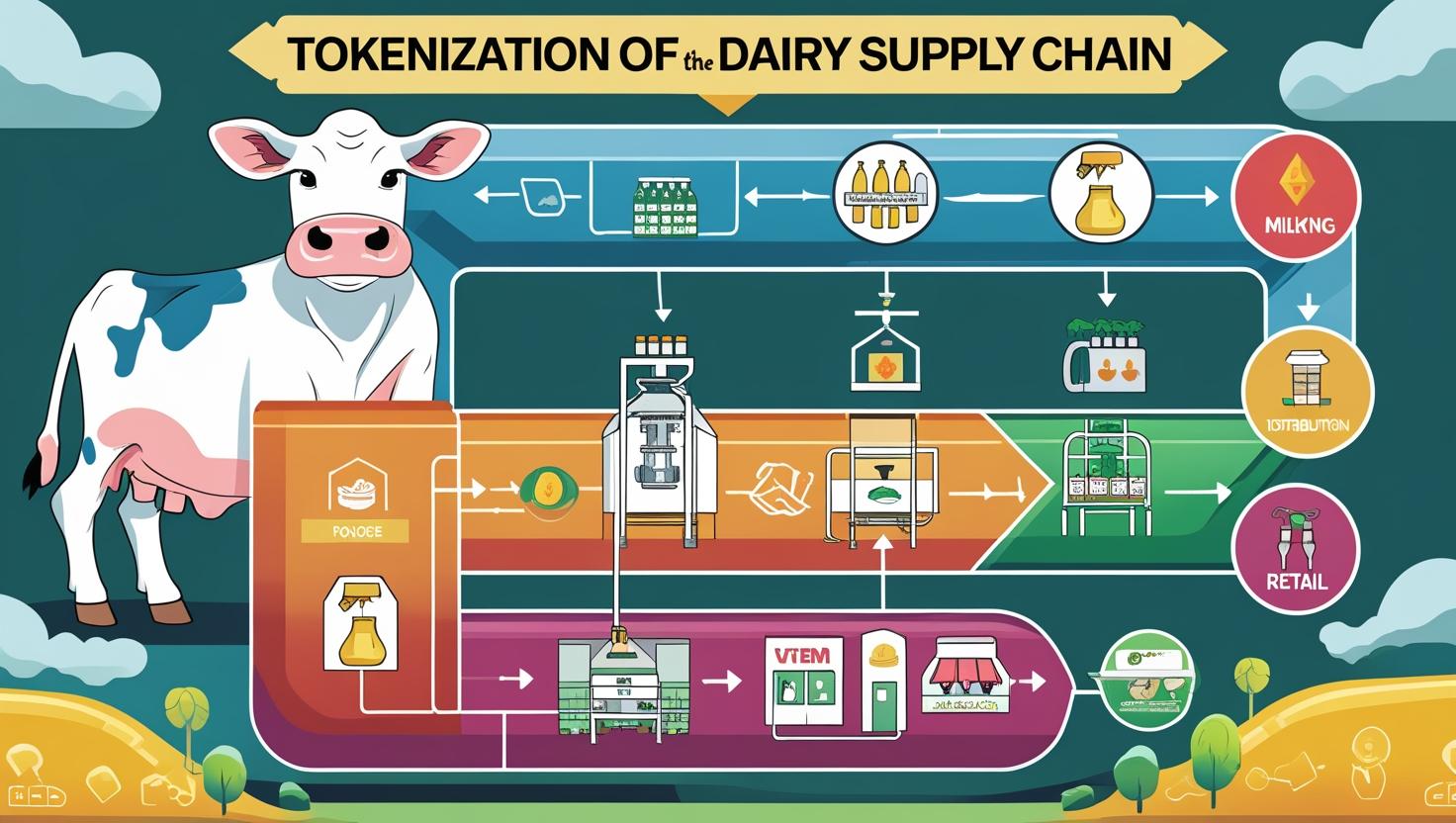
Start by identifying the specific user behavior you want to reward. This could be a daily login, a purchase, or a physical location check-in. Define the exact condition that signals a state change. This logic lives in your smart contract or off-chain indexer, serving as the "if" statement for your dynamic NFT.
Smart contracts cannot natively read off-chain data, so you need an oracle to bridge the gap. Use a reliable oracle network to fetch the latest user data and deliver it to the blockchain. This ensures the token's state updates are based on verified, real-time information rather than stale or local data.
Once the oracle delivers the data, update the NFT's metadata. You can store this on-chain for maximum immutability, or use a decentralized storage solution like IPFS for larger data sets. Ensure the metadata URI is updated so that any wallet or marketplace displaying the token reflects the new state immediately.
Finally, ensure the user's wallet and any frontend interfaces reflect the change. Some wallets automatically refresh metadata, but others may require a manual refresh or a push notification. Test the end-to-end flow to confirm the user sees their progress or rewards update in real time.
This architecture transforms the NFT from a collectible into a functional record of engagement. By anchoring the token to verified data, you create a persistent, verifiable history of user activity that cannot be faked or easily altered.
Ensure regulatory compliance
Tokenized engagement sits at the intersection of marketing innovation and financial regulation. When loyalty points or digital rewards are tokenized, they often cross the threshold from simple customer incentives into securities or money transmission activities. Ignoring this distinction invites severe penalties, including asset freezes and enforcement actions. You must treat regulatory compliance not as an afterthought, but as the foundational layer of your token architecture.
Classify the token correctly
The first step is determining whether your token constitutes a security. The U.S. Securities and Exchange Commission (SEC) has made it clear that a tokenized security is a financial instrument enumerated under federal securities laws, regardless of the underlying technology [[src-serp-7]]. If your token offers an expectation of profit derived from the efforts of others, it likely falls under the Howey Test. Misclassifying a loyalty token as a non-security can lead to unregistered securities offerings, which carry significant legal risk. Consult the SEC’s official guidance to evaluate your token’s economic substance.
Implement KYC/AML protocols
Even if your token is not a security, it may still trigger anti-money laundering (AML) obligations. Regulatory bodies globally are scrutinizing tokenized loyalty programs for potential illicit finance risks. You must integrate Know Your Customer (KYC) checks at the onboarding stage. This involves verifying user identities against government databases and screening for sanctions lists. Without robust identity verification, your platform becomes a vector for money laundering, exposing your business to regulatory shutdowns.
Structure for consumer protection
Beyond securities and AML, you must address consumer protection laws. Tokenized rewards often involve smart contracts that execute automatically. If these contracts contain bugs or unexpected behaviors, users can lose value permanently. Regulatory frameworks increasingly demand transparency in how these digital assets are managed. Ensure your terms of service clearly outline redemption rights, expiration policies, and the technical risks involved. This transparency builds trust and reduces liability.
Warning: Consult legal counsel early. The SEC and global regulators are scrutinizing tokenized loyalty programs for unregistered securities offerings.
Monitor evolving regulations
Regulatory landscapes shift rapidly. What is compliant today may be prohibited tomorrow. Stay informed about updates from the SEC, FINRA, and international bodies like the FCA or MiCA regulators in the EU. Regular audits of your compliance framework are essential. Engage with legal experts who specialize in digital assets to ensure your tokenized engagement model remains within legal boundaries. Proactive compliance is far less costly than reactive litigation.
Launch and measure retention
Tokenized engagement requires a shift from acquisition to active usage. Once the token is live, your focus must be on validating whether the utility drives real behavior. Use on-chain analytics to track holder activity and retention, ensuring the token serves as a functional asset rather than a speculative holding.
Start by auditing your smart contract integration. Verify that wallet interactions are seamless and that rewards are distributed correctly. A broken redemption flow kills engagement faster than poor marketing. Test these flows with a small group of beta users before opening the floodgates.
Monitor key metrics daily. Track unique active wallets, transaction frequency, and token velocity. High velocity with low retention suggests speculation; low velocity with high retention suggests utility. Adjust incentives based on this data to keep the community engaged long-term.
Common questions about tokenized loyalty
Tokenized loyalty programs are shifting from experimental pilots to regulated infrastructure. As 2026 progresses, the focus moves beyond simple reward points to on-chain asset ownership and interoperable engagement. Below are answers to the most frequent questions regarding the 2026 crypto landscape and tokenization viability.
No comments yet. Be the first to share your thoughts!