
Tokenized engagement defined
Tokenized engagement means replacing points or badges with blockchain-based tokens that have measurable value and transferability. Instead of earning loyalty points that vanish if a program shuts down, customers hold digital assets they can trade, spend, or redeem across participating partners. This shift turns passive participation into an active economy where every interaction has a clear, auditable worth.
The core difference lies in ownership and liquidity. Traditional loyalty programs keep points locked in a corporate silo. Tokenized systems put control in the user’s wallet, allowing them to move value between brands or sell it on secondary markets. This liquidity increases the perceived value of the reward, driving higher engagement rates because customers see immediate, tangible benefits for their attention and data.
However, this model introduces complexity. Brands must manage token supply, prevent speculation from undermining utility, and ensure compliance with financial regulations. Customers need digital wallets and a basic understanding of crypto transactions, which can create friction for non-technical users. The tradeoff is clear: greater value and transparency for users, but higher operational and regulatory burdens for brands implementing the system.
Tokenized engagement choices that change the plan
Moving from traditional point systems to tokenized loyalty introduces specific operational and behavioral risks. Before integrating AI-driven token rewards, brands must evaluate how these assets interact with customer psychology and regulatory frameworks. The following comparison breaks down the primary tradeoffs between tokenized engagement and conventional loyalty models.
| Factor | Tokenized Engagement | Traditional Points |
|---|---|---|
| Transferability | High liquidity; tokens can be traded, gifted, or pooled across platforms | Locked to a single brand; non-transferable and non-fungible |
| Valuation Stability | Subject to market volatility; value fluctuates with crypto or utility token prices | Fixed internal value; stable and predictable for accounting |
| Regulatory Compliance | May trigger securities laws or KYC/AML requirements depending on structure | Generally exempt from financial securities regulations |
| Behavioral Risk | Can incentivize low-quality engagement or misinformation sharing for quick rewards | Encourages sustained purchasing habits with lower fraud risk |
| Technical Friction | Requires wallet management and gas fees; higher barrier for non-crypto users | Instant redemption via account balance; zero technical friction |
The most significant downside of tokenization is the potential for unintended behavioral incentives. Research indicates that token rewards can inadvertently encourage users to share misinformation or engage in low-value activities solely for the financial gain of the token [src-serp-1]. Unlike traditional points, which are tied to purchases, tokens often reward any on-chain interaction, creating a risk of "reward farming" rather than genuine brand loyalty.
Additionally, the volatility of token value creates a complex customer experience. A reward that seems valuable today may lose half its worth tomorrow if the underlying asset price drops. This instability can erode trust if customers feel they are being paid in diminishing currency. Traditional points, while less exciting, offer a stable promise of future value that does not require market monitoring.
Choosing the Right Tokenized Loyalty Approach
Building a tokenized loyalty program requires aligning your technical infrastructure with your customer engagement goals. The choice between open blockchain networks, private ledgers, or centralized token systems determines how much control you retain and how easily customers can participate. Each model offers distinct trade-offs in cost, transparency, and regulatory compliance.

Start by mapping which customer data points require tokenization and where they reside. If your program handles sensitive personal information, a private or permissioned ledger may offer the necessary control to comply with GDPR or CCPA without exposing data to public networks. This step ensures legal compliance before any technical implementation begins.
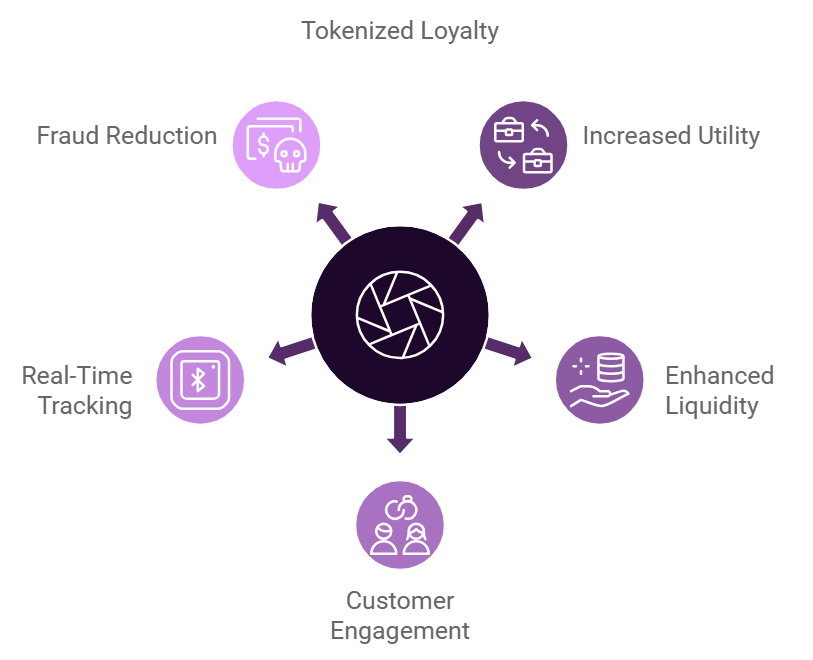
Decide whether to build on a public chain like Ethereum or Polygon, or use a private solution like Hyperledger. Public chains offer transparency and interoperability but may face higher transaction fees and slower speeds during peak times. Private ledgers provide faster processing and lower costs but limit the network effects that make tokens valuable to users.

Define what the token represents and how it can be earned or spent. Tokens should offer clear value, such as exclusive discounts, early access to products, or governance rights in brand decisions. Avoid creating complex utility that confuses users; simple, tangible rewards drive higher engagement and retention rates.
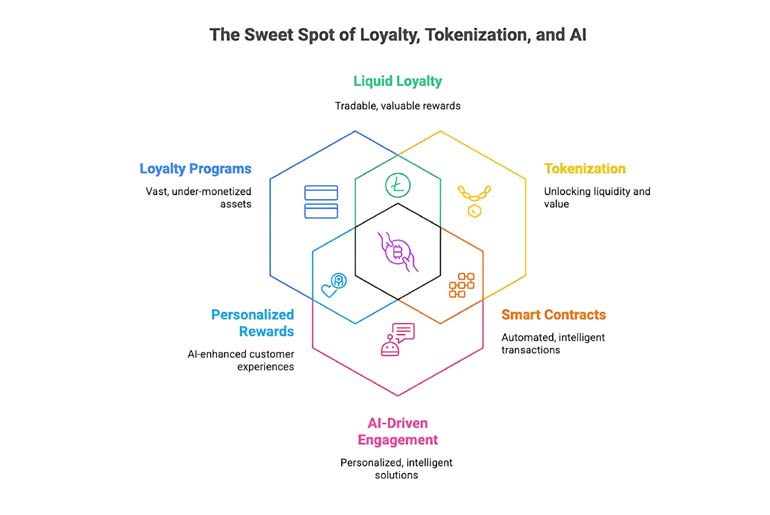
Use AI to analyze token usage patterns and personalize rewards in real time. Machine learning models can predict which customers are likely to churn and trigger targeted token-based incentives to retain them. This dynamic approach transforms static loyalty points into adaptive engagement tools that respond to individual behavior.
Begin with a small group of loyal customers to test the token system before a full rollout. Track key metrics such as token redemption rates, customer retention, and engagement frequency. Use these insights to refine the token mechanics and communication strategy before scaling to the broader audience.
Spotting Weak Tokenized Loyalty Options
AI-driven tokenized engagement sounds efficient, but the implementation often hides significant risks. When brands treat loyalty tokens as simple digital stamps, they ignore the behavioral economics behind real ownership. Understanding where these systems fail helps you avoid programs that offer little value or high friction.
Misleading Reward Transparency
Many programs claim to offer "AI-curated" rewards but deliver static, low-value tokens. Research indicates that token rewards can inadvertently increase the willingness to share misinformation if the engagement mechanics are poorly designed (Alizadeh, 2023). If the AI cannot distinguish between genuine brand affinity and token-chasing, the program dilutes its own community trust.
Hidden Friction Costs
Tokenization often introduces unnecessary complexity for the average consumer. If users must navigate multiple wallets or gas fees to redeem a simple coffee discount, engagement drops. Successful launches rely on community validation to catch these issues early (Onchain Magazine). If the onboarding process feels like a tech tutorial rather than a loyalty perk, the program is likely a weak option.
The "Person Token" Myth
Some platforms explore tokenizing individuals, suggesting that personal data or identity could be traded. This is a dangerous misconception. Tokenization applies to assets or rights, not human beings. Programs promising to "tokenize your loyalty" are often using buzzwords to mask data extraction practices. Always verify what the token actually represents.
Tokenized engagement: what to check next
What does "tokenized" mean?
In customer loyalty, tokenization converts engagement actions—like purchases, reviews, or social shares—into digital assets on a blockchain. These tokens act as programmable rewards that customers can track, trade, or redeem. Unlike traditional points, they offer transparency and often interoperability across different brand ecosystems.
What is the downside of tokenization?
The primary risks are regulatory uncertainty and technical complexity. Brands must navigate evolving securities laws, especially if tokens have speculative value. Additionally, the environmental impact of certain blockchains and the user friction of managing digital wallets can deter mainstream adoption, limiting the strategy to crypto-native audiences.
Is XRP part of tokenization?
XRP is a digital asset on the XRP Ledger, not a tokenization protocol itself. While the ledger supports token creation, XRP primarily serves as a bridge currency for cross-border payments. Tokenization refers to the broader practice of representing real-world assets or engagement metrics as digital tokens on various blockchain networks.
Can you tokenize a person?
Directly tokenizing a human identity raises severe ethical and legal concerns, particularly under privacy laws like GDPR. While "human-in-the-loop" verification can authenticate users before issuing tokens, creating a tradeable token representing a person violates dignity and anti-trafficking standards. Loyalty programs focus on tokenizing behavior, not identity.
No comments yet. Be the first to share your thoughts!